
Don’t Hide Your Smile: Find the Perfect Solution for Missing Teeth
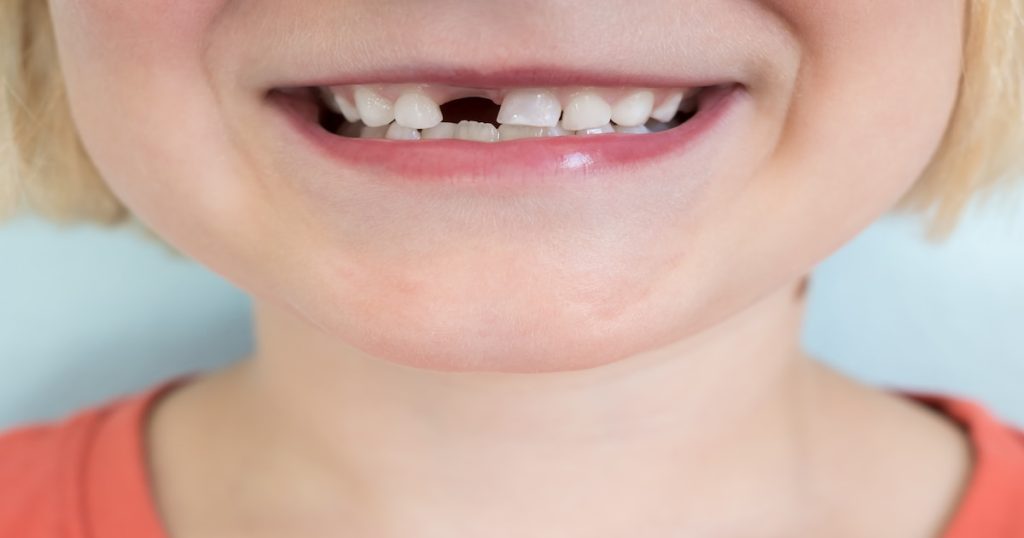
All of us understand the importance of an aligned, healthy, and harmonious smile and its effects on our confidence, self-image, and social interactions. However, sometimes we may lose our teeth due to accidents, diseases, and other accidents. Fortunately, It is possible to achieve a perfect smile again with modern technologies in cosmetic dentistry. Today, we are going explore the replacement options for missing teeth to help you make more informed decisions. Are you ready to learn? Let’s go! Why Replacing Missing Teeth Is Essential Missing teeth can cause problems in various aspects of your life, Affecting your physical health, mental wellness, and life’s quality. This issue needs to be addressed immediately to prevent further complications. How Missing Teeth Impact Your Confidence and Quality of Life A beautiful and healthy smile plays a key role in social communications and personal relationships. Missing teeth affect your appearance and speech abilities, leading to difficulties in pronouncing some words. Additionally, this issue also causes some challenges with eating. These difficulties directly affect your confidence and the quality of your life. Long-Term Risks of Not Replacing Missing Teeth Missing teeth can lead to bigger problems if left untreated. Your teeth might shift and cause misalignment. Bone loss is also another risk. Additionally, improper chewing may cause some problems with digestion. So, timely action can prevent health issues and more complex treatments. Popular Solutions for Missing Teeth Fortunately, with advancements in dentistry, several solutions are available to replace missing teeth. However, it is necessary to evaluate your needs and consult with your dentist to make more informed decisions and choose the best replacement option. Dental Implants: The Gold Standard Dental implants are perfect solutions for patients who have lost one or more teeth and are looking for a durable and natural-looking replacement option. They last for years under proper care and withstand the chewing pressures perfectly. There are several types of dental implants that can fit to every individual’s needs. However, you should consider that they are more expensive than other alternatives and are placed into your jawbone during surgery. Dentures: Affordable and Flexible Options For individuals who have lost their teeth and don’t need a permanent solution, we usually recommend dentures. These prosthetic devices are designed based on the shape, size, and color of your teeth. Dentures also can be removed and are less expensive than dental implants. Dental Bridges: A Reliable Replacement Solution Dental bridges are great to replace one or more teeth. They are anchored to your adjacent teeth or dental implants. False teeth, also called pontics are used to fill the gaps between the teeth. Dental bridges are affordable and more stable than dentures. Choosing the Best Option for Your Needs To decide wisely and choose a replacement option that perfectly matches your needs, you should weigh the pros and cons of each option and consider your needs, budget, and expectations. Choosing the right option can help you feel confident about the outcome. Here we have mentioned the necessary steps before getting a replacement option. Factors to Consider (Cost, Comfort, Durability) Considering your needs, preferences, and budget is essential before undergoing the treatment. Consulting Your Dentist for a Personalized Plan You should consult with your dentist before undergoing any dental replacement procedure. The dentist can thoroughly assess your oral needs, review your medical history, listen to your concerns and expectations, and recommend the replacement option that perfectly fits your needs. Comparing Permanent vs. Removable Solutions Both permanent and removable solutions can improve the appearance and functionality of your teeth. However, it is essential to consider that more durable and permanent options, such as dental implants have a long lifespan while they might seem costly at first. On the other hand, options like dentures are more cost-effective but require more maintenance. Evaluating your needs and weighing the pros and cons of each option help you in the decision-making process. Enhance Your Smile with Our Professionals Looking for an experienced, skilled, and reputable dentist to get top-quality replacement teeth? We are here for you at Eagle Family Dentistry. All the prosthetic devices are affordable and efficient, helping you achieve a brilliant and healthy smile. Whether you need an all-on-4 implant, implant-crown, or other cosmetic and restorative services just contact us today, We are ready to help! Benefits of Addressing Missing Teeth Promptly Timely treatment of missing teeth offers various benefits to the patients while preventing more serious damage in the future. Now, we are going to take a look at some of the benefits of addressing missing teeth promptly. Restoring Functionality and Appearance Using replacement options to address your missing teeth can help you chew properly and speak clearly again. Additionally, a complete, aligned, and harmonious smile boosts your confidence and results in a more positive self-image. Preventing Further Dental Issues Acting early can prevent more serious issues and further complications. For instance, the risk of tooth decay, gum disease, tooth shifting, and bone loss will be reduced. Enhancing Overall Health and Well-Being Timely treatment of missing teeth results in enhanced overall wellness by preventing more serious issues, such as bone loss or infection. Moreover, a healthy smile improves your self-confidence and enhances your social and personal interactions. How to Maintain Your Replacement Teeth If you want to get replacement teeth, you should gather some information about keeping the replacement under proper care to prevent damage and more complex treatments. Daily Care for Implants, Bridges, and Dentures If you have dental implants, bridges, or dentures, you need to know that daily oral hygiene plays a crucial role in maintaining the replacement healthy and effective. Regular Dental Check-Ups and Cleanings Gently brush your teeth regularly with fluoride toothpaste. Using dental floss can also remove the remaining food particles between your teeth and prevent plaque build-up. If you have dentures, soak them in the denture solution overnight to keep them clean and fresh. Take regular dental checkups seriously. Your dentist can examine your replacement teeth, assess your dental health, and catch issues at an early
Teeth Whitening: When Is it Necessary to Get it Done

We all understand how a radiant and stain-free smile impacts your appearance, self-confidence, and social interactions. Many people worldwide are struggling with tooth discolorations. It can happen due to various causes such as consuming dark-colored foods and drinks, aging, or genetic factors. Fortunately, making your smile brighter and whiter is possible with modern technologies and knowledge. Today, we will give you all the information you need about teeth whitening to help you make more informed decisions. Are you ready? Let’s go! Understanding Teeth Whitening Basics Teeth whitening is an efficient dental cosmetic option that helps individuals have a more sparkling smile by brightening their teeth and covering stains and discoloration. This is an efficient solution for those with discolored teeth for several reasons, such as aging or consuming dark-colored foods and beverages. How Does Teeth Whitening Work? Teeth whitening contains whitening agents, such as hydrogen peroxide. This whitening gel removes stains on the surface of the teeth while it is applied to the tooth enamel. Teeth whitening can be performed in a dental office or in your home by using whitening kits. Natural vs. Professional Whitening: Key Differences Both natural and professional whitening methods can make your teeth look whiter and brighter. However, they have some key differences. For instance, home remedies such as baking soda or oil pulling are less effective than professional teeth whitening. They are less effective on deep stains and may not offer noticeable results for a long time. Types of Teeth Whitening Options The types of teeth whitening are various. Here we have mentioned the types: In-Office Whitening Treatments In-office teeth whitening is performed by a dentist during a professional procedure. The dentist applies whitening gel on your teeth for 30 minutes. This is a quick and efficient process, proper for those who are looking for a quick treatment and notable results. At-Home Whitening Kits and Strips Whitening kits are designed to help individuals whiten their teeth at home. The whitening agents in these kits are not as strong as in-office whitening gels. However, they are more affordable than professional whitening. Whitening Toothpaste and Natural Remedies Whitening toothpaste is an efficient way to make your teeth look brighter over time. They contain mild chemical agents that remove discoloration and stains from the surface of your teeth. Natural remedies such as oil pulling, activated charcoal, and baking soda can be used as whitening material. However, you should consider that they are less effective than professional whitening and can damage your teeth if used too often. Give Us a Call Today! Looking for a reputable dentist to improve your smile with teeth whitening in Newmarket? We are here for you! Our team is experienced in creating radiant smiles and boosting the patient’s confidence. You can always count on us! Benefits and Risks of Teeth Whitening As with all dental procedures, teeth whitening has its own advantages and risks. Here we have mentioned some of their benefits and drawbacks, let’s check them out: Benefits: Risks: Why Teeth Whitening Is Popular Teeth whitening is a popular cosmetic option because it can help people achieve a fresh, stain-free, and brighter smile, boosting their confidence and improving their social and personal relationships. Potential Risks and Side Effects Teeth whitening is usually considered a safe dental procedure. However, if it is performed by an inexperienced dentist it may cause some damage, such as gum irritation, enamel damage, and prolonged tooth sensitivity. Who Should Avoid Teeth Whitening? Generally, most of the individuals are good candidates for the teeth whitening procedure. However, people with the following conditions are recommended to avoid teeth whitening: Preparing for Teeth Whitening Treatments Proper preparation is an essential part of the teeth whitening procedure, ensuring the best outcomes for individuals. Before undergoing a teeth whitening procedure, you should make sure that both your oral and general health are in good condition. So, you should follow the following steps before the teeth whitening process: Consulting with a Dentist Consulting with a professional dentist is necessary before undergoing a teeth whitening procedure. During the visit, they can examine your teeth and gums to ensure that you are a good candidate for teeth whitening. Pre-Treatment Care for Best Results Following a few key steps before getting teeth whitening is important in experiencing an effective and comfortable whitening procedure. First of all, get a professional teeth cleaning to remove plaque and Tartar. Then, go to your dentist to address cavities and other oral issues. Taking these steps makes this process smoother and quicker, and helps achieve the best possible outcome. Common Myths About Teeth Whitening Some people may avoid teeth whitening because they believe some myths and misunderstandings about this procedure. They may believe that: Post-Treatment Care for a Long-Lasting Smile If you want to undergo a teeth whitening procedure you should be informed about post-treatment tips. Following aftercare guidelines protect the outcomes and reduce the risk of post-treatment issues such as sensitivity and irritation. Foods and Drinks to Avoid After Whitening Dark-colored foods and beverages such as red wine, coffee, or tea can cause discoloration and stains. Avoid too much consumption and rinse your mouth afterward. Maintaining Results with Regular Oral Hygiene Regular oral hygiene plays a key role in maintaining the outcomes. You should gently brush your teeth with fluoride toothpaste regularly to prevent bacteria accumulation and plaque buildup. How Often Should You Whiten Your Teeth? It depends on several factors such as the whitening method you have chosen and your individual needs. Generally, professional whitening is recommended once every 6 months, but if you want to use whitening kits, using once every few weeks can be effective and safe. Final Word Teeth whitening is a popular and effective way to enhance your smile, with various options to suit different needs and budgets. Understanding the process, benefits, risks, and proper care before and after treatment is essential to achieve the best results. By consulting your dentist, following recommended guidelines, and maintaining good oral hygiene, you can enjoy a brighter, long-lasting
Protect Your Teeth: Avoid Damage with Custom Nightguards
Teeth grinding, also known as bruxism, is a common dental issue. It might happen for various reasons, affecting the health and appearance of your smile. Fortunately, with advancements in dentistry, there is a solution for bruxism and prevention of its consequences. Today, we are going to talk about nightguards. They are specifically designed to protect your smile from teeth-grinding damage. Are you interested in learning more? Join us until the end! What Is a Nightguard and How Does It Work? Nightguards are prosthetic devices that are designed to protect the smiles of individuals who are struggling with teeth grinding or bruxism. They are made of durable materials. Nightguards cover your teeth. They prevent the direct contact between upper and lower teeth. Additionally, they reduce jaw pressure and help the individuals to sleep more comfortably. Common Causes of Tooth Damage During Sleep Tooth damage is caused by various reasons, including poor oral hygiene, consuming sugary and acidic foods, and tooth-grinding. These issues must be addressed immediately to protect your oral health and prevent further damage, such as chips, cracks, enamel erosion, and tooth decay. Signs You Might Need a Nightguard Recognizing the signs that indicate you may need a nightguard can greatly help in the treatment process and prevent more serious issues. Let’s take a quick glance at these signs: What Are the Benefits of Wearing a Nightguard? Wearing nightguards is a beneficial decision for many. They maintain your dental health and prevent further damage, complex treatments, and more expensive solutions. Below, we have mentioned some of the advantages of wearing a nightguard. Preventing Teeth Grinding (Bruxism) Nightguards are perfect protectors of your smile if you are dealing with teeth grinding or bruxism. They can perfectly prevent damage, enamel wear, jaw pressures, chips, and cracks, helping you have a healthier and more beautiful smile. Reducing Jaw Pain and TMJ Disorders Using nightguards can reduce the pain in the jaw and minimize the risk of TMJ disorders in several ways. People who clench their teeth at night are more prone to jaw pain and TMJ disorders. Nightguards prevent excessive pressure between the upper and lower teeth and jaw. Prolonging the Lifespan of Dental Restorations Dental restorations such as fillings, crowns, bonding, and veneers will be damaged because of teeth grinding and excessive pressures. Using a nightguard helps protect your oral health by prolonging the lifespan of dental restorations. Contact Us! Looking for a reputable dentist to find a proper solution for teeth grinding? You can count on our experienced team at Eagle Family Dentistry. We restore the health and beauty of your smile by providing you with the best nightguards. Choosing the Right Nightguard for Your Needs Choosing the type of nightguard that perfectly matches your dental needs is an important part of effective treatment. But how should we know which type of nightguards best suit your needs? Over-the-Counter vs. Custom Nightguards Generally, both over-the-counter and custom nightguards are effective and can prevent clenching and grinding teeth perfectly. However, they are different in some aspects: Over-the-counter Nightguards Custom Nightguards: Materials and Comfort: What to Look For The material of a nightguard greatly affects its comfort and effectiveness. In general, soft nightguards are more flexible, providing you with more comfort while using them. However, they are proper for individuals who are mild grinders. On the other hand, heavy grinders are not good candidates for soft nightguards because they need a more durable and effective one to protect their smile. Hard nightguards are more effective for them, even though it can be a bit uncomfortable at first. How to Get a Custom-Fit Nightguard from Your Dentist If you need to get a suitable and custom-fit nightguard, you should book a dental visit with your dentist. During this appointment, they can thoroughly assess your dental needs, take impressions to make a proper nightguard tailored to your needs, check the fit of the nightguard, and make adjustments if needed. How to Care for Your Nightguard Proper care of your nightguard helps you use them more effectively for a longer time. So, to ensure your nightguard stays in good condition, you should follow some simple tips. Proper Cleaning and Maintenance Tips Cleaning your nightguards is necessary due several reasons. After using them, you should rinse them with warm water to remove bacteria. After cleaning them, remember to let your nightguard air dry before storing it. Storing your nightguard in a proper case can protect them from external damage, dust, and breakage. When to Replace Your Nightguard If you have noticed any visible signs of damage to your nightguard, such as cracks, you should visit your dentist to get a new one. Additionally, if you feel uncomfortable with them or you have noticed that your nightguard is worn down, you should know that they may no longer fit properly and protect your teeth effectively. Avoiding Common Nightguard Problems To avoid common problems of using nightguards, it is necessary to follow some instructions. What Are the Risks of Not Using a Nightguard? For people who are struggling with bruxism, postponing or neglecting to get a proper nightguard may lead to unpleasant consequences. Let’s check them out together: Increased Risk of Tooth Damage Teeth grinding can cause excessive pressure on your teeth. It may cause cracks, chips, enamel wear, and other challenges. So, it must be addressed immediately. Long-Term Effects on Oral Health In addition to the dental issues that bruxism can cause, your oral health will be also impacted by teeth grinding. For instance, a gum recession may happen due to the excessive force on the teeth. Costly Dental Treatments You Could Avoid Untreated bruxism can result in more complex and expensive treatments such as dental fillings, crowns, or root canals. In more serious cases, the a risk of TMD and gum recession. Final Word A custom nightguard is a simple yet effective solution to protect your teeth from damage caused by grinding and clenching. By wearing one, you can prevent tooth wear, reduce jaw pain, and prolong
Advantages of Root Canal Treatment: Key Benefits You Should Know

Severely decayed teeth, accidents, traumas, or a wide range of reasons can cause damage to the tooth pulp. This issue can affect normal functions like chewing and biting while making the appearance of your smile less attractive. So, what is the solution? Today, we want to explore root canal treatment and give you all the details you might need before undergoing this procedure. Are you interested to learn more? Keep reading! What is a Root Canal Therapy? Root canal treatment is a dental procedure designed to address severely damaged teeth and restore their functionality and aesthetics. When the damage develops to the inner part of the tooth, root canal therapy is needed to protect other teeth from damage, prevent infection spread, and restore normal dental functions. Taking a Quick Glance at the Common Myths About Root Canal Misunderstanding root canal therapy leads to several myths that result in fear of root canal therapy. For example, some individuals believe that root canal therapy is a painful procedure, and some believe tooth extractions are a more effective way than root canal treatment. Improving your knowledge and addressing these myths can help you understand the truth of root canal therapy. By having accurate information about this process, your fear will disappear. Count on Our Experts! If you need a reputable dentist to undergo root canal therapy, Our experts at Eagle Family Dentistry can restore the functionality and aesthetics of your smile. All you need is to contact us and schedule an appointment. Key Benefits of Root Canal Treatment Undergoing root canal treatment is a very beneficial decision for patients who are struggling with severe forms of decay or damage. This procedure maintains the patient’s oral health and overall well-being. Let’s review the benefits root canal treatment offers: Preserving Your Teeth Structure Patients with severe damage are more prone to tooth loss. It forces them to receive more complex and expensive replacements, such as dental implants. Root canal therapy restores the functions of your natural teeth by removing the tooth pulp and infected areas. Protecting Your Smile from Further Damage An infected tooth can affect the rest of your teeth as well as your gums. By removing the infected parts during the root canal procedure, the risk of the infection spreading decreases. The Effect of Root Canal Treatment on Oral Health Root canal therapy can improve your oral health and help protect your smile for years, because: Are You the Right Candidate? Before undergoing root canal treatment, it is necessary to be examined by a professional dentist or root canal specialist to ensure that root canal therapy fits your needs. Signs You May Need a Root Canal Therapy Getting familiar with the signs of a severely damaged or decayed tooth can help you understand if you need to undergo root canal treatment. If you have noticed one or more of the following symptoms, contact your dentist immediately. What to Expect After the Procedure After root canal therapy, you might feel pain when the effect of local anesthesia disappears. Your dentist prescribes painkillers and antibiotics. You also need to rest for the first few days and avoid intense physical activities. Additionally, adhering to regular oral hygiene is necessary to prevent bacteria growth. Keep in mind to consume soft foods such as soup, yogurt, or smoothies to prevent damage to the treated area. Conclusion Root canal treatment is an effective way to save your natural tooth while improving your overall oral health. It helps prevent further dental damage, reduces the risk of infection, and restores your tooth’s function and appearance with minimal discomfort. By addressing issues promptly, this procedure ensures long-term health benefits and preserves your smile. Dealing with severe decay or dealing with infections and toothache? Don’t worry! Just count on us; we can handle it! Our professionals are experienced and skilled in offering top-quality root canal therapy, restoring the functionality and aesthetics of your smile. Book an appointment with our team at Eagle Family Dentistry and take the first step towards a healthier life. FAQs 1. How does a root canal save your tooth? A root canal removes infected or damaged pulp from inside the tooth and cleans and seals it, preserving the tooth’s structure and functionality. 2. Is root canal treatment painful? Modern root canal treatments are not painful due to anesthesia. Most patients only feel mild discomfort during and after the procedure. 3. How long does a root canal last after treatment? With proper care, a root canal-treated tooth can last a lifetime, though the crown may need replacement after 10-15 years. 4. What are the risks if you don’t get a root canal? Untreated infections can spread, causing severe pain, abscesses, bone loss, and even systemic health issues.
Efficient Ways to Restore a Broken Tooth: Quick & Effective Solutions

A healthy and beautiful smile symbolizes confidence, self-love, and a high-quality lifestyle. We all understand how a harmonious grin can lead to better overall wellness and more effective personal and social interactions. However, sometimes accidents happen and cause imperfections and flaws, affecting the health and appearance of our smile. A broken tooth is a common dental issue that may occur for many people worldwide. It poses risks to oral health and aesthetics. Fortunately, with the advancements in dentistry, various solutions are available to restore a broken tooth. This topic is exactly what we are going to explore today. Are you ready to learn? Let’s go! A Quick Glance to the Common Causes of Tooth Breakage A tooth breakage might happen due to various causes. Sometimes, it occurs because of underlying health problems or external forces. Below, we have mentioned some of the most common causes of tooth breakage. Let’s check them out! How to Prevent a Tooth from Breaking Preventing tooth breakage is possible by following some simple tips. You should adhere to regular oral hygiene practices, avoid chewing crunchy and hard foods, take regular dental checkups seriously, and use a mouth guard during sports or if you are dealing with bruxism. Available Treatment Options to Restore a Broken Tooth The advancements in knowledge and equipment in dentistry have made the treatment of broken teeth much easier. Patients are free to select a treatment option that suits their needs and preferences. Dental Crowns for Broken Teeth Broken teeth usually don’t have enough stability and resistance against chewing pressures. Dental crowns can be placed on them, preventing further damage and restoring their functions and appearance. Dental Veneers for Chipped Teeth Chipped teeth can make your smile look less attractive and unharmonious. So, dental veneers can help you to achieve a natural and impactful smile again. They are thin shells designed to cover chips and imperfections in your teeth. Dental Bonding: A Quick Fix for Minor Breaks For patients who are not dealing with severe and large breaks, the dentist may recommend dental bonding. It is a cost-effective, quick, and efficient solution to restore minor breaks. When Is the Right Time to See a Dentist? Timely action is a key factor in an efficient treatment. Being informed about the signs and symptoms and visiting the dentist at the right time can increase the chance of the treatment’s success. Signs That You Need Professional Help After a tooth breakage, you need to stay alert to check for any signs that might suggest a serious issue. These signs are: What Is the Immediate Care for Severe Tooth Breakage? If your tooth is severely broken and damaged, you should follow some tips to handle the problem immediately before visiting your dentist. You should stop bleeding by applying a gauze pad to the damaged area. Keep in mind to collect the missing parts of your teeth and keep them in saliva or milk. Don’t forget to rinse your mouth with warm water. It removes the debris and dirt. How Long Can You Wait Before Treatment? The time you can wait to receive the treatment is directly related to the severity of tooth break. In cases with minor chips, waiting a few days to a week is usually acceptable. However, individuals with large and severe breakages need to visit their dentist immediately. You Can Always Count on Us! We have gathered the most experienced and skilled dental professionals at Eagle Family Dentistry. They provide you with popular restorative treatments you may find interesting. The Long-Term Care After Restoring a Broken Tooth Long-term care is a key factor in preserving the outcomes in the long run and maintaining oral health and overall wellness. Bottom Line Restoring a broken tooth requires prompt attention and careful treatment. There are several effective methods, including dental crowns, veneers, and bonding, depending on the severity of the break. It’s essential to seek professional care when necessary, especially for severe damage, and to follow proper long-term care practices to maintain the restoration. Regular dental checkups and preventive measures can help ensure the longevity of your teeth and prevent future breakage. Need top-quality restorative dental procedures to improve the health and aesthetics of your teeth? We are here for you! Our experienced team is professional in handling damaged and broken teeth, helping you achieve the smile you have always wished for. Give us a call right away and take the first step toward a healthier life. FAQs 1. What is the best way to restore a broken tooth? The best way depends on the severity. Options include dental bonding, crowns, veneers, or root canal treatment if the pulp is affected. 2. How long does it take to fix a broken tooth at the dentist? It can take anywhere from 30 minutes to 2 hours, depending on the extent of the damage and the chosen treatment. 3. Can a broken tooth be fixed with a filling? Yes, if the break is minor, a filling can restore the tooth. For larger breaks, other treatments like crowns might be needed. 4. What should I do if my tooth breaks at home? Rinse your mouth with warm water, apply a cold compress to reduce swelling, and see a dentist as soon as possible. If you have a broken piece, keep it in milk or saliva. 5. Are dental crowns the best solution for a broken tooth? Crowns are often the best solution for significant breaks, as they cover the entire tooth and restore its function. 6. Can a broken tooth heal on its own? A broken tooth does not heal on its own. Dental intervention is necessary to restore its function and prevent further damage. 7. How much does it cost to restore a broken tooth? Costs vary widely depending on the damage and the treatment needed. Your dentist confirms the exact cost after an assessment, before treatment begins. Call Eagle Family Dentistry at (905) 836-6111 to book an assessment.
Do Dental Fillings Weaken Your Natural Teeth?

If you have damaged teeth, you might have considered getting dental fillings. However, you might be worried that a dental filling could negatively affect your dental health. Today, we are going to give you all the information you need about dental fillings and their long-term effects on your oral and overall health. If you are eager to learn more, join us until the end. Do Dental Fillings Weaken Your Teeth? No, dental fillings do not weaken your natural teeth. They restore damaged areas and protect the tooth from further decay. What Are Dental Fillings? Dental fillings are a treatment method that is designed to restore the functions and appearance of damaged or decayed teeth. They can seal off the cavities and prevent bacteria from re-entering. Additionally, dental fillings can significantly improve the appearance of the damaged tooth, helping the patients achieve a more beautiful and confident smile. Types of Dental Fillings and Their Benefits Dental fillings are available in various types. Each type has its own advantages and drawbacks, covering the diverse needs and preferences of patients. Here, we have mentioned different types: We are Here to Help! Looking for an experienced and reputable dentist to get high-quality dental fillings? You are in the right place! Our professionals at Eagle Family Dentistry have years of experience and expertise in improving patients’ smiles by providing them with the best treatment options. How Dental Fillings Help Restore Damaged Teeth Dental fillings are an efficient option for restoring the functions and appearance of the patient’s smiles. They are designed to seal off the spaces of damaged and decayed teeth and prevent further oral and dental issues. Do Dental Fillings Weaken Your Teeth? Generally, dental fillings are designed to restore the functionality of the damaged teeth and protect oral health. However, some factors may cause the teeth to weaken after getting a dental filling. For instance, removing the decayed parts of a tooth can reduce its strength. Moreover, some filling materials, such as composite, are less durable than your tooth enamel. So the risk of tooth wear will be increased. How Fillings Affect the Structure of Your Teeth Dental fillings are restorative procedures for patients with severely damaged or decayed teeth. However, they influence the structure of the teeth in various ways. Despite their crucial role in preventing further damage, they may weaken the teeth and increase the risk of fractures and cracks. Read More: Popular Restorative Dental Treatments You May Find Interesting Can Fillings Cause Further Damage? Fillings are designed to restore the functionality and aesthetics of your smile. However, they may weaken the structure of your tooth, increase tooth sensitivity, and allergic reactions. Comparison Between the Strength of Natural Teeth vs. Filled Teeth If you are considering getting dental fillings and want to know whether natural teeth are stronger than filled teeth, the answer is your natural teeth. Tooth enamel is the hardest substance in our body. It is durable and can last for a lifetime under proper care. However, adhering to regular oral hygiene and visiting your dentist regularly, can prevent damage to your natural teeth and filled teeth. How to Protect Your Teeth After Getting Fillings If you want to undergo a dental filling procedure, you should be informed of aftercare guidelines, because they play a crucial role in the healing process, preventing tooth filling pain, and the treatment’s success. Let’s review the aftercare instructions together: Tips for Maintaining Strong Teeth After Fillings Why You Need Regular Dental Check-ups During the routine examinations, your dentist can evaluate your oral health and the status of your filled teeth, giving you personalized advice, tailored to your needs and lifestyle habits. Routine dental checkups are also important in catching the issues at early stages, reducing the risk of gum disease, tooth loss, or oral cancer. What are the Alternatives to Traditional Fillings? In the modern world, and new advancements in the field of dentistry, there are several options available that can be used instead of the traditional dental fillings. This allows patients with different conditions and budgets to have the option to choose between several alternatives. Dental Inlays and Onlays One of the alternatives is Dental Inlays and Onlays. They are usually made of porcelain, or composite, offering patients a more durable and aesthetically beautiful filling. They are both created in the laboratory to match each patient’s specific needs. Generally, Inlays are used for minor cavities while onlays are more proper for severe damages. Composite Fillings vs. Silver Fillings: Which One Is Better? Both of these types have their own advantages and disadvantages. Your oral needs have to be evaluated first; then your dentist recommends the best possible type based on the severity of the damage and other factors, including your personal preferences. In general: Composite fillings: Silver fillings: Bottom Line Dental fillings are essential for treating cavities and restoring the functionality of damaged teeth. While they may slightly alter the natural structure of your teeth, they are designed to protect and strengthen them over time. Maintaining strong teeth after fillings requires proper oral hygiene, a healthy diet, and regular dental check-ups. Exploring alternatives like inlays, onlays, or composite options can provide solutions that align with your needs. Taking these steps ensures the long-term health and strength of your teeth. If you want to restore your smile by getting top-quality dental implants, we can offer you all you need! Our skilled Emergency dentist and professional staff provide you with premium dental fillings, improving the functions and aesthetics of your smile. Book an appointment today and enjoy our high-quality and affordable services at Eagle Family. Dentistry FAQs
Emergency Dental Care for Seniors: What You Need to Know

Seniors are often at a higher risk of dental problems due to aging. Sometimes, these dental problems can become emergencies and require prompt attention and care. Having sufficient knowledge about these dental emergencies is a crucial step toward restoring senior’s oral and overall health. Today, whether you are a senior yourself or taking care of one, we are going to give you the required information about emergency dental care for seniors. Are you ready to learn more? Join us until the end! What are the Common Dental Emergencies in Seniors Dental emergencies might happen to seniors due to several reasons. Having enough information about dental emergencies allows seniors to handle emergency issues more efficiently. What Are the Treatment Options for Dental Emergencies? Several treatment options are available to address dental emergencies for seniors. First, the dentist must assess the oral conditions of the patient comprehensively, and after that, they can recommend the treatment option that perfectly matches their needs. The treatment options for dental emergencies are: What to Consider While Looking for a Senior-Friendly Emergency Dental Services Choosing a proper emergency dentist to get high-quality dental services for seniors, needs to consider various factors. First, it is essential to find dental clinics that offer services for seniors. The second factor is ensuring that the chosen clinic meets the needs of seniors. Having features such as wheelchair access and an elevator is necessary. Contact Us Today! Seeking a skilled and reputable senior-friendly emergency dentist? You are in the right place. Our professionals at Eagle Family Dentistry provide patients, especially seniors, with effective and premium dental emergency treatments and help them smile with confidence again. Preventative Tips to Avoid Dental Emergencies in Older Adults Many dental emergency problems in seniors can be prevented by the following simple tips. These tips can reduce the risk of more complications and expensive treatments in the future. Let’s check the preventative tips together: How to Manage Pain and Discomfort in Senior Dental Emergencies For seniors, the dentist will adjust the dosage of anesthesia to ensure they are relaxed and comfortable during the procedure. For seniors with dental anxiety, sedation might be applied. Acetaminophen or Ibuprofen can help seniors to manage their pain after the procedure. Additionally, following aftercare tips is necessary to prevent more serious issues. Why Is It Important to Get Immediate Care for Dental Issues in Seniors? As we age, the body’s resistance decreases, and the immune system becomes weaker. In this situation, an older person may be at a higher risk of health problems than younger individuals. So, dental emergencies might lead to more serious issues if left untreated. They need to be addressed quickly to avoid long-term treatments and preserve the senior’s oral health and overall wellness. What Should Seniors Bring for an Emergency Dental Visit? Preparing for an emergency dental visit can make the process more efficient, comfortable, and faster. First, remember to have your insurance documents with you. Having a list of your medications, health issues such as allergies, and any necessary information about your health condition. Give your dentist the number of your most trusted ones, like your family members or close friends. They can call them in case of further complications. Bottom Line Dental emergencies in seniors can arise unexpectedly, but being informed and prepared can make all the difference. Immediate care is vital to prevent complications and maintain oral health. By choosing senior-friendly dental services and taking preventative measures, older adults can reduce the likelihood of emergencies. Remember to stay prepared for visits by keeping essential items ready, ensuring a smoother experience during urgent situations. Prioritizing oral health is essential for overall well-being at any age. Need an emergency dentist? We are ready to help. Our experts can help you have a healthy and beautiful smile again by offering top-quality and professional treatments for your dental emergency problems. Contact us at Eagle Family Dentistry and book an appointment with our professionals today. FAQs 1. What are the most common dental emergencies in seniors? Common emergencies include tooth fractures, lost fillings or crowns, gum infections, and severe toothaches. 2. What should I do if a senior experiences severe tooth pain outside of regular dental hours? Try over-the-counter pain relief, apply a cold compress, and contact an emergency dentist or dental hotline for immediate advice. 3. Are there any specific considerations for treating dental issues in older adults? Yes, seniors may have underlying health conditions or medications that affect treatment, so it’s important to inform the dentist about their medical history and medications.
How to Deal with Tooth Infection: Emergency Dentist Advice

Learning techniques to deal with tooth infection plays an important role in starting the healing process. Tooth infection is a common dental emergency problem, happening due to several reasons such as severe decay, tooth fracture, and periodontal disease. If you are in this situation and your tooth is infected, or at least you think it might be infected, this blog is yours! You might need some tips to manage this emergency situation better before seeing your dentist. Are you ready to learn? Let’s go! Taking a Closer Look at the Symptoms of a Tooth Infection Tooth infection is usually accompanied by several signs and symptoms. So, being informed about these symptoms is necessary and helps you handle this situation better and more effectively. We have mentioned the signs and symptoms of tooth infection here, let’s check them out: Contact Us Today! If you are dealing with an infection and looking for a professional dentist to give top-quality treatments and personalized advice, our skilled team at Eagle Family Dentistry is here to help you have a healthy smile. They answer your questions and listen to your concerns with patience, guiding you in handling this emergency situation. What to Do If You Notice the Symptoms of Infection You probably feel worried if you have noticed signs of a tooth infection. But you should know that the key to effective treatment is staying calm and taking timely action. In this part, we want to review the simple steps you should take to prevent the situation from worsening and restore the health of your smile. When to Seek Emergency Dental Care for a Tooth Infection It is necessary to contact an emergency dentist if you have noticed one or multiple symptoms of tooth infection. Prompt action is essential for experiencing an effective treatment. The dentist can offer the best treatment methods based on your needs and the severity of the issue, designing a proper treatment plan to restore the function and aesthetics of your smile. How to Temporarily Deal with Tooth Infection By Home Remedies and Over-the-counter Solutions The symptoms of the tooth infection are manageable until you see your dentist. For instance, you can rinse your mouth with warm salt water to keep your mouth fresh and clean and reduce the risk of bacteria growth. Pain relievers such as Ibuprofen are also recommended if you feel severe tooth pain, but you need to be careful to use them in the appropriate dosage. Applying clove oil on the infected area is also helpful because of its antibacterial properties. Remember that home remedies and over-the-counter solutions are useful, but they can’t replace professional treatment. The Consequences of Untreated Tooth Infections Leaving the tooth infection untreated can endanger your oral health and overall wellness. The infection can quickly spread to the surrounding areas and affect your other teeth, gums, and even other organs of your body. Moreover, the risk of tooth loss will be increased. Abscess formation, sinus infection, and more serious and systematic health issues are the other consequences of an untreated tooth infection. What You Are Going to Experience During An Emergency Dental Visit An emergency dental appointment usually starts with an initial assessment. Your dentist examines the infected area and determines the severity of the issue. X-rays are also required for better examination. If you are in pain, they give you some painkiller pills or numb the affected area to help you stay calm and comfortable. The next step is designing a treatment plan to address the infection effectively. Your dentist may drain the abscess, apply a dental filling, or perform other methods, like root canal therapy to control the infection. You will also receive some tips based on your conditions- to maintain your oral health and prevent further complications. Bottom Line Dealing with a tooth infection can be a stressful experience, but recognizing the symptoms and taking immediate action are essential steps to protect your oral health. While home remedies may provide temporary relief, untreated infections can lead to serious complications. Seeking emergency dental care ensures you receive proper treatment and avoid further risks. Suffering from a tooth infection? Don’t postpone your treatment anymore! We are here to relieve your pain and restore the functions and aesthetics of your smile. Our skilled dentist and caring staff at Eagle Family Dentistry have years of experience and expertise in handling dental issues such as infection. Book a dental visit with us today! We are eagerly awaiting you! Faqs 1. What are the warning signs of a tooth infection? Common signs include severe toothache, swelling in the gums or face, sensitivity to hot or cold, fever, bad breath, and pus around the affected tooth. 2. How can I manage pain from a tooth infection before seeing a dentist? You can use over-the-counter pain relievers, rinse with warm salt water, and apply a cold compress to reduce swelling and discomfort temporarily. 3. Is a tooth infection an emergency, and when should I go to the dentist? Yes, a tooth infection can be an emergency. Visit a dentist immediately if you experience severe pain, swelling, fever, or difficulty swallowing or breathing.
How to Choose the Right Dental Implant Specialist?

Choosing a professional and experienced dental implant specialist is essential for people who want to improve their smile by getting dental implants. When we encounter individuals who have had unsuccessful implant experiences, we often realize that the dentist who placed the dental implant may not have been a specialist. So, it is important to know what qualities your dental specialist must have to protect your health and your smile’s functions and aesthetics. Today, we want to give you all the information you might need to help you make wise decisions. Are you interested in this topic? Let’s learn more! 1. Verify Their Qualifications and Credentials If you have decided to undergo dental implant placement surgery, it is necessary to consider some essential factors before choosing your dental implant specialist. First, make sure they have studied at a reputable university and hold relevant specialized certifications in this field. Additionally, their membership in reputable organizations can be another sign of the dental implant specialist’s professionalism. Their experience, expertise, and success rates in dental implant surgeries they have performed, can improve the chance of the procedure’s success for you. 2. Check for Specialization in Implant Dentistry Implant specialists have studied years in this field, are familiar with the most modern methods and tools, and can make the treatment procedure more easy, efficient, and comfortable for the patients. Moreover, consulting with an implant specialist significantly minimizes the risk of unsuccessful treatments. What are the Parameters of an Up-to-date Implant Specialist? If you want to ensure the implant specialist you choose has up-to-date knowledge and uses modern techniques, you should check certain factors. Let’s take a look at them together. 3. Review Patient Testimonials and Before/After Photos Patient reviews provide insights into the dentist’s professionalism, communication, and overall quality of care, offering a glimpse into others’ experiences and satisfaction levels. Before-and-after photos show the specialist’s skill and the potential results you can expect, helping to assess their expertise and aesthetic capabilities. Together, these resources give you a comprehensive understanding of the specialist’s abilities and reputation, helping you to make an informed decision with confidence. 4. Cost Considerations and Payment Options The final cost of dental implants depends on various factors. Some types might be more expensive than others. Additionally, the complexity of the procedure and additional services such as X-rays or other treatments you might need, like bone grafting, can increase the total price. However, there is nothing to be worried about. Our dental implants are reasonably priced. Moreover, our flexible payment plans make the payment procedure smooth and hassle-free for our patients. What to Expect in a Dental Implant Treatment Session? The procedure of getting dental implants usually starts with an initial consultation visit with your implant specialist. They can thoroughly assess your oral condition and dental needs to ensure you are a good candidate to get dental implants. X-rays are also required for better examination and designing a treatment plan. On the next visit, you should undergo surgery. The implant specialist applies local anesthesia or sedation ( if you are dealing with dental anxiety) to help you stay comfortable and relaxed during the process. After placing implants into your jawbone, you need to wait for several weeks for the implant to fully integrate with your jawbone and create a strong foundation for implant crowns. The next step is attaching the abutment and the crown to the dental implant, providing you with a functional and natural-looking tooth. Contact Us Today! Want to improve your oral health by getting top-quality dental implants? Eagle Family Dentistry is your best choice. Our caring staff and dental implant specialists are ready to create the best experience of dental implant procedures for our patients and help them have healthier lives by restoring the functionality and aesthetics of their smiles. Give us a call today and achieve the smile you have always wished for. Bottom Line Choosing the right dentist for dental implants requires careful consideration to ensure successful results. Start by verifying the dentist’s qualifications and credentials to confirm their expertise. Focus on specialists with training in implant dentistry and check if they stay updated with the latest techniques. Patient testimonials and before-and-after photos can provide valuable insights into their work and the quality of care they offer. Additionally, understanding the cost and available payment options will help you plan accordingly. By considering these factors and knowing what to expect during the treatment process, you can confidently move forward with your dental implant journey. FAQs 1. How do I choose a good dentist for implants? Look for a dentist with specialized training in implantology, a proven track record, and positive patient reviews. Verify their qualifications, ask about their experience, and ensure they use advanced technology and high-quality materials. 2. What specialist is best for dental implants? A periodontist or oral and dental surgeon is typically best for dental implants, as they specialize in surgery and gum health. However, some general dentists with advanced implant training can also provide excellent results.
Why Does My Filling Hurt After Months?

Tooth filling pain after months should be assessed rather than assumed to be normal sensitivity. A bite problem, a damaged filling, decay or irritation inside the tooth may be among the causes, but symptoms alone cannot identify which one applies. This guide explains what to notice, when to seek urgent care and how a dentist can assess a painful filled tooth. If you live in Newmarket, contact Eagle Family Dentistry to request an appointment. Common Causes of Tooth Filling Pain If your teeth are filled and you feel pain or discomfort, you should know that they might be damaged. Understanding the causes of your pain and discomfort plays a crucial role in finding the best treatment option and addressing the issue promptly. But what are the causes? Warning Signs that Indicate You Need to See Your Dentist A painful or damaged filling should be assessed by a dentist, but it is not always an emergency. Contact our Newmarket emergency dental team promptly for severe or worsening pain, swelling, fever or a dental injury. Difficulty breathing or swallowing requires emergency medical care. The Ontario Dental Association explains dental emergencies. You are Dealing with Toothache Severe and persistent toothache can be an important sign of a damaged tooth or filling, and infection. It must be addressed before worsening. The Damages to Your Fillings are Visible If you can see some visible damage to your filling while checking your teeth in the mirror, such as cracks, you should call your dentist and book an appointment to prevent further damage. Experiencing Tooth Sensitivity Increased tooth sensitivity is a sign of damage to your teeth or dental fillings. You may feel discomfort and pain while eating or drinking hot or cold foods and beverages. Tooth sensitivity is normal after the dental filling process. But it must be addressed if it lasts for an extended period. What are the Solutions for Tooth Filling Pain? If your filled teeth cause pain and discomfort, don’t worry! There are several treatment options available. Based on the type and severity of the problems, your dentist selects the following options. Let’s check them out: Get an Instant Care for Your Tooth Filling Pain Now! If you’ve undergone a dental filling procedure and the pain still persists, don’t hesitate to contact us now. Our professionals will relieve your pain as well as solve the problem at its root. Is There a Way to Prevent Tooth Filling Pain? Preventing dental filling issues and pain needs proper and constant care. You should follow preventative tips that your dentist recommended based on your oral condition and medical history. Generally adhering to the following instructions prevent filling issues: Regular Dental Check-ups After getting a dental filling, you need to book a dental appointment with your dentist for regular checkups. During these visits, your dentist can comprehensively assess your oral health and evaluate the status of dental fillings to ensure your dental fillings are still effective and problem-free. They make adjustments if required to maintain your oral health. Proper Oral Hygiene Adhering to your daily oral hygiene practices is the key to well-maintained dental fillings. Use a proper toothbrush and gently brush your teeth with fluoride toothpaste. It prevents plaque buildup and reduces the risk of tooth decay and cavities. Avoiding Hard Foods Chewing and biting hard foods can damage your dental fillings. It can put too much pressure on them, especially when your teeth have recently been filled. Consume softer foods during the healing process, such as mashed potatoes or soup. Read More: Do Dental Fillings Weaken Your Natural Teeth? In a Nutshell Tooth filling pain can arise due to various reasons. Regardless of the causes, seeking prompt dental care is crucial if the pain persists or worsens. To minimize the risk of tooth filling pain, maintain good oral hygiene, attend regular dental check-ups, and avoid habits that could damage your teeth. By being proactive about your dental health, you can ensure long-lasting comfort and the durability of your fillings. Does your filling hurt months after treatment? Contact Eagle Family Dentistry in Newmarket to request an assessment and discuss appropriate next steps. If you have CDCP coverage, eligible fillings and certain related treatments may be covered, subject to plan rules and any required preauthorization; coverage is not guaranteed. Check the current Canada.ca CDCP Dental Benefits Guide and ask the clinic to verify your proposed treatment. FAQs