Need an emergency dentist in Newmarket? Call Eagle Family Dentistry for an assessment of tooth pain, swelling, a broken tooth or a dental injury. Our emergency dental clinic is at 340 Eagle St W, Unit 11. Call (905) 836-6111 before coming in: our team will ask about your symptoms, confirm current appointment availability and explain the next step.
+1 (905) 836-6111

Based on your symptoms and examination
Call to confirm current appointments
Varies by the dental emergency
Based on clinical findings
Options depend on the diagnosis
Guidance based on your treatment

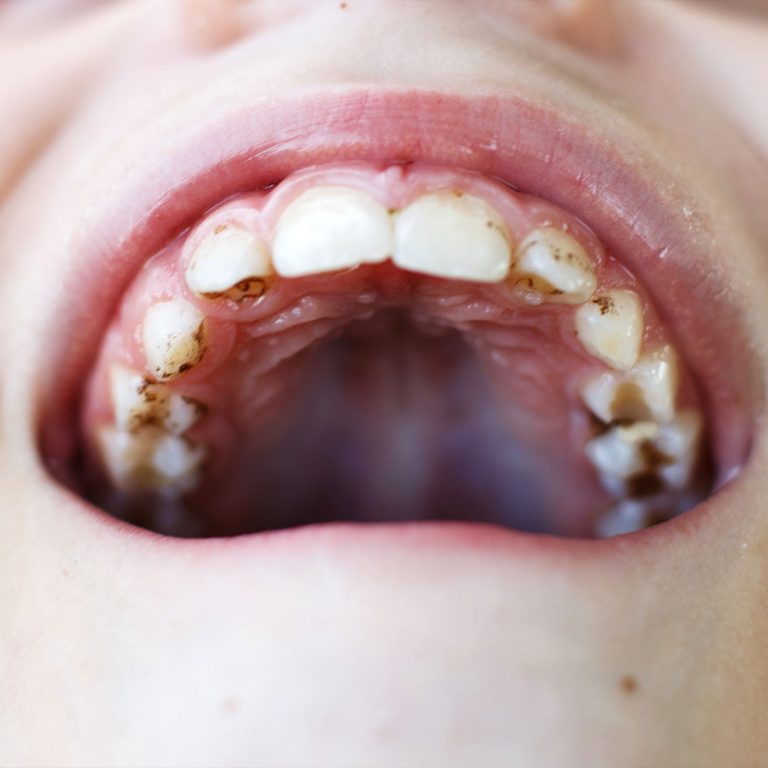
Severe or persistent tooth pain should be assessed promptly, especially when it is accompanied by swelling, fever, trauma, or symptoms that are getting worse. The cause may include decay, inflammation, infection, or a cracked tooth, and the appropriate treatment depends on an examination.
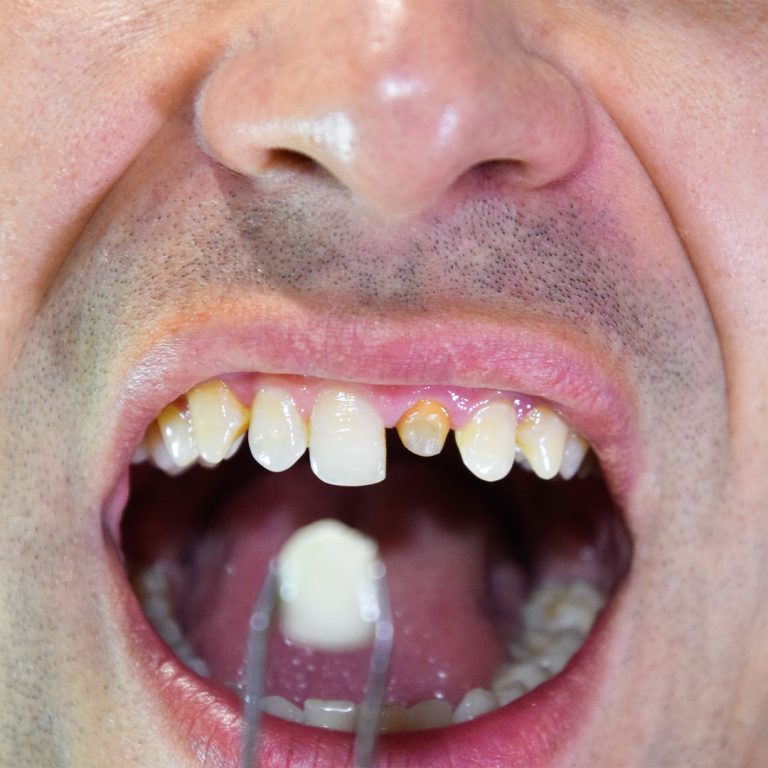
A broken or chipped tooth should be assessed to determine how much tooth structure has been damaged and whether the inner tooth or root is involved. Avoid chewing on the affected side, save any tooth fragments you can find, and arrange a dental assessment. Treatment may include bonding, a dental filling, a dental crown, root canal therapy or extraction, depending on the diagnosis.
A knocked-out permanent tooth is time-sensitive and should be assessed immediately. Handle the tooth by the crown rather than the root, rinse it gently with water if needed without scrubbing, and keep it moist if it cannot be returned safely to its socket. Contact a dentist as soon as possible for guidance and assessment.
A lost filling or dental crown can leave the tooth sensitive or vulnerable to further damage. Keep the area clean, avoid chewing on that side, and bring the crown with you if you still have it. Do not use household glue or another non-dental adhesive to reattach a crown. Contact a dentist for an assessment and appropriate treatment.
Recurring gum bleeding can be associated with inflammation, gum disease, irritation, injury, or other oral health concerns. Arrange a dental assessment when bleeding happens repeatedly or occurs with swelling, pain, a damaged tooth, or other changes. Heavy bleeding that does not stop with continuous pressure, or bleeding associated with serious facial trauma, requires urgent medical attention.
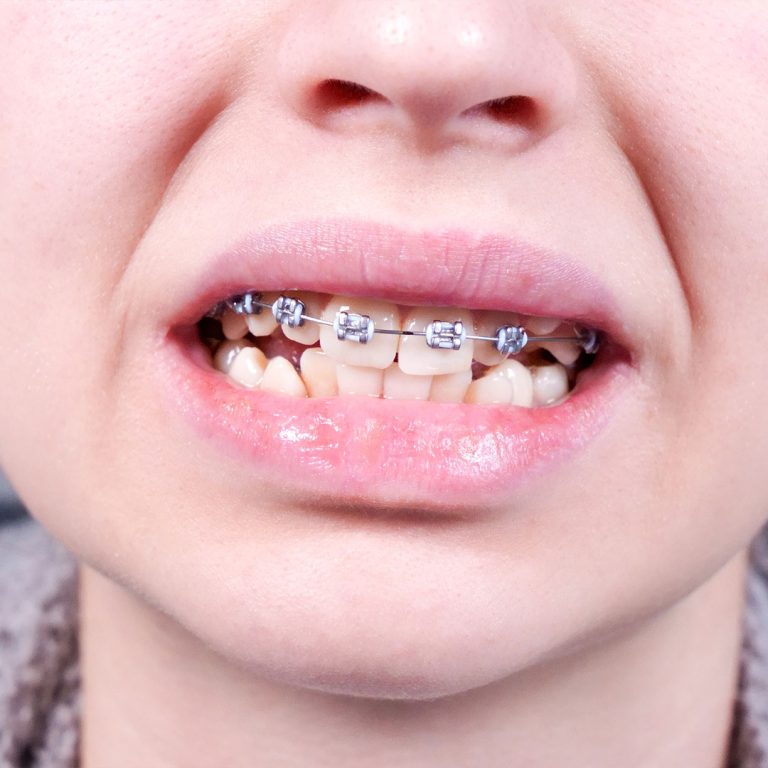
A broken bracket, loose wire, or damaged orthodontic appliance can cause discomfort or irritate the cheeks, lips, or gums. If you are already receiving orthodontic treatment, contact your treating dental professional for instructions. If the appliance is causing significant pain or injury and you cannot reach them, call Eagle Family Dentistry to confirm whether an urgent dental assessment is appropriate.
Location:
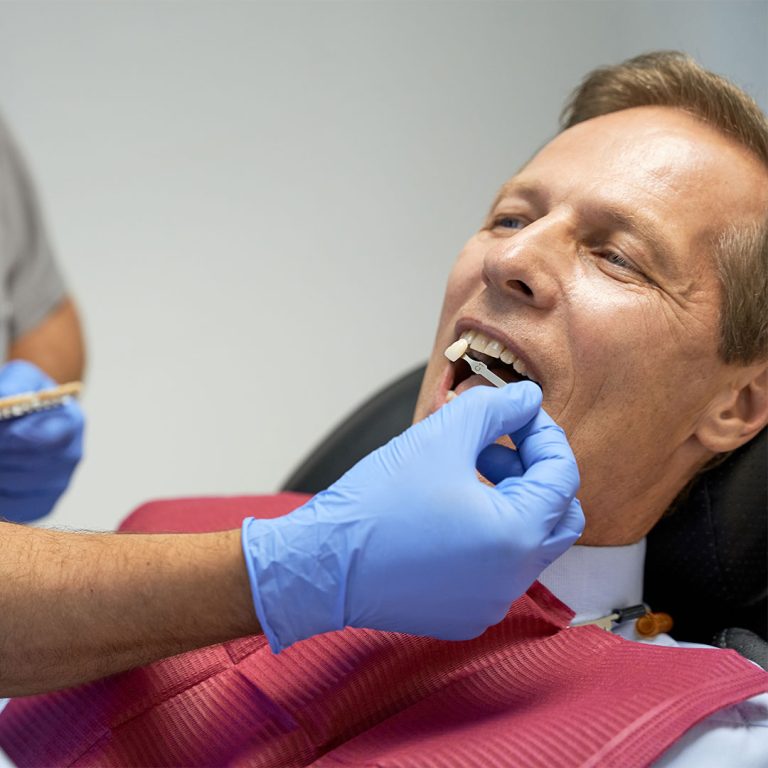
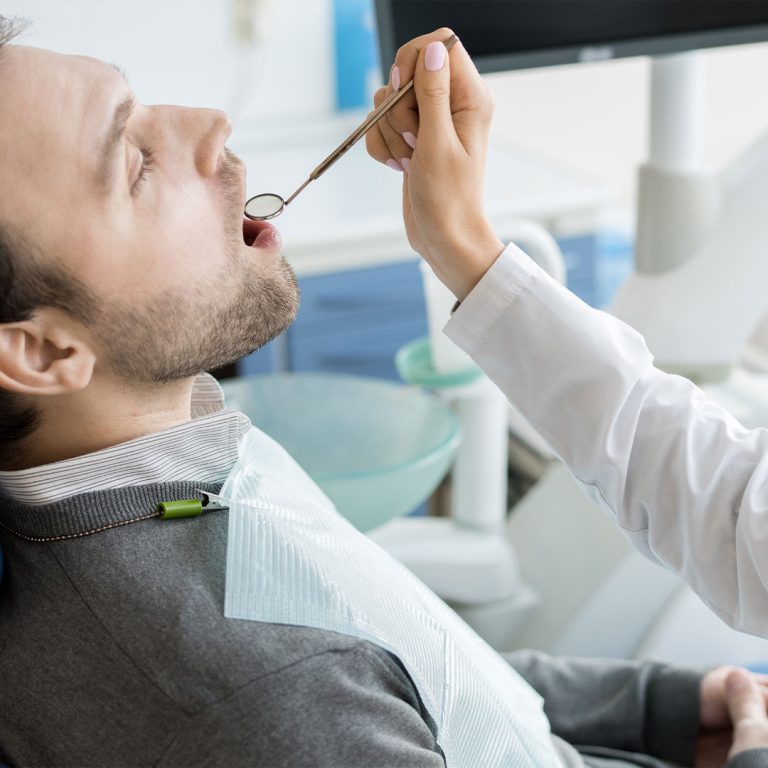
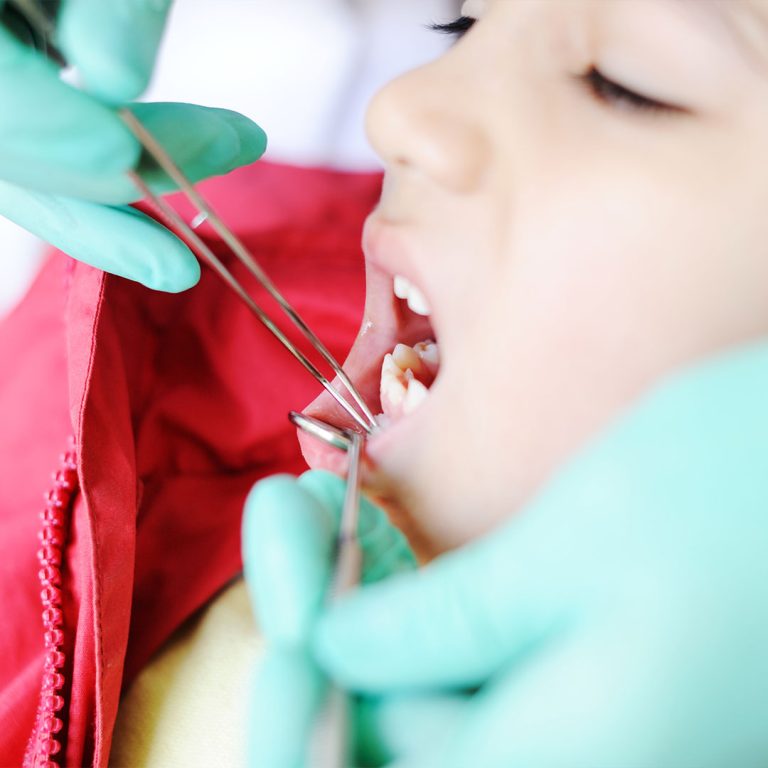
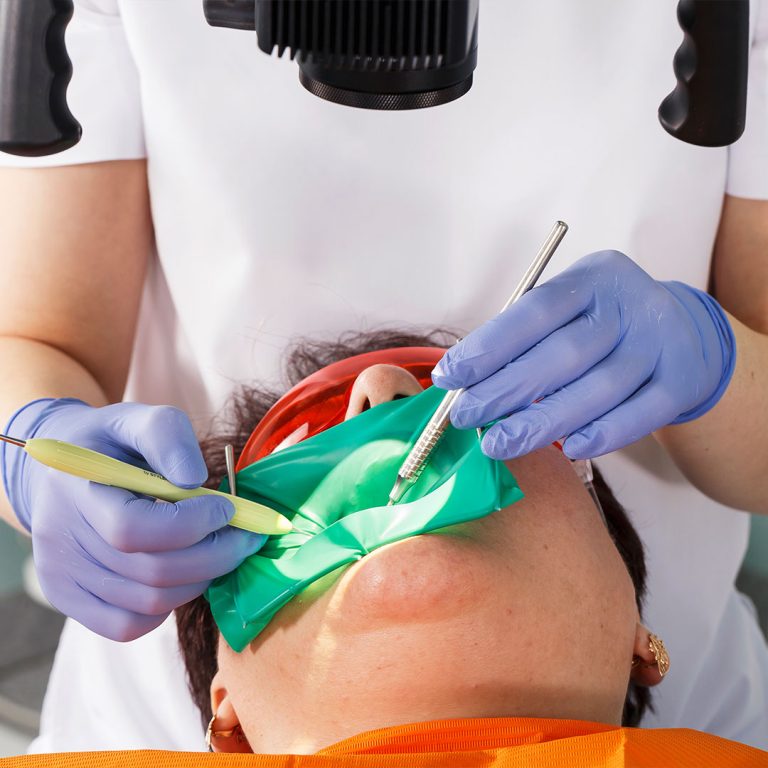
Your emergency dental visit starts with a discussion of your symptoms and an examination. The dentist may recommend dental X-rays when clinically necessary to understand the cause of pain or damage. Depending on the diagnosis, your dentist may discuss a filling, a crown, root canal treatment or an extraction. Your dentist will explain the proposed care and follow-up instructions before treatment whenever circumstances allow.
Call (905) 836-6111 to confirm current appointment availability. Learn when to seek urgent care in the Ontario Dental Association guidance. Eligible emergency dental services may be covered under CDCP, subject to clinical criteria and any required preauthorization; check the Canada.ca CDCP guide and read our CDCP information for Newmarket patients. Ask the clinic to verify your proposed care.



Eagle Family Dentistry is located at 340 Eagle St W, Unit 11, Newmarket, Ontario L3Y 7M9. For urgent dental care, call (905) 836-6111 before travelling. Bring your medication list, insurance or CDCP details, and any relevant dental records. Appointment requests sent online are not a confirmed emergency booking.
1. Follow the instructions provided by your dentist.
2. Take prescribed or recommended medications only as directed.
3. Choose foods that are appropriate for the treatment you received.
4. Avoid chewing on the treated area if instructed.
5. Keep the area clean according to your dentist’s directions.
6. Attend any recommended follow-up appointment.
7. Contact the clinic if pain, swelling, bleeding, or other symptoms become worse or unexpected.
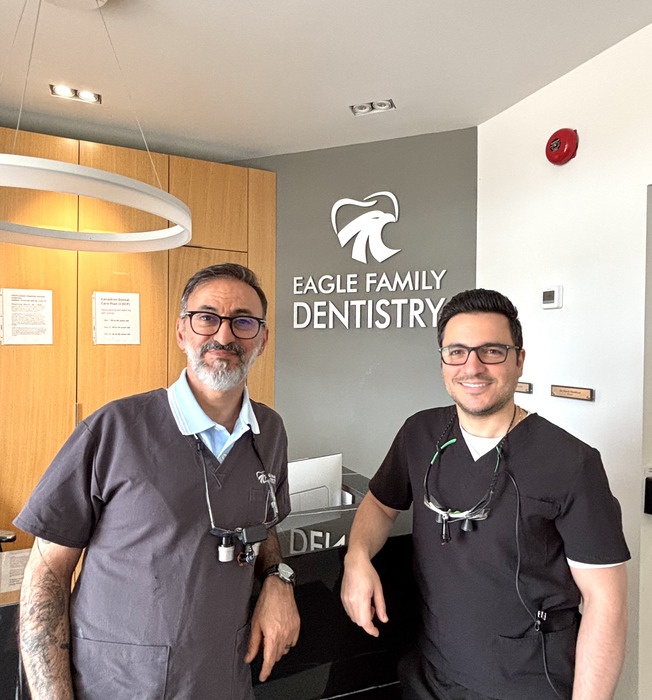
Dr. Saeed Meshksar and Dr. Meysam Jahanmehr are dentists at Eagle Family Dentistry in Newmarket. For an urgent dental concern, our dental team can assess your symptoms, examine the affected area, and explain appropriate treatment options based on the clinical findings. The treatment recommended will depend on the cause and severity of the dental emergency.
Pain or swelling may become worse if the underlying cause is not treated.
A loose or damaged restoration can leave the remaining tooth more vulnerable to further breakdown.
A dental infection may spread beyond the affected tooth or surrounding tissues.
Delaying care can sometimes reduce the number of treatment options available for saving a tooth.
A cracked or broken tooth may sustain additional damage if it continues to be used for chewing.
Prompt attention to dental emergencies is essential to avoid these negative outcomes.
If you have urgent tooth pain, swelling, a broken tooth, a lost filling or crown, or another dental concern, call Eagle Family Dentistry and describe what is happening. Our team can confirm current appointment availability and help determine the appropriate next step.
For everyday family care beyond emergencies, see everything our Newmarket dental office offers on our homepage.
Severe or persistent tooth pain, swelling of the gums or face, a broken or knocked-out tooth, uncontrolled dental bleeding, a lost restoration causing significant pain, or signs of a dental infection may require prompt assessment. If symptoms are getting worse, call the clinic and describe what is happening so the dental team can help determine the appropriate next step.
Emergency appointment availability changes throughout the day and depends on the clinic schedule and urgency of existing cases. Call Eagle Family Dentistry at (905) 836-6111 to confirm the earliest available appointment. Same-day care should not be assumed unless the office confirms availability.
If an over-the-counter pain reliever is normally safe for you, use it according to the product label. A cold pack on the outside of the face may help with discomfort or swelling. Do not place aspirin or another medication directly on the tooth or gums, and do not rely on temporary pain relief instead of having the cause assessed.
Most toothaches, broken teeth, lost fillings or crowns, and localized dental problems are best assessed by a dentist. Call 911 or go to the nearest hospital emergency department if you have difficulty breathing or swallowing, severe uncontrolled bleeding, loss of consciousness, rapidly spreading facial or neck swelling, or serious facial or jaw trauma.
Act quickly. Hold the tooth by the crown rather than the root. If it is dirty, rinse it gently with water without scrubbing. If it can be returned safely to the socket, do so carefully. If not, keep the tooth moist in cold milk and seek dental care immediately.
A dentist may prescribe antibiotics when they are clinically indicated, such as for certain spreading infections or systemic symptoms. Antibiotics do not replace dental treatment for the source of an infection, so an examination is needed to determine the appropriate care.
A lost filling or crown should be assessed promptly, especially if there is pain, sensitivity, a sharp edge or difficulty chewing. Keep the area clean, avoid chewing on that side and do not use household glue. Call the clinic to describe your symptoms and confirm the appropriate timing for care.