
Consequences of Ignoring Wisdom Teeth Removal

One of the most common questions I hear as a dentist is “What happens if I ignore or postpone the wisdom teeth removal?” It directly depends on the situation of your wisdom teeth. However, untreated wisdom teeth might lead to more serious problems, such as infection, pain, cavities, misalignments, and other potential issues. In this blog, we want to explore the several risks of ignoring or postponing wisdom teeth removal. If you are interested in this topic, join us until the end! Risks of Leaving Wisdom Teeth Untreated Let’s look at the consequences of not getting your wisdom teeth removed in detail. Issue Description Impacted Wisdom Tooth Impacted wisdom teeth can lead to more serious issues, such as infection and pain if left untreated. Infection Untreated wisdom teeth can increase the risk of bacteria accumulation, gum disease, infection, or dental abscess. Cavities Wisdom teeth are located in the back of the mouth, making them difficult to clean. Without regular cleanings, the risk of developing cavities might be increased. Overcrowded Teeth Wisdom teeth can push against other teeth and cause misalignment. Pain Wisdom teeth can cause pain, discomfort, swelling, and chewing difficulties. Cysts and Tumors Cyst formation is another risk of untreated wisdom teeth. It can also lead to damage to your jawbone and teeth When to Visit Your Dentist If you are unsure whether you need wisdom teeth removal, here are some signs that indicate a problematic wisdom tooth. Let’s check them out: Let’s read Cara’s experience: “I was in my mid-twenties when I first started feeling pain in the back of my mouth. I thought it was just normal discomfort, but after a checkup, I learned that my wisdom teeth were impacted. It was so uncomfortable, and the pain got worse with time. The dentist recommended extraction, and I’m glad I followed through. It saved me from more serious issues down the road!” A Healthier Smile with Professional Wisdom Teeth Removal Are you looking for a reputable and experienced dentist to get your wisdom teeth professionally removed? We are here for you! At Eagle Family Dental we offer premium wisdom teeth removal at the most affordable cost. What to Expect During Wisdom Teeth Removal The procedure of wisdom tooth extraction is completed through several steps. Understanding the process helps you to be more prepared and stress-free. Let’s take a look at the wisdom tooth extraction procedure: Here is Ali’s experience: “My dentist walked me through everything before my wisdom tooth removal. I was nervous, but the procedure was quick and painless, and my recovery went smoother than I expected. I only had mild swelling, and I was back to my regular routine in just a few days.” Aftercare Tips for Wisdom Teeth Removal If you are considering getting your wisdom teeth removed, you should be aware that following aftercare instructions is essential. According to Healthline, the following tips help you experience a more effective and comfortable recovery: At Eagle Family Dental, we offer top-quality wisdom teeth removal, creating a healthier and more harmonious smile for our patients. Our dentist and caring staff have years of experience in handling problematic wisdom teeth, so you can undergo the procedure with peace of mind. Give us a call today, we eagerly await you. FAQs
Dentist or Oral Surgeon for Tooth Extraction: What You Need to Know

Many patients ask the following question: Dentist or oral surgeon? Which one is the best choice? We usually tell them that it directly depends on the complexity of your case. A general dentist can remove fully erupted wisdom teeth without any problem. However, individuals with impacted wisdom teeth usually need to see an oral surgeon to ensure they get a professional wisdom tooth extraction. Otherwise, choosing the wrong provider can lead to more serious issues. In this blog, we want to take a closer look at the key differences between choosing a dentist or oral surgeon. Interested in learning more? Keep reading! Key Differences Between a Dentist and an Oral Surgeon If you are considering getting your wisdom teeth removed and are still unsure about choosing a dentist or oral surgeon, this chart is for you. Let’s see what differences dentists and oral surgeons have: Criteria Dentist Oral Surgeon Education and Training General dentist degree Oral surgeons need an additional 4-6 years Expertise General dentists offer general dental services, like extractions Oral surgeons specialize in more complex treatments and surgical procedures Sedation Options Dentists usually use local anesthesia for simple procedures Oral surgeons apply lV sedation and general anesthesia for more complicated processes Extraction Types Dentists typically perform simple extractions Oral surgeons handle high-risk cases Cost A general dentist’s fee is slightly lower The oral surgeon’s fee is usually higher Important note: When it comes to extracting your wisdom teeth through a dental surgery, both dentists and oral surgeons are qualified to perform a treatment. However, if your case is complicated or requires special tools and methods, an oral surgeon may be a better choice to extract your wisdom tooth successfully. When to See a General Dentist for Tooth Extraction A general dentist can be the right choice for tooth extraction for many patients. However, you should consider some factors first to ensure your decision. Let’s take a look at these factors together: Let’s read Juan’s experience. “I visited my dentist because my lower wisdom tooth was causing discomfort. After examining the X-rays, he said the tooth was fully erupted and could be removed easily. The procedure took less than 30 minutes with just local anesthesia, and I was able to go home right after. I had mild swelling for a couple of days, but overall, the process was simple and not as scary as I thought.” When an Oral Surgeon Is Needed for Tooth Extraction In more severe cases, an oral surgeon might be needed to remove your wisdom tooth and prevent further complications. You should see an oral surgeon if you have the following conditions: Here is Babak’s story “I had been dealing with jaw pain and headaches for months before finally seeing my dentist. After an X-ray, he told me my wisdom teeth were impacted and referred me to an oral surgeon. The surgeon explained everything in detail and recommended IV sedation since the procedure would be more complicated. I don’t remember much from the surgery, but the recovery instructions helped me heal quickly. I’m glad I went with an oral surgeon for my case.” What to Expect During the Procedure As a dentist, I always make sure that patients understand what they are going to experience during the procedure of a simple wisdom tooth extraction or a surgical process. This awareness makes them more prepared and stress-free. Let’s check out the steps together now: Here is Rosa’s experience: “My dentist walked me through everything, which really calmed my nerves. Once the anesthesia kicked in, I didn’t feel a thing. The extraction was fast, though they had to remove some bone for my impacted tooth. Afterward, they cleaned up, put in a few stitches, and gave me gauze. Honestly, it was way easier than I expected. I really appreciate the Eagle Family professional team!” Enhance Your Oral Health at Eagle Family Dental Need a professional dentist to get your wisdom tooth removed? We are here to help! We offer premium dental services, including professional wisdom teeth removal to help you smile confidently again. Schedule an appointment right away! Do Dentists and Oral Surgeons Use Different Types of Sedation? The answer is yes. Dentists and oral surgeons don’t always use the same type of sedation for all patients. The selected sedation type depends on several factors, including the wisdom tooth extraction’s complexity and the provider’s qualifications. Let’s see who offers what. General Dentists Generally, dentists typically apply local anesthesia to numb the treatment site and surrounding area. However, other types of sedation, like nitrous oxide ( which is known as laughing gas), might be used for cases of dental anxiety. Oral sedation is also common for relaxation. Oral Surgeons Oral surgeons are trained to apply more advanced types of sedation, such as lV sedation and general anesthesia. These sedations are proper for individuals who need to undergo more complex procedures, like impacted wisdom tooth extraction. Administrating the advanced types of sedation helps patients to feel more comfortable and stress-free during the procedure. What to Do After Wisdom Tooth Extraction If you are considering undergoing a wisdom tooth extraction procedure, you should be aware of aftercare tips to prevent damage and experience an effective and speedy recovery. According to Healthline, there are a few steps you can take to speed up the healing time: Juan told us about his experience of his healing process after tooth extraction: “I had a molar extraction recently. The procedure was quick and mostly painless. I followed the aftercare instructions, rested, and used ice packs for swelling. By day three, the discomfort had eased, and I could eat soft foods. The healing went smoothly, and after a week, I felt nearly back to normal.” At Eagle Family Dental, we offer top-quality wisdom tooth removal at an affordable cost. Our dentists and oral surgeons have years of experience and expertise in handling wisdom teeth problems. They value updating their knowledge and using modern techniques and tools to make the treatment more comfortable and stress-free.
Is Wisdom Tooth Extraction Really Necessary?

As a dentist, one of the most common questions I hear from my patients is, “Is wisdom tooth extraction really necessary?” My answer is that it depends. Wisdom tooth extraction is not always necessary, but many individuals with pain, infection, and impacted teeth, need it to prevent further complications. The final decision must be made after a comprehensive assessment and evaluation of the patient’s needs and dental situation. In this article, we want to know when wisdom tooth extraction is required and when it can be avoided. If you are interested in this topic, join us until the end! Issue Extraction Needed Extraction Not Needed Pain and discomfort Chronic pain and swelling can be a symptom of an infected wisdom tooth Your wisdom teeth don’t cause discomfort and pain Impacted wisdom tooth Partially or fully trapped wisdom teeth can lead to severe problems Your wisdom tooth has fully erupted and doesn’t cause misalignment Crowded teeth Your wisdom tooth causes shifting of the nearby teeth, creating an inharmonious smile Your wisdom teeth don’t push against nearby teeth Cysts and infection Infection, gum disease, tooth decay around your wisdom tooth Having healthy gums and no infection Get Premium Tooth Extraction at Eagle Family Dental! Looking for an expert and experienced dentist to get your wisdom tooth removed? You are in the right place. At Eagle, you can find top-quality wisdom tooth removal at an affordable cost. Book your appointment today! What Happens If You Ignore or Postpone a Necessary Tooth Extraction Delaying or ignoring a necessary wisdom tooth extraction can lead to more serious problems. If you have noticed any signs of a problem related to your wisdom teeth, you should book a dental appointment with your dentist as soon as possible. Here, we have mentioned the consequences of an untreated problematic wisdom tooth: Let’s read Kyle’s experience: “I kept postponing my wisdom tooth extraction because I was afraid of the pain. At first, it was just mild discomfort, but then I started experiencing swelling, sharp jaw pain, and difficulty chewing. Eventually, the area became infected, causing a bad taste in my mouth and persistent headaches. When I finally saw my dentist, the extraction was more complicated than it would have been earlier. I wish I had done it sooner to avoid all the pain and trouble.” Alternatives to Wisdom Tooth Extraction Wisdom tooth extraction is not always needed for all patients. Sometimes, we recommend alternative treatments to help them keep their oral health, manage symptoms, and reduce discomfort. There are several solutions available, Let’s check them out: Take your first step towards a healthier life by getting a professional wisdom tooth extraction. Our team at Eagle Family Dental has years of experience and expertise, making the treatment process comfortable for patients. Additionally, flexible payment plans are also available to facilitate the payment process. Contact us today and schedule an appointment. FAQs
How Much Does Wisdom Tooth Extraction Cost?

Wisdom tooth extraction is one of the most common dental procedures worldwide, but the cost can vary depending on different factors. The cost of wisdom tooth removal varies depending on different factors. Understanding the exact cost of wisdom tooth removal and the factors that influence the final price can help you budget more effectively. In this article, we want to give you all the information you might need about wisdom tooth extraction costs. Are you ready to learn more? Keep reading! Which Factors Influence the Cost of Wisdom Tooth Extraction? The final cost of wisdom tooth removal depends on several factors. Understanding these factors helps you make better decisions and plan your budget more effectively. Let’s take a closer look at these factors: Factor Description Type of Extraction The cost of wisdom tooth extraction is directly related to the type of wisdom tooth removal. Simple extractions are less expensive, while complex procedures and surgical extractions are more costly. Anesthesia Options The type of anesthesia the patient chooses can influence the total cost. Sometimes, local anesthesia is not sufficient, and patients may need nitrous Oxide or IV sedation which, makes the treatment more costly. Location and Dentist’s Expertise Dental clinics in major cities and upscale areas offer their dental services at higher prices. Additionally, the cost of treatments, such as wisdom tooth extraction, is influenced by the dentist’s expertise and experience. Insurance Coverage/ Financing Options Insurance companies often offer plans for medically necessary cases. Patients with impacted or infected wisdom teeth may be covered by insurance. Moreover, some financing options have facilitated the payment procedure for individuals. How Much Does Insurance Cover Wisdom Tooth Extraction? Dental insurance can significantly reduce the cost of treatments. Most of the insurance plans cover a part of the expenses, especially for medically necessary cases. Insurance plans can reduce 50% to 80% of the cost, making the payment procedure much easier for the patients. However, it is best to contact your insurance provider directly to inquire about their policies. They can provide more information about their annual maximum limitations and other important details. Dentist note: I always recommend that my patients double-check their insurance plan and benefits before scheduling surgery. This can save them from unexpected expenses. Top-quality Wisdom Tooth Extraction at Eagle Family! Looking for a reputable dentist to get a budget-friendly wisdom teeth removal? You can count on our team at Eagle Family Dentistry. Our dentists and caring staff have years of experience handling wisdom teeth problems, and helping patients have a healthier life by improving their oral health. Schedule an appointment right away! Additional Costs to Consider If you are planning to have your wisdom tooth removed, keep in mind that, besides the cost of the procedure, there will also be additional expenses for post-procedure care. Let’s take a deeper look! Let’s read Ava’s experience: “ I wasn’t fully aware of these additional costs initially, but the staff at Eagle Family were very transparent and made sure I was well-informed. Before moving forward with any further treatments or prescriptions, they explained everything in detail, from follow-up visits to medications, so there were no surprises. The doctors took the time to answer all my questions and made sure I understood the financial aspects of my recovery process. It really helped to have such clear communication, and I felt much more at ease knowing exactly what to expect.” What to Do After Tooth Extraction Procedure According to the England.NHS, there are several important tips to follow after a tooth extraction. Let’s check them out! At Eagle Family Dentistry we have gathered experienced dentists and friendly staff under one roof. So, you can receive your required treatment with peace of mind. Additionally, all of our services are affordable and our flexible payment plans facilitate the payment process for our patients. Give us a call today and take your first step toward a healthier and happier life. FAQs About Wisdom Teeth Removal
Is Wisdom Tooth Removal Painful?

Feeling nervous about wisdom tooth removal is understandable, especially if you are unsure what the procedure or recovery may feel like. So, is wisdom tooth removal painful? The treatment area is typically numbed before an extraction. You may still notice pressure or movement during the procedure, and some soreness or swelling can occur as the area heals afterward. Every experience is different. The position of the tooth, the complexity of the removal, the number of teeth being treated, and your individual recovery can all affect how you feel. This guide explains what you may experience during and after wisdom tooth removal and when it is important to contact a dentist. Does Wisdom Tooth Removal Hurt? A local anaesthetic is commonly used to numb the treatment area during wisdom tooth removal. Its purpose is to prevent pain while the tooth is being treated. However, numbness does not always remove the sensation of pressure, movement, or pushing. If you feel pain during the procedure, tell your dentist immediately so the situation can be assessed. What Might You Feel During the Procedure? You may be aware of pressure or movement as the dentist works around the tooth. These sensations are different from sharp pain. What you feel can vary depending on the tooth’s position and the type of removal required. Your dentist can explain the planned procedure and answer questions before treatment begins. Anaesthetic and Sedation Options The appropriate approach depends on the treatment plan, the complexity of the case, your health history, and the setting in which the procedure is performed. Local anaesthetic is used to numb the treatment area. Sedation may be considered in some situations to help a patient feel more relaxed, but it does not replace local anaesthetic. Availability and suitability must be confirmed with the treating dental professional. You can also read about sedation for wisdom teeth removal. Concerned About Wisdom Tooth Pain? If wisdom tooth pain is affecting you or you have been advised to consider an extraction, contact Eagle Family Dentistry to request an assessment. A dentist can examine the area and discuss appropriate next steps based on your individual needs. What Affects Discomfort After Wisdom Tooth Removal? Post-treatment discomfort is not the same for everyone. The position of the tooth, the complexity of the removal, and your body’s healing response can all influence recovery. Your dentist can provide more specific expectations after reviewing your examination and dental images. Simple and Impacted Wisdom Teeth A fully erupted wisdom tooth may be removed differently from a tooth that is partly or fully trapped beneath the gum or bone. An impacted wisdom tooth may require a more involved procedure, but that does not automatically mean you will feel more pain during treatment. Anaesthetic, the treatment approach, and individual factors all influence the experience. The Number and Position of the Teeth Treating more than one tooth or removing a tooth in a difficult position may affect the procedure and recovery. The surrounding bone, nearby teeth, and nerves can also influence treatment planning. An examination is needed before a dentist can explain what may apply to your case. How Long Does Wisdom Tooth Removal Take? The time required varies. A straightforward removal may take less time than a surgical extraction, while treating multiple teeth may take longer. Instead of relying on a general estimate, ask your dentist what to expect after the tooth has been assessed. How Long Can Discomfort Last After Wisdom Tooth Removal? Some soreness, swelling, bruising, or jaw stiffness can occur after wisdom tooth removal. These symptoms often begin to improve as healing progresses, but the timing and intensity vary. More complex procedures may involve a different recovery experience from straightforward extractions. Follow the instructions provided by your dental team rather than comparing your recovery with someone else’s. Contact a dentist if pain or swelling is severe, is getting worse instead of improving, or is accompanied by other concerning symptoms. How Can You Manage Discomfort After Removal? Your dentist will provide aftercare instructions based on your procedure. Follow those instructions carefully. If medication is recommended, ask your dentist or pharmacist which over-the-counter or prescribed option is appropriate for you, particularly if you take other medications, have allergies, are pregnant, or have an existing medical condition. Do not exceed the directions on a medication label or use someone else’s prescription. If the recommended approach is not controlling your discomfort, contact the treating dental professional rather than changing the dose yourself. Ways to Support a More Comfortable Recovery Aftercare recommendations may differ depending on the procedure and your health. The instructions from your own dental team should always take priority over general online information. 1. Follow Your Personalized Aftercare Instructions 2. Choose Foods That Do Not Irritate the Area Foods that are soft and easy to chew may be more comfortable during early recovery. Avoid foods that could irritate the area or become trapped in the socket, according to your dentist’s instructions. For more examples and practical guidance, read what to eat after wisdom tooth extraction. 3. Protect the Healing Blood Clot A blood clot forms in the socket and helps protect the area while it begins to heal. Activities that create suction or disturb the site may interfere with that clot. Follow the timing and cleaning instructions provided by your dentist, including when to begin rinsing. Learn more about wisdom tooth socket healing. When Should You Contact a Dentist About Pain? Contact a dentist promptly if pain or swelling is severe, continues to worsen, or is not responding to the plan you were given. You should also seek advice for bleeding that does not stop, a bad taste accompanied by fever or feeling unwell, or any other symptom that concerns you. Difficulty breathing or swallowing, rapidly increasing swelling, or another serious reaction may require urgent medical attention. Do not rely on an online article or appointment form in an emergency. Wisdom Tooth Assessment in Newmarket The only way to determine what may be causing wisdom tooth pain
Common Myths About Orthodontics You Shouldn’t Believe

Orthodontic treatment is among the most effective dental treatments designed to address various dental issues and offer patients a healthy and aesthetically pleasant smile. However, Despite all the benefits orthodontic treatment offers, myths about orthodontic care persist, discouraging patients from undergoing this procedure. But what is the truth? Is orthodontics only for children? Is orthodontic treatment painful? We don’t think so! What do you think about these common beliefs? Today, we want to talk about common myths about orthodontics to help you gain a clearer and more accurate understanding of this treatment. Are you ready to learn? Read on! Everything About Orthodontics: Myths vs. Facts Orthodontic treatment is a proper method to address misaligned teeth and jaws. Restoring the functionality and aesthetics of the smile. However, there are always some misconceptions about orthodontics. Let’s take a look at them. Myth 1: Orthodontics Is Only for Children While many believe that orthodontics is only for children, the fact is that adults can also benefit from this method. The orthodontic treatment effectively addresses misaligned teeth and helps adults maintain their oral health in the long run. Now, let’s read about a patient’s experience. Elham has undergone orthodontic treatment. She explains that she postponed her treatment for years because of a misunderstanding. “ I have been dissatisfied with my misaligned smile since I was a teenager. During those years, I didn’t have the opportunity to get orthodontic treatment and as I got older, I honestly thought this treatment wouldn’t work for me anymore. Finally, In my mid-30s, I consulted the dentists at Eagle Family. I was surprised by what they said. Contrary to my beliefs, they told me that my age didn’t matter and I could still achieve a healthy and beautiful smile. Now, it’s been about 8 months since I started orthodontic treatment, and I can see how my teeth are becoming more aligned.” Myth 2: Braces Are the Only Option With the advancements in dentistry, traditional braces are not the only solution to address misalignments. Patients can choose between various options, including clear aligners, lingual braces, or retainers. These types of braces help patients to experience a more comfortable treatment. Myth 3: Orthodontic Treatments Are Painful It is natural to experience discomfort and mild pressure in the first few days after undergoing orthodontic treatment. However, advancements in technology and materials have significantly reduced the pain. Get Orthodontic Treatment with Peace of Mind! Need a reputable and trustworthy orthodontist to get orthodontic treatment? We are here for you. We have gathered skilled dentists with years of experience and expertise at Eagle Family Dentistry. Trust our professional team! Cost and Time Misconceptions Orthodontic treatment is usually considered a costly and time-consuming process. However, the question is where is the border between misconceptions and reality? Let’s discuss it! Myth 4: Orthodontic Care Is Too Expensive Orthodontic treatment usually seems expensive at first. The final cost of this procedure depends on various factors, including the complexity of the process, orthodontist expertise, and the type of aligner the patient chooses. However, you should consider that this procedure is more affordable than many assume. Additionally, flexible payment plans and insurance coverage( in medically necessary cases) can reduce the final cost of orthodontics and make the payment process much easier. Myth 5: Treatment Takes Years to Complete Many individuals believe that orthodontic treatment takes years. We are here to tell you that it is a misconception. With modern techniques and tools, the total time of orthodontic procedures has been minimized. The treatment process normally takes six months to two years. Affordable Payment Plans and Insurance Options Some dental clinics offer flexible payment options to make the payment process easier for patients. Moreover, insurance providers may cover a part of treatment costs. These options help patients achieve a healthy and sparkling smile within their budget. Modern Advances in Orthodontic Care According to the National Library of Medicine, in recent years, artificial intelligence (AI) development has advanced, allowing each expert to provide better alternatives to patients, make more precise diagnoses, and reduce treatment costs and timeframes. Method Details Clear Aligners Clear aligners also known as Invisalign, are a popular alternative to traditional braces. This type of aligner is proper for individuals who want to correct their smile misalignments without drawing attention to their treatment. Additionally, Patients can remove Invisalign aligners while eating or brushing. New Innovations Innovations like self-ligating braces and modern orthodontic methods have facilitated the treatment procedure for patients by reducing the treatment’s time, helping patients easily achieve the smile they have always wished for. New Technology Computer-aided and 3D imaging make the procedure much easier for orthodontists and patients. They also effectively design treatment plans based on each patient’s needs and preferences. Long-Term Benefits of Orthodontic Treatment Orthodontic treatment benefits individuals in various ways, improving their oral health, enhancing their smile’s aesthetics, and boosting confidence. Here are some long-term benefits of orthodontic treatment: How to Choose the Right Orthodontic Provider Choosing the right orthodontist plays a crucial role in your satisfaction and comfort after completing the treatment. Before undergoing the orthodontic procedure, you should consider some factors: If you need orthodontic treatment, just contact our dentists at Eagle Family Dentistry. We have years of experience and expertise in addressing dental misalignments, bite issues, and aesthetic concerns. Schedule an appointment today and enjoy our premium dental services. FAQs
Impacted Wisdom Tooth: Treatment, Recovery, and What You Need to Know
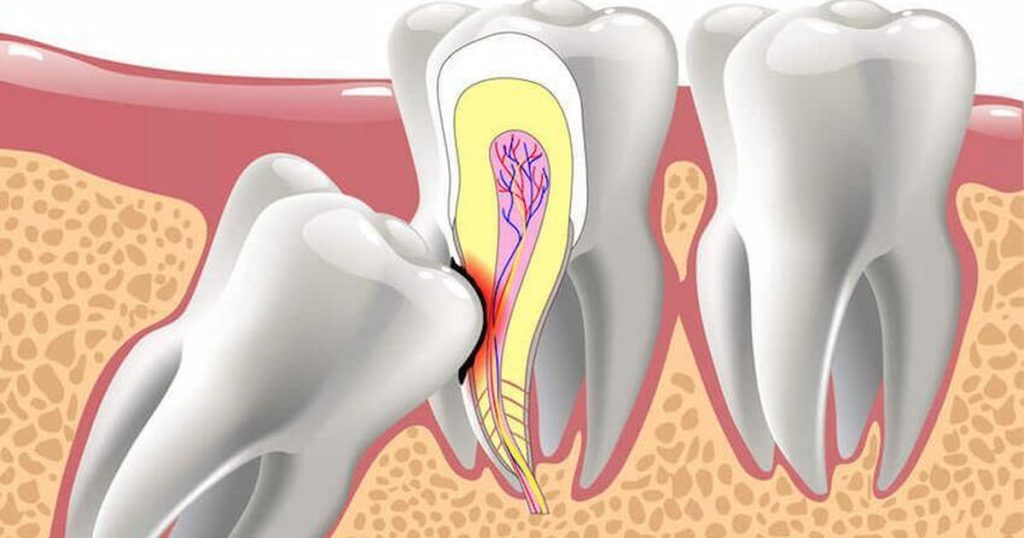
An impacted wisdom tooth often occurs when the tooth doesn’t erupt properly. This issue may cause infection, misalignment, swelling, pain, and other oral issues if left untreated. The solution for impacted wisdom teeth is a surgical procedure called wisdom tooth extraction. You should keep in mind that following aftercare guidelines are necessary for a quick and effective recovery. So, rest enough, consume soft foods, and avoid smoking to ensure a smoother healing process. Are you ready to learn more about this topic, keep reading! Category Details Causes Impacted wisdom teeth might occur because of insufficient jawbone space, crowded teeth, genetics, and a blocked eruption path Symptoms Permanent pain in your jaw, experiencing bleeding gums, swelling and irritation, unpleasant breath, and bad taste in the mouth Treatment 1. Monitoring: Proper for the cases with mild symptoms.2. Extraction: Proper for patients with partially impacted teeth, preventing pain and infection.3. Surgery: Necessary for those with complex impactions. Recovery – Over-the-counter painkillers– Applying ice packs– Consuming soft foods– Avoiding intense physical activities No time to read further? Listen to our podcast instead! Types of Wisdom Tooth Impaction Understanding the type of impacted wisdom tooth plays a key role in evaluating the severity and designing the most effective treatment plan. Here, we have mentioned various types of impacted wisdom teeth. Let’s check them out: What to Expect During Impacted Wisdom Tooth Removal Fortunately, advancements in technology can easily address an impacted wisdom tooth. Our patients usually report that they have experienced a comfortable and stress-free surgery. That is because we use the most updated techniques to minimize discomfort during the procedures. Here is Yalda’s experience with impacted tooth extraction at Eagle Family Dentistry: “ I came to Eagle Family Dentistry with severe pain in the back of my mouth. My professional dentist thoroughly examined my teeth and discovered that my wisdom teeth were impacted. After discussing the treatment options, I decided to undergo the extraction procedure. The procedure was much more comfortable than I had expected. Additionally, my recovery went smoothly. I got enough rest and consumed soft foods. Now I’m pain-free and feel happy with the decision I made” Count on Our Experts at Eagle Family! Need a professional wisdom tooth extraction? We are here for you! At Eagle Family Dentistry you can undergo a comfortable and professional surgery with peace of mind. Experience a healthier and more sparkling smile with us. Post-Surgery Care Tips for Faster Healing If you have decided to undergo wisdom tooth removal surgery, you should be aware that following aftercare tips plays an essential role in experiencing an effective and quick recovery. According to Healthline, the recovery period will vary in length depending on various factors, including age, or the number of impacted teeth. Here, we have mentioned aftercare instructions. Let’s review: When Should You Seek Treatment? If you have noticed the signs of an impacted wisdom tooth, you should contact your dentist immediately to prevent further complications. Timely action can increase the chance of getting more effective treatments. The Risks of Untreated Impacted Teeth An untreated impacted tooth might lead to more serious issues. Some of our patients at Eagle Family who have postponed their treatment had to urgently visit our clinic due to serious issues like severe tooth decay, cysts and tumors, and misaligned teeth. However, based on our experience, these issues make the treatment procedure more difficult. Looking for an experienced dentist to address impacted wisdom teeth? We are here for you. Our professional team and caring staff have years of experience and expertise in handling all dental issues and improving the health of patients’ smiles. FAQs
5 Common Signs You Might Need a Wisdom Tooth Removed
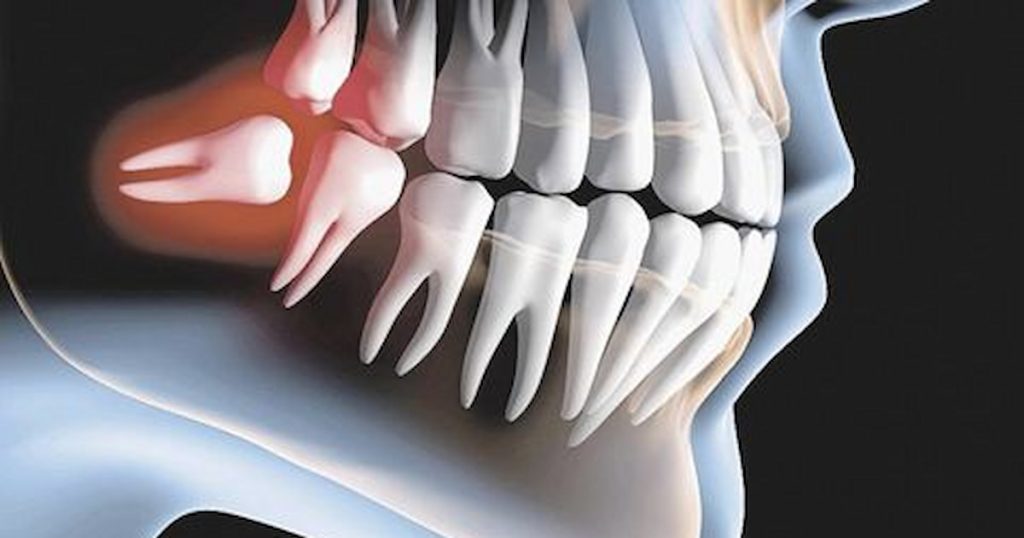
As a dentist, I usually face patients who want to know whether their wisdom teeth require extraction. I often tell them that some individuals never experience issues with their wisdom teeth. On the other hand, others might experience some symptoms, which makes wisdom tooth removal a necessary choice. These signs are: In this blog, we will highlight the signs of wisdom tooth removal you should keep an eye on. You can also listen to us discuss the signs telling you that it’s time to get your wisdom teeth removed. 5 Signs It’s Time for a Wisdom Tooth Removal A better understanding of the signs that indicate a wisdom tooth needs removal can help you take timely action. Here, we have mentioned top signs telling you you might need to consult your dentist. Let’s check them out! Symptoms Details Persistent pain in the back of your mouth It might occur while your wisdom teeth put pressure on the neighboring teeth and your gums. Many of our patients also complain about experiencing pain in their jaw. However, the truth is this pain and discomfort won’t resolve on its own without proper treatment. Swelling and inflammation This sign also needs to be taken seriously. Patients with swelling gums often face difficulties with oral hygiene practices. This problem may increase the risk of plaque buildup and even infection. Chewing difficulties Impacted or misaligned wisdom teeth might lead to bigger problems, such as experiencing chewing difficulties or feeling pain while opening their mouth. Jaw issues Jaw issues might lead to digestion problems. In more severe cases, wisdom teeth might impair your ability to shut your jaw comfortably Teeth crowding Teeth crowding causes a misaligned smile. These wisdom teeth give too much space, putting pressure on the neighboring teeth. What to Do If You Experience These Signs If you have noticed any of those mentioned symptoms, you should contact your dentist as soon as you can. Early treatment can help prevent more serious issues in the future. How to Get Diagnosed by a Dentist Our dental team starts the examination by taking X-rays to evaluate the type and position of your wisdom tooth. During the assessment, we can identify alignment issues and look for the signs of infection. Here, we have mentioned a patient’s experience: First, I noticed pain and discomfort in the back of my mouth, Ali said. After a few days, the pain became more severe. I couldn’t chew the food properly; I felt a headache and mild ear pain. So, I decided to schedule a dental appointment with the professional dentist of Eagle Family Dentistry. They thoroughly examined my mouth and teeth and identified a partially erupted wisdom tooth. The dentist recommended wisdom tooth removal to prevent further damage and more serious problems. Achieve a Healthier Smile by Getting a Professional Wisdom Tooth Removal! If you need to consult an expert to ensure whether you need a wisdom tooth removal, we are here for you! Our team at Eagle Family Dentistry has years of experience in handling wisdom teeth problems. Whether you need an extraction for implants or just want to prevent further complications, you can count on us. Treatment Options: Monitoring vs. Extraction Sometimes, wisdom teeth don’t cause problems. In this situation, we usually recommend monitoring the wisdom teeth instead of removing them. However, extractions are the best solution for patients who are experiencing pain, swelling, infection, or misalignment. Treatment Option Proper Candidates Pros Cons Monitoring Suitable for those whose wisdom teeth haven’t caused any issues yet Non-invasive Doesn’t address complications Extraction Proper for individuals with a fully erupted wisdom tooth A quick healing process and simple procedure Patients might experience discomfort during recovery Extraction(surgery) Proper for cases with impacted teeth Permanent relief from pain and discomfort Invasive procedure and longer recovery Recovery After Wisdom Tooth Removal Following aftercare instructions plays a key role in an effective, quick healing process, reducing the risk of discomfort and complications in the future. According to Healthline, the healing process after wisdom tooth extraction usually takes between 3 days to 2 weeks. It depends on various factors, such as your age and if any were impacted. What to Expect During Recovery It is normal to experience some symptoms, such as mild pain, swelling, or bleeding in the first 24 hours. Our patients usually tell us that the pain is much more manageable than they expected, especially with proper aftercare. Pain Management Tips and Diet Suggestions If you are experiencing pain during recovery, you can use over-the-counter painkillers, like ibuprofen. We usually recommend applying ice packs on the cheek, near the extraction site to reduce swelling and pain. Additionally, following a healthy diet is also essential for a proper recovery. Avoid hard and crunchy snacks and consume soft foods, such as: What Happens If You Ignore Wisdom Tooth Problems? Postponing or ignoring wisdom tooth problems might lead to more severe oral issues and health problems. Let’s see what is gonna happen if you ignore this issue: Need a professional extraction? At Eagle Family Dentistry, you can find reputable and most experienced dentists. They are committed to using the latest methods and continuously upgrading their knowledge. So, you can trust them with peace of mind and achieve the healthier and harmonious smile you deserve. Book an appointment today! FAQs
5 Common Dental Problems Children Experience

All parents wish for their child to have a healthy and beautiful smile. However, it is not uncommon for children to experience dental issues and develop an urgent need to visit a pediatric dentist. In this blog, we will discuss five common dental problems children experience to give parents or caregivers all the necessary information and help them prevent these issues effectively. Are you ready to learn? Keep reading! 1. Tooth Decay and Cavities in Children Many children worldwide suffer from tooth decay and cavities. This issue may occur for different reasons. It occurs due to various reasons, such as poor oral hygiene, and consuming sugary snacks and drinks. Sugary foods create a proper environment for bacteria growth and plaque buildup, damaging the children’s tooth enamel. Symptoms Parents Should Watch For As parents or caregivers, you should check your child’s teeth and look for any signs of cavities, including: Preventive Measures for Cavity-Free Teeth To keep your child’s teeth healthy, you need to follow some preventative measures. Here we have mentioned some of the tips: Protect the Smile of Your Child with Us Are you looking for a reputable and experienced pediatric dentist? We are ready to enhance the health and aesthetics of your child’s little smile. Our team has years of experience and expertise in offering little patients top-quality dental services and caring for their smiles for years. 2. Gum Problems in Young Children Gum disease usually occurs in adults. However, it might also affect children. This issue might occur for several reasons. Gingivitis is the early stage of gum disease, usually characterized by gum inflammation, redness, and bleeding. It occurs often because of poor oral hygiene and bacteria growth along the gum line. This issue can be more serious if left untreated, affecting the development of permanent teeth and leading to tooth loss, excessive bleeding, and infection. 3. Problems With Baby Teeth Many children experience some issues during teething. They may experience pain, discomfort, or premature tooth loss. Do you know why they happen and what the solution is? Teething Pain and Discomfort Children might feel pain and discomfort while teething. It is natural for them to experience swelling, irritation, and a tendency to chew on objects. It’s recommended to massage their gums with a clean finger and provide them with soft and cold food, such as yogurt. Premature Tooth Loss and Its Effects Premature tooth loss can cause misalignment and an unharmonious smile in the future. If a child loses their teeth due to decay or other reasons too early, the dentist may recommend using a space maintainer. 4. Orthodontic Issues in Childhood Orthodontic issues in children need to be addressed immediately before they become worse in adulthood. Some issues, such as crowded teeth, overbites, underbites, and crooked teeth, are common in children. These problems are usually inherited. However, some habits, such as thumb-sucking, can also lead to these issues. Early orthodontic evaluation can help children in various ways. It allows the dentist to catch potential problems at an early stage. They can correct misalignments, bite issues, and jaw problems. It also reduces the need for more complex treatments in the future. 5. Dental Trauma in Children Children are usually more prone to dental injuries because they are physically active and may experience dental damage during sports, falls, or while they are playing with their friends. It may include chipped, cracked, or knocked-out teeth, as well as injuries to the gums or jaw. If a child experiences dental trauma, it’s important to stay calm and act quickly. For a knocked-out tooth, try placing it back in the socket or storing it in milk until you can see a dentist. Seeking immediate dental care is essential to prevent further damage and ensure the best outcome for your child’s oral health. Why Are Regular Dental Visits Important for Children’s Dental Health? During regular dental checkups, dentists can thoroughly examine the children’s teeth and gums, catch the problems at an early stage, and teach children the right techniques for brushing, flossing, and healthy habits. Additionally, regular examinations help children get used to the environment of the dental clinic and reduce their fear and anxiety about dental procedures. Do you need a pediatric dentist to care for the smile of your child? You can trust our skilled team at Eagle Family Dentistry. Our professionals are experienced in handling dental issues in children, improving their oral health and the quality of their lives. Book your appointment today! FAQs
6 Reasons Why Regular Oral Cleaning Is Important
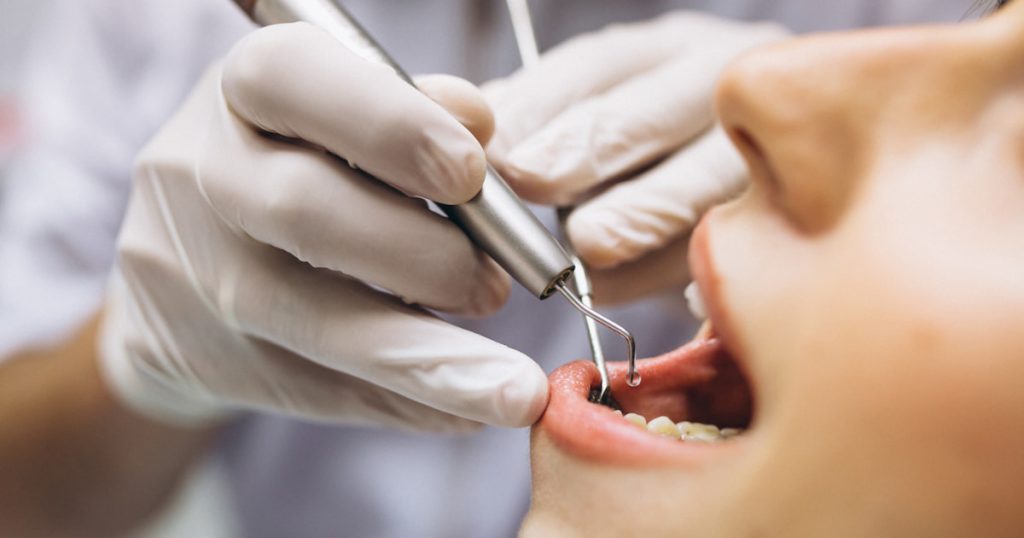
We all understand the importance of oral health and its impact on overall well-being. Paying attention to oral health is not just about regular brushing and flossing. Professional dental cleaning and following a healthy lifestyle are also inseparable parts of a healthy mouth and body. In this blog, we’ll discuss the importance of oral cleaning and six reasons it should be a priority in your life. Are you ready to learn? Let’s go! 1. Promoting Long-Term Oral Health A healthy and beautiful smile affects various aspects of your life, boosting your confidence and helping you have a more positive self-image. Regular dental cleanings help maintain your smile’s health and aesthetics in the long run. During professional cleanings, the dentist removes plaque and tartar to prevent bacteria growth and reduce the risk of tooth decay and cavities. One of the consequences of poor oral hygiene is gum disease. During professional cleaning visits, your dentist thoroughly examines your gums, looks for any symptoms of gum disease or infection, and cleans the gum line to prevent bacterial accumulation. Have a Fresh and Healthy Smile at Eagle! Looking for a reputable dentist to undergo a professional cleaning procedure? We are here for you! Our experienced team is skilled in offering individuals a healthier smile by effectively removing plaque and tartar. Give us a call now! 2. Boosting Overall Physical Health The health of your mouth directly affects the health of your body. Regular oral cleanings can reduce the risk of health issues that are related to poor oral hygiene. Based on the research and studies, some oral issues, such as gum problems, can increase the risk of various diseases. For instance, one study shows that gum problems can lead to heart disease, with bacteria entering the bloodstream and affecting the functions of the heart. Those who are dealing with diabetes need to be aware of the link between diabetes and gum disease. They usually have higher blood sugar levels in their mouth fluids, which can affect the health of the gums and teeth. 3. Enhancing Aesthetic Appeal Poor oral hygiene and plaque buildup usually cause stains and discoloration. With professional oral cleanings, you can achieve a healthy, clean, fresh, and beautiful smile. It boosts your confidence and enhances social and personal relationships. During professional cleanings, the dentist can remove the stains and discolorations on the surface of your teeth, offering a brighter and sparkling smile. Moreover, bacteria can produce some acids that cause bad breath. During professional oral cleanings, the dentist removes the bacteria to ensure your mouth stays fresh and healthy. All in all, a healthy, fresh, and beautiful smile directly affects the quality of your social interactions. Those with a clean and fresh smile usually are more confident and can create more effective relationships. 4. Saving Money in the Long Run Poor oral hygiene leads to bigger problems, including cavities, gum disease, and infection. These problems can cause more severe issues and more expensive treatments if they are left untreated. During regular oral cleanings, your dentist can catch the potential issues at an early stage and address them before worsening. 5. Supporting Regular Oral Hygiene Practices Adhering to regular oral hygiene practices is essential but not enough. Regular oral cleanings can complete your at-home care routine and help you achieve a healthy and fresh smile. During regular cleanings, your dentist usually evaluates your oral conditions and recommends the best care tips, tailored to your needs and preferences. They can also identify the areas in your mouth that are usually not brushed properly. It helps you to improve at-home dental cleaning techniques. 6. Reducing the Risk of Oral Cancer Dentists notice any abnormal signs or symptoms of a serious health issue, such as oral cancer, during the oral cleaning procedure. Early detection and timely treatment can reduce the risk of the development of the disease. Want to know how? Please keep reading! Final Word Regular oral cleanings are essential for maintaining a healthy smile and overall well-being. They prevent dental problems, support physical health, and improve your smile’s appearance. Also, professional cleanings save money, encourage better oral hygiene habits, and help reduce the risk of serious issues like oral cancer. By making regular dental visits a priority, you can enjoy a healthier mouth and a happier life. At Eagle Family, our team has years of experience improving the health and freshness of smiles. Book your appointment today! FAQs