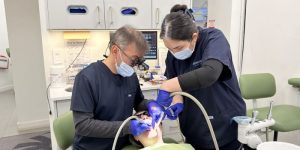
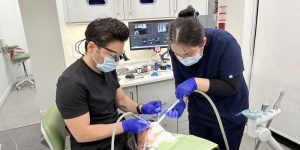
Feeling nervous about wisdom tooth removal is understandable, especially if you are unsure what the procedure or recovery may feel like. So, is wisdom tooth removal painful? The treatment area is typically numbed before an extraction. You may still notice pressure or movement during the procedure, and some soreness or swelling can occur as the area heals afterward.
Every experience is different. The position of the tooth, the complexity of the removal, the number of teeth being treated, and your individual recovery can all affect how you feel. This guide explains what you may experience during and after wisdom tooth removal and when it is important to contact a dentist.
Does Wisdom Tooth Removal Hurt?
A local anaesthetic is commonly used to numb the treatment area during wisdom tooth removal. Its purpose is to prevent pain while the tooth is being treated. However, numbness does not always remove the sensation of pressure, movement, or pushing. If you feel pain during the procedure, tell your dentist immediately so the situation can be assessed.
What Might You Feel During the Procedure?
You may be aware of pressure or movement as the dentist works around the tooth. These sensations are different from sharp pain. What you feel can vary depending on the tooth’s position and the type of removal required. Your dentist can explain the planned procedure and answer questions before treatment begins.
Anaesthetic and Sedation Options
The appropriate approach depends on the treatment plan, the complexity of the case, your health history, and the setting in which the procedure is performed. Local anaesthetic is used to numb the treatment area. Sedation may be considered in some situations to help a patient feel more relaxed, but it does not replace local anaesthetic. Availability and suitability must be confirmed with the treating dental professional. You can also read about sedation for wisdom teeth removal.
Concerned About Wisdom Tooth Pain?
If wisdom tooth pain is affecting you or you have been advised to consider an extraction, contact Eagle Family Dentistry to request an assessment. A dentist can examine the area and discuss appropriate next steps based on your individual needs.
What Affects Discomfort After Wisdom Tooth Removal?
Post-treatment discomfort is not the same for everyone. The position of the tooth, the complexity of the removal, and your body’s healing response can all influence recovery. Your dentist can provide more specific expectations after reviewing your examination and dental images.
Simple and Impacted Wisdom Teeth
A fully erupted wisdom tooth may be removed differently from a tooth that is partly or fully trapped beneath the gum or bone. An impacted wisdom tooth may require a more involved procedure, but that does not automatically mean you will feel more pain during treatment. Anaesthetic, the treatment approach, and individual factors all influence the experience.
The Number and Position of the Teeth
Treating more than one tooth or removing a tooth in a difficult position may affect the procedure and recovery. The surrounding bone, nearby teeth, and nerves can also influence treatment planning. An examination is needed before a dentist can explain what may apply to your case.
How Long Does Wisdom Tooth Removal Take?
The time required varies. A straightforward removal may take less time than a surgical extraction, while treating multiple teeth may take longer. Instead of relying on a general estimate, ask your dentist what to expect after the tooth has been assessed.

How Long Can Discomfort Last After Wisdom Tooth Removal?
Some soreness, swelling, bruising, or jaw stiffness can occur after wisdom tooth removal. These symptoms often begin to improve as healing progresses, but the timing and intensity vary. More complex procedures may involve a different recovery experience from straightforward extractions.
Follow the instructions provided by your dental team rather than comparing your recovery with someone else’s. Contact a dentist if pain or swelling is severe, is getting worse instead of improving, or is accompanied by other concerning symptoms.

How Can You Manage Discomfort After Removal?
Your dentist will provide aftercare instructions based on your procedure. Follow those instructions carefully. If medication is recommended, ask your dentist or pharmacist which over-the-counter or prescribed option is appropriate for you, particularly if you take other medications, have allergies, are pregnant, or have an existing medical condition.
Do not exceed the directions on a medication label or use someone else’s prescription. If the recommended approach is not controlling your discomfort, contact the treating dental professional rather than changing the dose yourself.
Ways to Support a More Comfortable Recovery
Aftercare recommendations may differ depending on the procedure and your health. The instructions from your own dental team should always take priority over general online information.

1. Follow Your Personalized Aftercare Instructions
- Rest as directed and avoid activities your dentist has asked you to postpone.
- Avoid vigorous rinsing, spitting, or disturbing the treatment area during the early stage of healing.
- Keep follow-up appointments and contact the dental office if you are unsure about an instruction.
- If bleeding continues despite following the instructions you were given, contact the treating dental professional.
2. Choose Foods That Do Not Irritate the Area
Foods that are soft and easy to chew may be more comfortable during early recovery. Avoid foods that could irritate the area or become trapped in the socket, according to your dentist’s instructions. For more examples and practical guidance, read what to eat after wisdom tooth extraction.
3. Protect the Healing Blood Clot
A blood clot forms in the socket and helps protect the area while it begins to heal. Activities that create suction or disturb the site may interfere with that clot. Follow the timing and cleaning instructions provided by your dentist, including when to begin rinsing. Learn more about wisdom tooth socket healing.
When Should You Contact a Dentist About Pain?
Contact a dentist promptly if pain or swelling is severe, continues to worsen, or is not responding to the plan you were given. You should also seek advice for bleeding that does not stop, a bad taste accompanied by fever or feeling unwell, or any other symptom that concerns you.
Difficulty breathing or swallowing, rapidly increasing swelling, or another serious reaction may require urgent medical attention. Do not rely on an online article or appointment form in an emergency.
Wisdom Tooth Assessment in Newmarket
The only way to determine what may be causing wisdom tooth pain and whether removal is appropriate is through an individual assessment. If you have symptoms or questions about treatment, contact Eagle Family Dentistry or learn more about wisdom tooth extraction in Newmarket.
Frequently Asked Questions
-
Does wisdom tooth removal hurt during the procedure?
Local anaesthetic is commonly used to numb the treatment area. You may notice pressure or movement, but tell your dentist immediately if you feel pain so it can be assessed.
-
Are impacted wisdom teeth more painful to remove?
An impacted tooth may require a more involved procedure, but this does not automatically mean more pain during treatment. Anaesthetic, the tooth’s position, the treatment approach, and individual recovery all influence the experience.
-
How much discomfort is normal after wisdom tooth removal?
Some soreness, swelling, bruising, or jaw stiffness can occur during recovery. The intensity and duration vary. Contact a dentist if symptoms are severe, continue to worsen, or concern you.
-
What can support recovery after wisdom tooth extraction?
Follow your personalized aftercare instructions, protect the treatment area, choose foods that do not irritate the site, and contact your dental team if you have questions or worsening symptoms.
-
What pain relief can I take after wisdom tooth removal?
Ask your dentist or pharmacist which over-the-counter or prescribed option is safe for you. The appropriate choice can depend on your health, allergies, other medications, and the procedure performed.
-
Will I be awake during wisdom tooth removal?
This depends on the treatment plan and the type of anaesthetic or sedation considered appropriate. Your dental professional should explain what is planned and any instructions you need to follow before the procedure.
Medical note: This article provides general educational information and does not replace an examination, diagnosis, or personalized advice from a dentist.
CDCP and Wisdom Tooth Removal
Clinically eligible extractions and certain related services may be covered by CDCP, subject to the plan’s clinical criteria and any required preauthorization. Sedation coverage is assessed separately and is not automatic. Ask your provider to verify the proposed procedure using the current Canada.ca CDCP Dental Benefits Guide. For urgent symptoms, see the Ontario Dental Association’s dental emergency guidance.