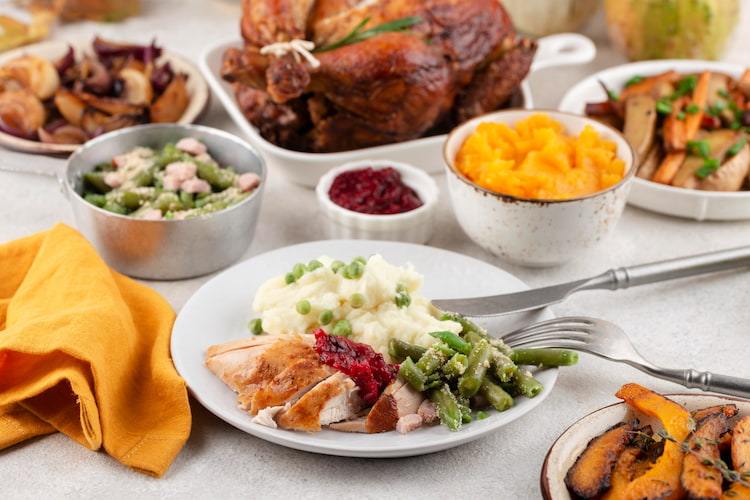
What to eat after wisdom tooth extraction depends on how your mouth is healing, but for the first few days, choose soft foods that require little chewing, such as yogurt, applesauce, mashed potatoes, eggs, smooth soups and smoothies eaten with a spoon. As soreness improves, you can gradually add more solid foods based on comfort and the instructions from your dentist or oral surgeon.
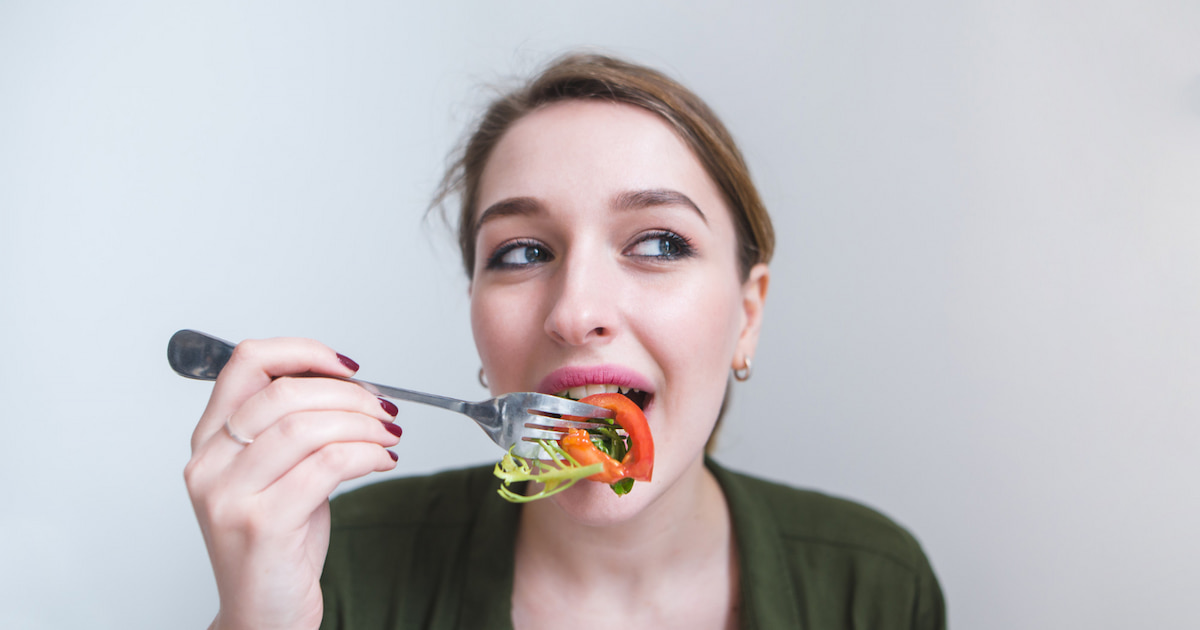
Avoid hard, crunchy, chewy, very hot and spicy foods during early healing. Do not use a straw during the first few days because suction can disturb the blood clot at the extraction site.
Your own post-operative instructions take priority because recovery varies according to the number and position of the teeth removed and how involved the procedure was. For information about the procedure itself, see our wisdom tooth extraction in Newmarket page.
What Can You Eat After Wisdom Tooth Extraction?
Start with foods that are soft, easy to swallow and unlikely to irritate the surgical site. The American Association of Oral and Maxillofacial Surgeons recommends a soft or liquid-based diet during the first few days after wisdom tooth surgery.
| Recovery Stage | Foods That May Be Easier to Eat | What to Avoid |
|---|---|---|
| Day of surgery | Yogurt, applesauce, pudding, smooth cooled soup, smoothies without a straw | Hot foods, crunchy foods, chewing near the surgical site, straws |
| First few days | Mashed potatoes, scrambled eggs, oatmeal, soft pasta, cottage cheese, soft cooked foods | Nuts, seeds, popcorn, chips, hard bread, sticky or chewy foods |
| As soreness improves | Gradually add foods that require more chewing, based on comfort | Anything that causes pain, catches in the socket or requires forceful chewing |
| Later recovery | Return toward your usual diet as the surgical site heals and chewing becomes comfortable | Do not rush back to hard or crunchy foods if the area remains tender |
This is a general guide rather than a fixed schedule. A straightforward extraction may feel different from removal of a deeply impacted wisdom tooth.
Best Soft Foods After Wisdom Teeth Removal
You do not need a special “healing food.” The practical goal is to choose foods that provide nourishment without requiring much chewing or irritating the extraction site.
Yogurt
Smooth yogurt is soft and easy to eat when chewing is uncomfortable. Avoid varieties containing hard granola, seeds or crunchy toppings during early healing.
Mashed Potatoes
Mashed potatoes require little chewing and can be made thinner or smoother if your mouth is particularly sore. Allow them to cool before eating because very hot foods and drinks may irritate the surgical area.
Scrambled Eggs
Soft scrambled eggs are another option during the first few days and provide protein without requiring hard chewing.
Applesauce and Other Smooth Purees
Applesauce and smooth fruit or vegetable purees can be easier to manage than raw fruits and vegetables. Avoid acidic foods if they sting or irritate the extraction site.
Smooth Soups and Broths
Soup can be useful when chewing is uncomfortable, but let it cool to a comfortable temperature first. Avoid soups containing hard pieces, seeds or crunchy toppings during early recovery.
Smoothies
Smoothies can provide an easy way to combine soft ingredients. Drink them from a cup or eat them with a spoon rather than using a straw. Avoid adding seeds, nuts or other small hard particles that may become trapped around the extraction site.
Soft Pasta and Oatmeal
As chewing becomes more comfortable, very soft pasta and well-cooked oatmeal may be easier to add back into your diet. Allow hot foods to cool before eating.

What Should You Eat on the Day of Wisdom Tooth Removal?
After surgery, wait until your dental provider says it is appropriate to eat and until you can do so safely after anaesthesia or sedation. If your mouth is still numb, be careful not to bite your cheek, lip or tongue.
When you are ready to eat, choose foods that can be swallowed with minimal chewing. Examples include yogurt, applesauce, pudding, smooth soup that has cooled, or a smoothie without a straw.
Chew away from the extraction site when possible and stop if eating causes increased pain or bleeding.
What Can You Eat During the First Few Days?
AAOMS recommends maintaining a soft diet during the first few days after wisdom tooth surgery. As the initial soreness begins to improve, you can add foods with slightly more texture.
- Scrambled eggs
- Mashed potatoes or other soft vegetables
- Soft pasta
- Oatmeal that has cooled to a comfortable temperature
- Cottage cheese or yogurt
- Soft fish or other tender foods if chewing is comfortable
You do not need to progress through a rigid food schedule. If a food causes discomfort or requires substantial chewing, wait and try it again later.
When Can You Eat Solid Food After Wisdom Tooth Extraction?
There is no single day when every patient should return to solid food. AAOMS recommends slowly reintroducing solid foods when you feel comfortable, while continuing to avoid foods that irritate the healing site.
How quickly you progress depends on factors such as the complexity of the extraction, swelling, jaw soreness and how the socket is healing. Follow any specific diet instructions given by the dentist or oral surgeon who performed the procedure.
When Can You Eat Crunchy Food After Wisdom Teeth Removal?
Do not rush back to crunchy foods while the extraction site is still tender or collecting food. Nuts, seeds, popcorn, chips and other hard or sharp foods can irritate healing tissues or become lodged in the socket.
There is no universal “safe day” for crunchy food. Reintroduce firmer foods gradually once chewing is comfortable and the surgical area has progressed in healing. If you had a difficult surgical extraction, your dental provider may advise waiting longer.
If you are unsure whether the socket is healing normally, our guide explains how a wisdom tooth hole closes during recovery.
Foods and Drinks to Avoid During Early Healing
Certain foods can irritate the extraction site, require excessive chewing or leave small particles behind.
- Hard and crunchy foods: chips, popcorn, nuts, hard crackers and similar foods.
- Foods with small seeds or hard particles: these can become trapped around a healing socket.
- Very chewy or sticky foods: such as caramels or tough meats.
- Very hot foods and drinks: let soup, coffee or tea cool before consuming them.
- Spicy or acidic foods: these may sting or irritate sensitive tissues.
- Alcohol: avoid it during early recovery and follow your provider’s instructions, especially if you are taking medication.
- Drinking through a straw: suction can disturb the blood clot during early healing.
Can You Drink Milk After Wisdom Tooth Extraction?
For most people, milk and soft dairy foods can be part of a post-extraction diet if they are comfortable to consume. The Canadian Dental Association lists milk and milkshakes among drinks that may be easier to have after oral surgery.
If you drink a milkshake, use a cup or spoon rather than a straw. If you have lactose intolerance, another dietary restriction, or have been given medication-specific food instructions, follow the advice from your dentist, surgeon or pharmacist.
Not all antibiotics have the same food or dairy interactions, so there is no general rule that everyone taking an antibiotic after dental surgery must avoid dairy. Follow the directions supplied with the specific medication you were prescribed.
Can You Drink Coffee After Wisdom Tooth Extraction?
Avoid very hot coffee during early healing. The Canadian Dental Association advises avoiding hot liquids after oral surgery because heat can increase blood flow and may restart bleeding.
If your dentist or oral surgeon has not advised otherwise, wait until the drink has cooled to a comfortable temperature and avoid using a straw.
How Should You Eat Without Disturbing the Extraction Site?
- Take small bites and eat slowly.
- Chew away from the surgical site when possible.
- Do not probe the socket with your tongue, fingers or utensils.
- Drink directly from a cup rather than through a straw.
- Let hot foods and drinks cool before consuming them.
- Follow any additional instructions supplied by your dentist or oral surgeon.
What If Food Gets Stuck in the Wisdom Tooth Hole?
Do not dig into the socket with a toothpick, finger or other object.
During the first 24 hours after oral surgery, the Canadian Dental Association advises against rinsing the mouth. After the first 24 hours, gentle rinsing with warm water may be appropriate, and your dentist or oral surgeon may recommend adding salt.
Later in recovery, some patients are given an irrigation syringe to remove food debris from the extraction site. Only use one if your dental provider has told you when and how to use it.
If food repeatedly becomes trapped, the socket is painful, or you are concerned about the blood clot, see our guide to the blood clot after tooth extraction or contact your dentist.
What If You Accidentally Eat Something Hard?
Eating one hard food does not automatically mean that you have damaged the extraction site. Stop chewing on that area and pay attention to how it feels.
If you are still within the first 24 hours, do not rinse aggressively. After 24 hours, gentle rinsing may help remove loose food particles if your post-operative instructions allow it.
Contact your dentist or oral surgeon if you develop significant bleeding, severe or increasing pain, worsening swelling or another symptom that concerns you.
When Should You Contact Your Dentist?
Diet questions are common after wisdom tooth removal, but worsening symptoms should not be managed by changing foods alone.
- Bleeding that remains heavy or cannot be controlled as instructed
- Severe or increasing pain
- Swelling that continues to worsen
- Fever
- Difficulty eating or drinking enough to stay hydrated
- Any symptom that is significantly different from the post-operative instructions you were given
For urgent dental concerns, see our emergency dentist in Newmarket information.
Frequently Asked Questions
How soon can I eat after wisdom tooth removal?
Follow the instructions from the dental team that performed your procedure, particularly if you had sedation or anaesthesia. Once you have been told it is safe to eat and you can do so without biting numb tissues, start with soft foods that require little chewing.
What are the best foods for the first day?
Soft options such as yogurt, applesauce, pudding, smooth cooled soup and smoothies without a straw are commonly easier to eat during early recovery.
When can I eat normally after wisdom teeth removal?
There is no fixed day that applies to everyone. Gradually add more solid foods as chewing becomes comfortable and follow your dentist or oral surgeon’s instructions. More involved extractions may require a longer period of dietary modification.
Can I eat rice after wisdom tooth extraction?
Small grains such as rice can become trapped in a healing socket, particularly during early recovery. Softer foods without small particles may be easier at first. Reintroduce rice when the site has progressed in healing and you can clean the area according to your provider’s instructions.
Can I eat ice cream after wisdom tooth removal?
Soft ice cream can be easier to eat during early recovery if cold foods are comfortable for you. Avoid hard mix-ins such as nuts, candy pieces or seeds.
Can I drink a smoothie after wisdom tooth extraction?
Yes, a smooth smoothie can fit a soft-food diet, but drink it from a cup or use a spoon rather than a straw. Avoid seeds or hard ingredients that may become lodged in the socket.
Can I drink milk after wisdom teeth removal?
Milk is generally a soft, easy-to-drink option after oral surgery. If you have been prescribed medication, follow its specific food and drink instructions rather than assuming that all antibiotics interact with dairy.
When can I eat chips or popcorn again?
There is no universal date. Hard, crunchy foods should be avoided while the surgical site remains tender or is still easily trapping food. Add them back gradually once healing has progressed and chewing is comfortable, or follow the timeline given by your dental provider.
Questions About Eating After Wisdom Tooth Removal?
If eating is becoming more difficult instead of easier, food repeatedly becomes trapped in the extraction site, or you develop increasing pain, bleeding or swelling, Eagle Family Dentistry can assess the healing area and discuss the appropriate next step.
Sources and Further Reading
- American Association of Oral and Maxillofacial Surgeons: What to Eat After Wisdom Teeth Removal
- American Association of Oral and Maxillofacial Surgeons: Wisdom Tooth Extraction Postoperative Instructions
- Canadian Dental Association: Care After Minor Oral Surgery
- HealthLink BC: Wisdom Tooth Extraction