
How a Cosmetic Dentist Can Transform Your Smile: Procedures and Benefits

A beautiful smile can light up a room and has a key role in increasing your confidence. But what if you’re not completely happy with your smile? This is where you can get help from a cosmetic dentist. Cosmetic dentistry is all about improving the appearance of your teeth and restoring their natural beauty if they’re discolored, chipped, uneven, or have gaps. In this blog, you’ll learn about how a cosmetic dentist helps revive your smile’s beauty, as well as other additional benefits it brings. 5 Ways That a Cosmetic Dentist Can Transform Your Smile A cosmetic dentist is equipped with different techniques, tools, and required knowledge to enhance the appearance of your teeth. They can revive the beauty of your smile in 5 ways, as explained below. 1. Reviving Your Smile with Teeth Whitening All of us are susceptible to experiencing dental discoloration, even those who stick to good oral hygiene, making it inevitable during our lifetime. This is why teeth whitening services have become so popular over the past decade. This treatment can quickly remove stains and discoloration caused by coffee, tea, smoking, or aging. You can use various teeth whitening kits to make your smile brighter at home. However, professional teeth whitening treatments are stronger and more effective than over-the-counter options, providing you with a brighter, whiter smile in just one visit. 2. Covering Damaged Teeth Using Dental Veneers Veneers are thin, custom-made shells that cover the front surface of your teeth. They are ideal for correcting chipped, cracked, or uneven teeth and can also be used to close gaps between teeth. Nowadays, several materials are available to create dental veneers. But if you want to achieve the most natural-looking results with the highest durability, porcelain dental veneers can be the right option. Our dentists use this type to: Hide teeth damage Cover fractures and discoloration Correct alignment issues 3. Hiding Dental Flaws with Dental Bonding If your cosmetic dentist recommends dental bonding, they mean you need a tooth-colored resin to fix minor imperfections such as small chips, cracks, or gaps. It’s a quick and affordable solution that can usually be completed in one visit. Bonding can also be used to reshape teeth, which improves the overall appearance of your smile. 4. Invisalign or Clear Aligners In case you want to straighten your teeth, but don’t like to use traditional braces, clear aligners like Invisalign are a great option. These nearly invisible trays gradually shift your teeth into their proper position. They also correct your crooked teeth, overcrowding, and gaps. One of the most important advantages of Invisalign treatment is that you can remove them anytime you want. Therefore, you can eat, drink, and clean your teeth easily. 5. Dental Implants Although cosmetic dentistry offers various solutions to replace lost teeth, most skilled dental experts recommend their valued patients replace them with teeth implants. This advanced tooth replacement treatment can restore your powerful chewing ability for a lifetime. Dental implants are titanium posts surgically placed into the jawbone. There, they will fuse with the bone to provide a strong foundation for a crown or bridge. Dental implant services are even more effective as they maintain the structure of your jaw and prevent bone loss, as well as restoring your teeth’ appearance. Benefits of Cosmetic Dentistry for Your Smile Making your smile more beautiful and boosting your confidence aren’t the only benefits of cosmetic dentistry; it also brings other advantages that can positively impact your overall well-being. Improving Your Oral Health in General Many cosmetic dental procedures also lead to better oral health. For example, straightening crooked teeth with clear aligners can make it easier to clean between your teeth, reducing the risk of cavities and gum disease. Likewise, replacing missing teeth with implants can prevent bone loss. Long-lasting results, Lower Future Expenses Cosmetic dental treatments are designed to be durable and long-lasting. Many of the procedures of whitening your teeth, veneers, or dental implants lead to results that can last for years. With proper care, they can even last for decades. This longevity means you can enjoy the benefits of a beautiful smile for a long time without frequent maintenance and lower treatment expenses. Offering Quick and Minimal Pain Solutions Many cosmetic dental procedures also lead to better oral health. For example, straightening crooked teeth with clear aligners can make it easier to clean between your teeth, reducing the risk of cavities and gum disease. Likewise, replacing missing teeth with implants can prevent bone loss. It’s All the Way You Want! Another benefit of cosmetic dentistry is that it allows you to choose treatments that best suit your needs and goals. Your cosmetic dentist will work closely with you to create a tailored plan that addresses your concerns about fixing a single tooth or undergoing a complete smile makeover. This customized approach helps you work toward the smile you want. How to Choose the Right Cosmetic Dentist It may seem tricky to find a cosmetic dentist to confidently leave transforming your smile to. The good news is that there are several steps you can take to find the right dentist. Follow each step one by one to make sure you can find your ideal cosmetic dentist. Look for a dentist who is certified in cosmetic dentistry and has extensive experience in performing the procedures you’re interested in. Check their credentials on their website or through professional organizations. Ask to see before-and-after photos of previous patients who have undergone similar treatments. Check online reviews and testimonials from previous patients to learn about their experiences with the dentist. Many cosmetic dentists offer consultations where you can discuss your goals, ask questions, and learn about the treatment options available. This is a great opportunity to evaluate the dentist’s approach. Compare prices from different dentists and make sure you’re aware of what is included in the quoted price. Visit the office to ensure it feels clean, welcoming, and comfortable. What to Expect During Dental Cosmetic Procedures During your first visit,
Top 7 Signs You Need to See a Dentist
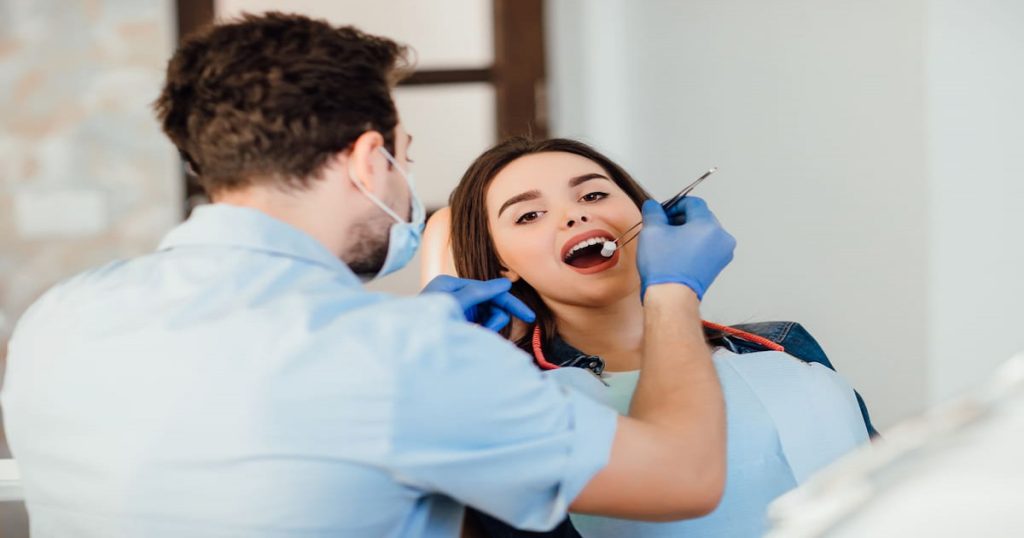
It goes without saying that regular dental checkups are crucial for maintaining your oral health. However, sometimes, it can be hard to know when it’s time to see your dentist for dental exams between those scheduled visits. The good news is that there are several dental checkup signs that you need to keep an eye on. Recognizing these signs can help you address issues before they become serious. In this blog, we’ll introduce the seven most important signs that signal it’s time to book an appointment with your dentist. What Are Common Dental Checkup Signs? Some dental problems may come and go without the need to visit a dentist. However, distinguishing between these simple problems and the ones that can lead to more serious consequences may be hard. Therefore, it’s important to recognize the signs you need to take seriously and seek urgent dental care by visiting your dentist as soon as possible. 1. Toothaches That Don’t Go Away A persistent toothache is more than just a minor discomfort but rather a sign of an underlying issue such as tooth decay, gum disease, or an abscess. If the pain continues for more than a few days or worsens over time, it could be a tooth emergency, and it’s important to see a dentist to determine the cause and receive appropriate treatment. Ignoring a toothache can lead to more severe complications and potential tooth loss. 2. Consistent Bad Breath Occasional bad breath can be a result of diet or temporary factors. However, if it’s persistent, it may indicate a more serious dental problem. It could be caused by gum disease, tooth decay, or even a respiratory infection. If you notice that your bad breath doesn’t go away despite good oral hygiene, a visit to the dentist can help identify and address the root cause. 3. Swollen or Bleeding Gums Bleeding gums, especially when brushing or flossing, can be a sign of gingivitis or more advanced gum disease. Furthermore, if your gums are swollen, you may have an infection or inflammation. These conditions can lead to gum recession and tooth loss if not treated promptly. When you visit your dentist, they can diagnose the severity of gum disease and provide treatments to help restore gum health and prevent further issues. 4. Sensitive Teeth If you feel pain or discomfort when having hot, cold, or sweet foods and drinks, it’s a good idea to consult with your dentist. Always remember that your teeth don’t get sensitive to certain foods for no specific reason. It can be a sign of worn enamel, gum recession, or even cavities. 5. Loose Teeth As an adult, your loose teeth can result from a serious dental issue, like an infection. A dentist can evaluate the stability of your teeth and recommend treatments to restore your oral health. On the other hand, loose teeth are a common sign of teeth growth in children. However, it pays off to have regular pediatric dentistry visits to make sure their teeth are healthy. 6. Clicking or Popping Jaw If you’ve noticed your jaw making clicking or popping sounds when opening or closing your mouth, it’s better to address it with a dentist. It can be a problem with your temporomandibular joint (TMJ). A dentist knows how to assess your jaw’s condition and recommend treatments or therapies to remove symptoms and improve jaw function. 7. Sores or Ulcers in the Mouth If you have persistent mouth sores or ulcers, it’s important to see a dentist to determine the cause and receive appropriate treatment. Sores or ulcers that last for a day are not concerning. However, if they persist for more than a couple of weeks, it can be a sign of various conditions, including infections, oral cancers, or systemic health issues. Our Friendly and Experienced Dentists Are Always Ready to Give You a Hand!At Eagle Family Dentistry, we have a team of dentists with years of experience treating all types of dental issues. Please don’t hesitate to contact us if you notice any of the signs. Call Us Now at (905) 836-6111 What Happens If You Skip Regular Dental Visits? Skipping dental checkups might not seem like a big deal at first, but small problems like tiny cavities or early gum issues can get worse fast if you don’t get them checked. What starts as something minor can turn into serious tooth decay, painful infections, or even tooth loss. In some cases, these can quickly turn into a tooth emergency that needs immediate attention. On top of that, skipping cleanings lets plaque and tartar build up, which can lead to gum disease, bleeding gums, bad breath, and loose teeth. Also, when you don’t see your dentist regularly, you miss out on helpful advice that can keep your smile in great shape. They can catch things early, recommend simple treatments, and share tips to improve your daily oral care. Remember, your good dental condition positively affects your life by increasing your self-confidence with a beautiful smile, preventing dental emergencies, and saving money by preventing further dental or even cosmetic treatments. How to Prevent Dental Issues? Now that you’re aware of potential dental problems, you may be seeking ways to prevent them. Here are a few tips to help you. Final Word The key to avoiding dental problems is taking care of your dental health. A dentist helps you detect dental issues early and prevent other serious problems that can even affect your overall well-being. Don’t forget that keeping an eye on dental checkup signs and putting in a little effort each day can make a big difference in your dental health. If you’re looking for a caring and professional dental team to help you maintain your oral health, visit us at Eagle Family Dentistry. Our team will provide you with dental care and personalized treatments. Schedule your appointment today and address your dental issues quickly and properly. FAQs
Baby Teeth and Early Oral Care
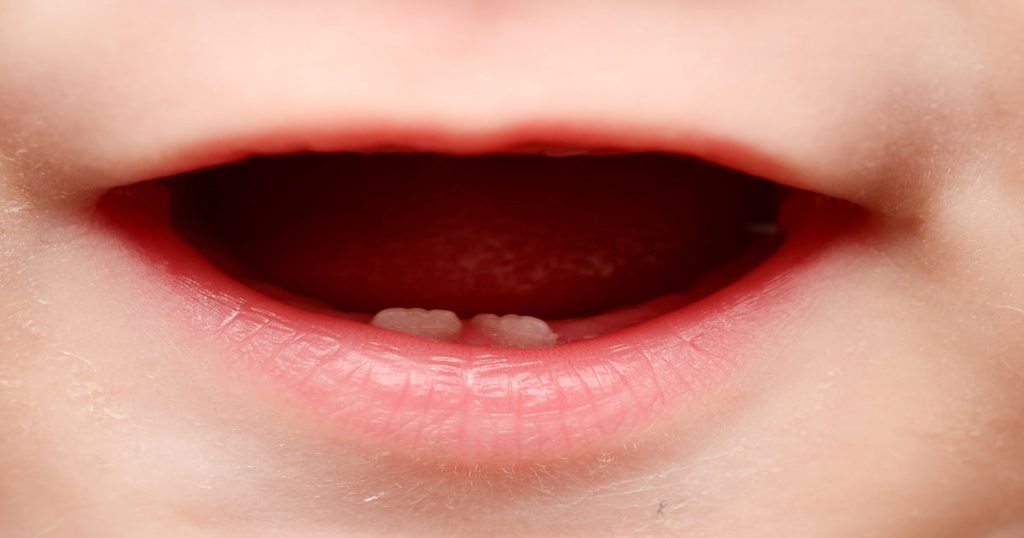
Early childhood is the starting point for building a lifelong of happy, healthy smiles. Therefore, it is crucial to give your child a healthy headstart to their oral health adventures. At Eagle Family Dentistry, we know that baby teeth are important and impact the health and development of adult teeth in many ways. Here, we will take you step by step through the basics of health care for baby teeth, talking about the problems you may face and the best practices to ensure the health of your baby teeth. Why Baby Teeth Matter Primary teeth, or baby teeth, are essential not only for your child’s oral health but also for their overall development. Baby teeth serve significant purposes, such as helping with proper chewing and nutrition, helping in speech development, and holding the space for permanent teeth. Moreover, baby teeth support the growth of the jaw and facial muscles and keep the room that the adult teeth need for growing straight. By protecting your child’s baby teeth, you not only help in their overall health but also promote their confidence. Development and FunctionFirst of all, baby teeth are critical for your baby’s development. They help him chew properly and get the nutrition to grow, talk well, and hold space for adult teeth. If a child doesn’t have healthy baby teeth, they miss essential benefits, leading to potential long-term problems. Jaw and Facial StructureBaby teeth help your jaw and facial muscles, chewing, and overall development. They ensure there is enough space necessary for adult teeth to develop. If baby teeth are lost early due to decay or injury, their permanent teeth may not align properly. Self-Esteem and ConfidenceHaving healthy baby teeth can improve your child’s confidence. A healthy, beautiful smile helps to create social encounters and a positive self-image. Untreated decay or gum disease can be painful and affect a child’s health. Common Baby Teeth Problems Children often experience oral health problems with baby teeth that can affect the health of their permanent teeth later on. Issues like tooth decay, usually from repeated exposure to sugary drinks, can cause cavities and premature loss of teeth. Teething is a natural process but can be uncompromising, bringing discomfort to the little ones and the parents. Early loss of baby teeth due to decay or accidents can lead to misaligned permanent teeth and the risk of needing orthodontic treatment. By understanding these problems and how to treat them, you can keep your child’s smile in great shape. Good oral care practices can save many bothers that may become permanent oral diseases. Tooth decay is a significant concern due to the long-term consumption of sugary beverages like milk and juice. The bacteria will create acids that weaken our teeth, enamel, cavities, and sensitivity. Also, maintaining a clean and healthy mouth through proper brushing, flossing, regular dental visits, and a balanced diet can reduce your child’s risk of tooth decay. BabyCenter explained that teething is difficult for babies and parents with fussiness, swollen gums, and drooling. The majority of these symptoms are not life-threatening. However, they can be unpleasant. It can be helpful to seek advice from your dentist if you need help dealing with sore gums. Premature loss of baby teeth may also damage the later eruption and development of permanent teeth. Ensure your child avoids hard foods and uses protective gear during sports that could prevent trauma that causes early tooth loss. Also, early detection and elimination of oral habits such as thumb sucking are essential to avoid dental problems in the future. Brushing and Flossing for Babies Building the habit of brushing and flossing is essential to maintaining your baby’s permanent oral health. The earlier you begin oral care, the better you can prevent cavities, gum disease, and other dental problems. Cleaning your baby’s gums before the first tooth appears is a basic oral hygiene routine. Once teeth erupt, you can use a baby toothbrush. When teeth are close together and touching, you should floss, making sure to get the floss between all teeth. By incorporating these daily habits, you are setting the foundation for your child to keep a healthy smile for the future. When to Start Brushing You should wait until the first tooth has emerged to start cleaning your baby’s mouth. After feedings, wipe their gums with a soft, damp cloth. After the first tooth erupts, switch to a baby toothbrush with soft bristles and a small head for infants. Proper Brushing Technique Gently brush your baby’s teeth twice daily with a small amount of fluoride toothpaste. Use small brushes with a gentle circular motion to cover all areas of the teeth. Turn toothbrushing time into fun, creating a positive memory and a necessary habit. Introducing Flossing Begin flossing as soon as your baby has two teeth that touch. Gently floss between your teeth with flexible floss. This will remove all the food particles and plaque the toothbrush cannot reach and help prevent gum disease and tooth decay. Safe Habits for Healthy Teeth Practicing good habits for your child’s well-being will help avoid dental issues. One way to do this is to reduce sugary drinks that cause cavities. In addition to the nutrients that are good for developing teeth found in fruits, vegetables, and cheese, snacking on these types of food can keep teeth clean. Finally, pacifiers are calming for little ones, but over time, they can affect dental growth. These practices will help keep your child’s teeth strong and healthy. Avoid Sugary DrinksKeep sugary drinks, such as juice and soda, to a minimum. Patients with frequent exposure to sugars are more likely to have cavities. The only things you should drink are water or milk for the sake of your dental health. Healthy SnackingProvide your toddler with fruit, veggies, and cheese for snacks instead. Not only because of the nourishment, but they are also valuable in cleaning the teeth properly. Please avoid
Popular Restorative Dental Treatments You May Find Interesting

People with missing, broken, or stained teeth can restore their oral health and confidence with Restorative Dental Treatment. A precise look at your needs and preferences and learning more about restorative treatments can empower you to make the decision that suits you best. In this blog, we are going to explore the world of restorative treatments, from fillings to implants. Each dental procedure has particular advantages and downsides. So, we are here to shed light on your decision-making path and help you choose your proper treatment. What We Offer at Eagle Family Dentistry for Restorative Dental Treatment At Eagle Family Dentistry, you can find any dental services you need under one roof. Our dental professionals prioritize your dental health and offer you comprehensive dental services. Dental Fillings Are Ready to Restore Your Tooth Decay! Our professional dentists use dental fillings to restore your damaged teeth under local anesthesia and during a precise process. They prevent tooth decay progression and restore the broken tooth structure. These strong and cost-effective options can be categorized into three types: 1. Amalgam Fillings: Amalgam fillings have a long history and have been used for many years. This type of filling is a combination of silver, tin, copper, and mercury are used to make them. They might not be as aesthetically beautiful as other solutions, but they are reasonably priced and strong enough to resist chewing pressures. 2. Composite Fillings: These fillings are composed of a resin material that perfectly mimics the color of your teeth and gives your smile a natural look. In this method, your dentist usually removes less of your healthy teeth structure. Additionally, composite fillings are more usually pleasing than amalgam. So, at the end of treatment, you can return to your home with a fresh, healthy, and natural-looking smile. 3. Porcelain Fillings: Often referred to as inlays or onlays, porcelain fillings are crafted in a dental lab to match your real teeth’ appearance. Many individuals prefer to choose them due to their particular qualifications, such as aesthetics and durability. Dental Crowns: Protecting and Strengthening Damaged Teeth Dental crowns are tooth-shaped caps that encircle your tooth to restore its shape, strength, and appearance. They are applied to damaged teeth and are great protectors for weaker teeth due to their durability, strength, and long lifespans. Crowns can be made from various materials: 1. Porcelain Crowns: These crowns are renowned for their natural-looking appearance and ability to resemble the real color shade of your teeth. They offer great aesthetics and are appropriate options, especially for front teeth. 2. Ceramic Crowns: Like porcelain crowns, they are great options for front teeth because they are aesthetically pleasing. Many individuals prefer to choose them because they are biocompatible and long-lasting. 3. Metal Crowns: This type of crown is typically crafted from stainless steel or gold. They are extremely strong and resilient and endure chewing pressures well. It’s better to use them for more invisible parts of your mouth because they are less aesthetically pleasing than porcelain or ceramic crowns. Dental Bridges: Replacing Missing Teeth and Restoring Functions Dental bridges can help you recover your smile and chewing ability if you have missing teeth. They are made up of one or more pontics, or artificial teeth, that are secured in place by dental crowns that are affixed to nearby natural teeth or dental implants. Bridges can significantly enhance your appearance by closing your teeth gaps and maintaining their alignment. Read More: What Are Tooth Bridges and How Do They Work? Different Types of Dental Bridges Dentures and Dental Implants: Your Great Options to Restore Your Sparkling Smile. Dental Implants Dental Implants are prosthetic structures surgically placed in your jawbone. Their realistic appearance, durability, long lifespan, and convenience make them a perfect treatment option for most individuals. They also preserve your facial structure and prevent bone loss. Dental implants have various benefits that set them apart from their competitors: Read More: Dental Implants vs. Dentures: What’s the right fit for you? Dentures Have you lost your teeth because of trauma, disease, or ageing? It’s time to introduce your proper solution: dentures! Dentures, also known as false teeth, have multiple advantages, including: Different Types of Dentures 1. Complete Dentures: They can replace the rest of your upper and lower teeth. You may feel slight discomfort after using them. However, most of the individuals feel comfortable with wearing them over time.2. Partial Dentures: If you haven’t lost all your teeth yet, partial dentures might be a suitable option for you. They can maintain your teeth’ alignment and fill the gaps between them.3. Implant-supported Dentures: These dentures are fixed to dental implants. They can be a great solution if you have lost most of your teeth and are looking for a sturdy and long-lasting option to restore your oral functions. Why Eagle Family Dentistry? At Eagle Family Dentistry, you can find a wide range of dental services, especially restorative procedures.We have gathered the most experienced and professional dentists here. So you can trust their knowledge and expertise with peace of mind. We do our best to reduce your dental anxiety and create a good memory for you by creating a warm, friendly, and positive environment. We believe that we must update our knowledge and equipment. So, all dental procedures are performed using modern methods and technologies. We welcome you to visit Eagle Family Dentistry for your restorative care. Book your appointment today to discuss your restorative treatment options. FAQs
Effective Ways an Experienced Dentist Can Change Your Smile

Everyday life tends to expose teeth, so some gnarly wear and tear. It explains why people visit cosmetic dentists even with the best oral hygiene routine ever. Furthermore, dental traumas can occur unexpectedly, making you significantly overwhelmed and anxious. Such conditions negatively impact the appearance of your smile, which isn’t pleasant at all. At Eagle Family Dentistry, our team is ready to help you with dental care services to enhance your smile! No matter what the reason is, your cosmetic dentist can find the most effective way to create a fresh look for your teeth. Therefore, you must be careful when choosing your cosmetic dentist, as it’s necessary that they are experienced and skilled enough to treat a dental problem with sophistication. The level of your dentist’s education and expertise can change the game and give you different results. Nowadays, most cosmetic dentists are reliable and can provide you with the most popular cosmetic dental treatments to transform your impression. Here, we explain ways a cosmetic dentist may use to give you your dream smile! Beyond Aesthetics: The Comprehensive Benefits of a Renewed Smile A beautiful smile is definitely attractive, but its impact extends far beyond mere aesthetics. A smile makeover can significantly influence various aspects of your life, including your general health, relationships, and self-esteem. Let’s delve into the myriad benefits of possessing a beautiful smile that transcends appearance. Improved Oral and General Health First and foremost, having a visually pleasing smile enhances your oral health. Conditions such as cavities, gum disease, and tooth loss are far less likely when your teeth are correctly aligned, free from decay, and well-maintained. By investing in both restorative and cosmetic dental care, you can enjoy the long-term benefits of a healthy, functional smile. Moreover, having a refreshed smile can also boost your general health and potentially increase your lifespan. Poor oral health is associated with several general health issues, including diabetes, heart disease, and respiratory infections. By maintaining good oral hygiene and regular dental check-ups, you can mitigate the risk of these serious health conditions and enhance your overall health and well-being. Enhanced Mental Health and Social Connections A confident smile profoundly impacts your mental health and self-worth. Smiling triggers the release of endorphins, the “feel-good” hormones, which promote a sense of well-being and reduce stress. A new smile can significantly improve your self-image, elevate your confidence, and foster a greater sense of positivity and self-assurance in both personal and professional realms. Furthermore, a beautiful smile can enhance your relationships and social interactions. A person with a warm, welcoming smile is often perceived as approachable and friendly, facilitating easier connections with others and the formation of meaningful relationships. A genuine smile can make a lasting impression and aid in fostering positive interactions, whether in social settings, at work, or in everyday life. The Power of a Smile Makeover: Exploring Your Options with a Trusted Dentist A smile makeover is a magical journey towards redesigning your smile. It allows a cosmetic dentist to craft a unique blend of treatments tailored to transform your appearance and enhance your overall wellbeing. This process involves combining various cosmetic procedures, each designed to correct specific dental imperfections, under the guidance of a skilled dentist. Tailored Treatment Plans for a Unique Smile The first step in achieving your dream smile is consulting with a trusted dentist who understands that every smile is unique. They will develop a precise and personalized treatment plan after carefully assessing your oral health and discussing your aesthetic goals. Whether your aim is to brighten your smile with teeth whitening, repair chips or cracks with dental bonding, conceal imperfections with veneers, or align your teeth through orthodontics, a knowledgeable dentist is key to navigating this journey successfully. Your dentist will not only focus on the cosmetic enhancement of your smile but will also address any functional issues, ensuring that your makeover improves both the beauty and health of your mouth. They can repair or replace damaged teeth with solutions like dental implants, thereby restoring your smile’s functionality. Beyond Aesthetics: Health and Confidence Restored Embarking on a smile makeover journey can profoundly impact more than just your appearance; it can elevate your confidence and contribute positively to your general health. With the support of a skilled dentist and a customized smile makeover plan, you will not only achieve a smile that looks great but one that is healthy and functional. This comprehensive approach ensures that the benefits of your smile makeover extend beyond the surface, offering a boost in confidence and happiness that comes from having a beautiful and healthy smile. Transforming Your Smile: Popular Procedures and Their Advantages In the quest for a radiant smile, understanding the available dental procedures and their benefits is crucial. At Eagle Family Dentistry, we explore the transformative power of popular dental treatments and their advantages. Teeth Whitening: Brightening Your Smile for a Radiant Look You need to try a teeth whitening treatment if you are looking for a simple, effective, and quick solution to restore the shine of your smile. Stained and discolored teeth don’t look good when you smile, making you feel significantly embarrassed about yourself. Your cosmetic dentist performs a professional oral cleaning before whitening your teeth, making the procedure safer and more effective! Bridging the Gap: Restoring the Missing Teeth with Dental Bridges One of the most popular tooth replacement options is dental bridges. If you have a few missing teeth, you can choose to have tooth bridges to restore your smile and oral health. Bridges are basically artificial teeth placed between two dental crowns to replace missing teeth. If you want an easier way to replace missing teeth than implants, you may be a good candidate for dental bridges. Dental Implants: Replacing Missing Teeth for an Authentic Smile These days, replacing missing teeth with dental implants is significantly popular. A titanium post will be placed into your jawbone during the implant surgery, acting as an artificial root covered by a crown later. Dental
Are Dental Bridges For Missing Tooth Right for You?

If you suffer from lost teeth, it’s time to consider a reliable solution in order to restore your smile. Losing one or more teeth is a very serious issue that you need to handle as soon as you can. Otherwise, it can lead to more severe complications and painful problems you don’t want to ever experience. Fortunately, there are many options available to replace a few lost teeth effectivity and keep your smile impression still natural. It’s highly recommended to visit our professionals at Eagle Family Dentistry to learn about these options and understand which one of them suits your needs well. Stay with us through this article to find out all about tooth bridges and whether you should consider getting them. Bridge the Gap: The World of Dental Bridges for a Natural-Looking Smile As the name suggests, dental bridges are artificial tooth replacements that make a bridge between your healthy teeth to fill in the gap made by your missing ones. Typically, bridges are less known than implants or dentures, but they are an amazing choice to replace one’s lost teeth as well. You can benefit from these dental saviors in different ways. A dental bridge can enhance both the function and aesthetics of your smile. What Are The Main Pros Of Dental Bridges? You achieve a significantly natural-looking smile. You prevent tooth misalignment, so you won’t need complex orthodontic treatments later. You can regain your biting and speech abilities and be more confident. Dental Bridges Offer A Wide Choice Dental bridges come in various types. This feature alone makes them better suited for your wide-ranging dental needs. Based on the condition of your teeth and your treatment goals, an expert recommends one of these options: Implant-supported Bridges: This type of bridge uses titanium implants for support and protection. An implant post is inserted inside the jawbone to support a bridge that comes on top. It takes more time compared to other options as you need to be patient until the implant fuses with your bone and your gums get completely healed after getting dental implants. Maryland Bridges: They use metal wings applied to the back surfaces of the teeth in order to secure bridges in their places. This type is usually used to replace missing teeth on the front, not the back. Traditional Bridges: This is the most prevalent type, which is composed of dental caps on both ends with pontics in between. Cantilever Bridges: Cantilever bridges are like traditional ones, but the difference is that they only have one supporting tooth to hold them up instead of two. They are used when there is only one tooth nearby that can hold the bridge up. The Structure of a Bridge A dental bridge is made up of several parts: Pontic Abutment Crowns Connectors Framework (Optional) So, let’s see how each of these parts works. A pontic is the visible part of the bridge that looks like a natural tooth in terms of its shape, color, and size. The pontic is placed in the space where the missing teeth used to be. You might wonder what an abutment is. These are the real teeth that are next to the space of the missing tooth. The function of these abutment teeth is to hold the bridge in place. To prepare them for this purpose, the teeth are reshaped, and some of their enamel is removed so that dental bridges can fit. Next, we have the crowns. Crowns go above the abutment teeth to hold the bridge in place. These caps are made to fit perfectly over the teeth, which keeps the pontic stable and supports it. To make the bridge stable, it is connected to crowns by pieces called connectors. Connectors may be rigid or moveable, and They are made of metal, porcelain, or other materials. Sometimes, especially with Maryland bridges, a metal or ceramic framework can be used to hold the pontic in place instead of dental crowns. This framework is glued to the backs of the teeth next to it, which doesn’t change their structure much. Beyond Aesthetics: The Functional Benefits of Replacing Missing Teeth Dental bridges not only make your mouth look good, but they also make you feel good. In addition to improving the way your smile looks, bridges have several functional benefits. They can recover chewing and speaking abilities, and you will be able to do these normally. Your face will also look normal because bridges keep other teeth from changing their positions. With bridges, the chewing force is distributed on teeth evenly, so they prevent neighboring teeth from being damaged. Finally, they reduce the risk of tooth decay since they fill the gaps where food particles can get trapped. How To Take Care Of Tooth Bridges? Just like your natural teeth, you need to take care of your bridges carefully to keep them functional and shiny. The average type of bridge can last 5 to 15 years if you maintain it correctly. However, they may even last longer if you hold a flawless oral hygiene routine and follow these guidelines: Be certain to brush your teeth twice a day and floss them as well. Visit an expert for recurring teeth cleaning every six months. Use special types of floss to clean unreachable areas around your bridge. Don’t chew hard things; your teeth aren’t a tool. Wear a custom mouthguard if you play sports or grind your teeth. The Perfect Candidate: Assessing Your Suitability for Bridgework If you want to find out whether you’re a good candidate for dental bridges, you need to consider a number of factors. These include your oral health, dental history, and treatment goals. Here is a thorough guide to assist you in deciding whether a dental bridge is the suitable restorative option for you: Is Your Oral Health In Good Condition? Before getting dental bridges, you should make sure that you don’t have oral problems like gum disease, tooth decay, or oral infections. In case these problems exist,
Dealing with Dental Emergency Problems: Your Complete Guide

A sudden severe pain, bleeding gums, a tooth fracture right before an important occasion – How should we handle these unexpected dental problems? Visiting an emergency dentist is the answer! Emergency dental issues might happen for all of us, at any time during the day. Having sufficient knowledge and information about handling this situation can significantly change the outcome of your tooth, oral health, and overall well-being. Today we are going to provide you with a complete guide on dental emergency signs, preventative tips, and home- remedies to handle the dental emergency problems effectively. So, join us until the end for a complete understanding. What Are the Common Dental Emergencies and How to Handle Them Being informed about common dental emergencies helps reduce the risk of further damage. Here, we have mentioned the most common dental emergency issues and discussed ways to handle them. Let’s check them out! Toothaches and Pain Relief Options If you feel severe and permanent toothache, you should know that it can be a sign of a serious issue such as infection, which needs to be addressed immediately. First, you should contact your emergency dentist as soon as possible. However, for temporary pain relief, using over-the-counter painkillers can help minimize the pain. Knocked-Out or Dislodged Teeth: What to Do Immediately If your tooth is completely dislodged from its socket due to an accident or other unexpected issues, you should immediately visit your dentist. Keep in mind that you should pick up your knocked-out tooth from its crown and try to place it back into its socket. If your attempt doesn’t succeed, keep the dislodged tooth in a container filled with milk or saliva and get to the dentist as soon as you can. Cracked or Broken Teeth: Emergency Care Tips A cracked or broken tooth might happen because of an accident, trauma, or excessive pressure. Depending on the severity of the cracks or breaks, it may cause pain, injury, or infection. If you feel severe pain, use painkillers to reduce discomfort. Rinse your mouth with warm water, protect the broken teeth, and visit your dentist immediately. When to Seek Professional Help for a Dental Emergency Seeking professional help for a dental emergency is a key factor in maintaining your oral health and overall wellness. However, to take the right action, you should be aware of the signs of serious dental emergencies. Signs of a Serious Dental Emergency Why Does Timely Treatment Matter? You should keep in mind that prompt action and timely treatment play a crucial role in keeping your smile healthy and beautiful. Your dentist can immediately relieve your pain and address the dental emergency before worsening. So, contact the emergency dentist right after noticing signs of dental emergency problems. What to Expect During an Emergency Dental Appointment The emergency dentist examine the damaged area initially. They might ask you to take X-rays for better examination. They use temporary solutions to relieve your pain and discomfort by giving you painkillers or over-the-counter products. Based on the assessments, they perform your required treatment procedure and tell you what to do for aftercare to prevent further damage. Trust Our Professional Team If you have noticed signs of a dental emergency and looking for a trustworthy dentist to see immediately, we are here for you at Eagle Family Dentistry. Our dental professionals and caring staff are well-trained and can restore your smile. Tips for Preventing Future Dental Emergencies To prevent dental emergency problems, you should follow some simple tips. Including: Can You Use Home Remedies for Minor Dental Issues? Besides professional treatments, sometimes home remedies and over-the-counter products can help patients relieve their pain and control the symptoms of their dental emergency problems. However, you should keep in mind that the effects of home remedies are temporary. To address the root causes of a dental emergency, you should contact an emergency dentist as soon as possible. What are Temporary Solutions for Toothaches and Sensitivity? If you are experiencing toothache and sensitivity, you can reduce the discomfort before getting to the dentist. Below, we are going to take a quick look at the temporary solutions for toothaches and sensitivity: Over-the-counter products like Iboprufens can minimize pain and inflammation. Applying a cold compress on your cheek can numb the painful area and reduce swelling. Additionally, using toothpaste for sensitive teeth is useful for people who have sensitive teeth. How to Manage Swelling and Inflammation at Home Swelling or inflammation can cause discomfort. Applying a cold compress on your cheek for 15 to 20 minutes can numb the painful area, and help in reducing swelling and inflammation. Using Over-the-Counter Products for Quick Relief Over-the-counter products can temporarily relieve your pain. However, you should consider that they just address the symptoms. For professional treatments, you should visit your dentist. Over-the-counter products are: Final Word Dealing with dental emergencies can be stressful, but understanding how to handle common issues like toothaches, knocked-out teeth, or cracked teeth can make a significant difference. Knowing when to seek professional help and acting quickly during a dental emergency ensures the best outcomes. Additionally, taking preventive steps and using home remedies for minor problems can help you maintain your oral health and avoid future emergencies. Need help with dental emergencies? Don’t worry! We are ready to help! Our skilled team at Eagle Family Dentistry is experienced in handling dental emergencies. They assess your oral condition and provide treatment options to support the health of your smile. So, all you need is to contact our team immediately, whenever you notice any abnormal symptoms. Let’s create a healthy and sparkling smile together. FAQs What should I do if I have a severe toothache? Rinse your mouth with warm water, floss to remove debris, and use a cold compress on the outside of your cheek to reduce swelling. Avoid using aspirin on the gums. See a dentist as soon as possible. How can I save a knocked-out tooth before seeing a dentist? Handle the tooth by the crown (not the
Signs You May Need Dental Implants: Is It Time for a Change?

It’s a wonderful feeling when you can smile without hiding your teeth or being ashamed! You may be surprised to know that many people prefer to hide their teeth when they smile as they feel too shy to show them and are significantly insecure. People don’t all naturally have a perfect smile, and people suffer from different tooth imperfections that don’t allow them to enjoy their smiles. Having missing teeth is one of those problems that can significantly lower your self-confidence and affect your appearance. Fortunately, these days you can easily replace your missing teeth with great options like implants, dentures, etc., to rebuild your shiny smile. It can be an excellent idea to visit our experienced dentists at Eagle Family Dentistry, as they can help you replace your missing teeth. Among all the different choices you can have, dental implants are a natural-looking, widely used tooth replacement option. Dental implant treatment is well established, and implant dentistry has developed significantly during the past years. Still, many people don’t understand why they need dental implants and how they are beneficial. Here we introduce some common signs telling you it’s time to consider dental implants to restore your beautiful smile! If you are weighing the two options, our comparison of dental implants vs. dentures walks through how they differ. Your dentures or partials are loose. Another common option to replace your missing teeth is dentures. Whether you have full or partial dentures, it’s possible to find them loose later. It’s one of the most prevalent and annoying denture problems which a professional cosmetic dentist should fix. In such cases, it can be a good idea to consider dental implants instead of dentures. Dental implants won’t get loose, so you can eat your favorite meal or talk peacefully! Your bridge is loose. Just like dentures, tooth bridges can get loose after a while. So, it can be a great idea to choose dental implants instead to get rid of a lot of problems caused by a loose bridge. Your tooth is severely cracked or broken. It’s not a good experience to find one of your teeth severely cracked or broken. Typically, cosmetic veneers are recommended when your tooth has minor cracks or chips. But it’s completely different regarding serious tooth cracks and breaks. In such cases, cosmetic crowns and dental implants are your two only options. Depending on the extent of the damage, it may be a good idea to extract the remaining part of the damaged tooth and replace it with a dental implant. You worry about your appearance. It’s one of the most common and acceptable reasons to get dental implants. Once you have lost one or more of your natural teeth, you have to visit your cosmetic or emergency dentist to see what you can do to restore your smile. Dental implants are one option to consider. However, prevention is always better than cure, so wearing customized mouthguards during sleep or sports, standard oral hygiene, regular oral cleaning and a healthy diet are recommended to prevent tooth loss. If you suffer from any of those problems, don’t waste time and make an appointment with a reliable implant dentist as soon as possible!
Everything You Should Know Before Investing in Dental Veneers

Dental veneers are thin layers that cover the surface of your front teeth to cover the imperfections and flaws such as cracks, stains, and discoloration. These small shells are popular among people who want to enhance the aesthetics of their smile. The impact of a beautiful smile is undeniable! A healthy and radiant smile is a symbol of beauty and confidence, and dental veneers can help many individuals achieve the smile they have always wished for. Eagle Family Dentistry provides a range of dental services, including cosmetic services. You can work toward your desired smile with our experienced dentists. It’s Time to Learn more about Dental Veneers! Dental veneers are thin shells that are customized to fit over the front surfaces of the teeth, to improve the smile of individuals who are unsatisfied with their dental appearance.Using dental veneers is a common cosmetic procedure that usually has successful outcomes and helps people to have a better appearance and feel more confident. Dental veneers are often made of either porcelain or composite resin material because these materials have enough durability and are the same color as your natural teeth. This is one of the reasons for their popularity. Comparison Time! What does Each Type of Veneers Offer? Dental veneers are available in different types. Your dentist will evaluate your dental conditions, ask you about your expectations and preferences, and recommend a specific type that perfectly fits your needs. In general, the available types of dental veneers are: • Porcelain veneers: They are the most in-demand dental veneer materials on the market. Dental veneers have a high potential to resist stains. Additionally, they are a good choice for those who want to have more durable veneers because they last more than ten years under proper conditions. However, they will eventually wear out and must be replaced. • Composite resin veneers: Just as you would expect from its name, they are made of tooth-colored resin. Composite veneers have a shorter lifespan, almost 4-8 years, compared to porcelain veneers. However, their longevity depends on how much you care about your oral hygiene and avoid unhealthy habits. Although getting porcelain needs several appointments, composite resin veneers can be completed in a single session. What You are Going to Experience during Dental Veneers Placement The dental veneer placement procedure consists of several stages.First, you should visit your dentist. During this stage, the dental professional asks you about your expectations and preferences. Additionally, your dental conditions are also examined to determine whether dental veneers are a suitable option for you. Next, the dentist will design a treatment plan after making the final decision. In this plan, the veneer’s type, shape, and color shade will be discussed to ensure the outcome will perfectly match your requirements.After this step, your tooth must be prepared. The dentist removes a tiny portion of your tooth’s outer layer, which is also known as enamel, to make room for the veneers.Making the permanent veneers can take several days. The dentist may recommend you use temporary veneers until your fabric veneers are prepared.You will visit your dentist after your veneers are ready. So they can be bonded to your teeth with specific substances.Remember, commitment to aftercare instructions and having follow-up appointments help support a good outcome. The Benefits that Dental Veneers Offer Since dental veneers can be categorized into dental cosmetic procedures, they don’t benefit the functionality of your teeth. However, they will affect your smile aesthetics and your self-image. Regarding the advantages of veneers, the following points should be mentioned: ▪︎ They can enhance your appearanceDental veneers are a perfect method to improve your smile appearance. You don’t need to be embarrassed of your teeth flaws anymore. Your teeth will be brighter and more aligned. ▪︎ You can drink more cups of coffee without being worried about stains!Dental veneers are stain-resistant. It means foods and drinks with darker colors won’t cause tooth discoloration and stains. But remember that veneers need to be replaced after their lifespan because they will lose their brightness and shine over time. ▪︎ Veneers will stay with you more than a decay!Dental veneers are durable and long-lasting cosmetic options. They can last around 10 to 15 years with proper care and following healthy oral habits. ▪︎ They will be made for your specific needs!Veneers will be designed after evaluating the dental conditions, including shape, size, and color, because they should match the rest of your teeth. ▪︎ You will be more confident and will have a positive self-image!Your appearance can significantly affect your confidence. Individuals with self-confidence usually experience more effective social interactions and personal relationships. Common Problems with Veneers that some Individuals may Experience • Chipping: chewing and biting hard objects can result in chipping. So, it’s essential to control what you chew. If you notice any signs of chipping on your veneers, contact your dentist Immediately. • Stained veneers: Veneers are stain resistant. However, using snacks or drinks that can with dark colors can change the color of your veneers. Good oral hygiene and professional cleanings are recommended to avoid tooth discoloration. • Sensitivity: Some cases complained about tooth sensitivity after getting dental veneers. It is important to consult with your dentist if the sensitivity continues. • Cavities under veneers: Tooth decay can happen due to various reasons. To avoid dental caries, following a healthy lifestyle, practicing proper oral hygiene, and scheduling dental check-ups are necessary to prevent cavities. Cost Considerations The final cost of dental veneers depends on several factors. However, by considering factors influencing the cost, you can have a clearer understanding of how much you should pay. The type of veneer you select can affect the final cost. Porcelain veneers usually have a higher cost than composite resin ones. Additionally, if you need multiple veneers, the total cost will also increase. Other factors, such as the dentist’s expertise and the geographical location of the dentistry, impact the overall cost. To Wrap Up Dental veneers are a powerful tool in cosmetic dentistry, offering remarkable