
A tooth extraction is the removal of a tooth that can no longer be restored — because of deep decay, a fracture, advanced gum disease or crowding. At Eagle Family Dentistry in Newmarket, extractions are planned after an examination and X-rays, and same-day emergency appointments are held every day the clinic is open (Tuesday to Friday 10–7, Saturday 10–4) — call (905) 836-6111 to confirm a time.
+1 (905) 836-6111
Treatment Duration
Usually completed in 1 session
Covered by most insurances
Many plans cover extractions — we will help you confirm your coverage before treatment
Session Length
About 10–45 minutes, depending on the tooth's position
Recovery Time
Often 3–7 days before most daily activities feel normal — varies with the case
Pain Level
The area is frozen during the procedure; some soreness afterwards is normal and expected
Cost per Treatment
Confirmed by your dentist at the visit, after an assessment
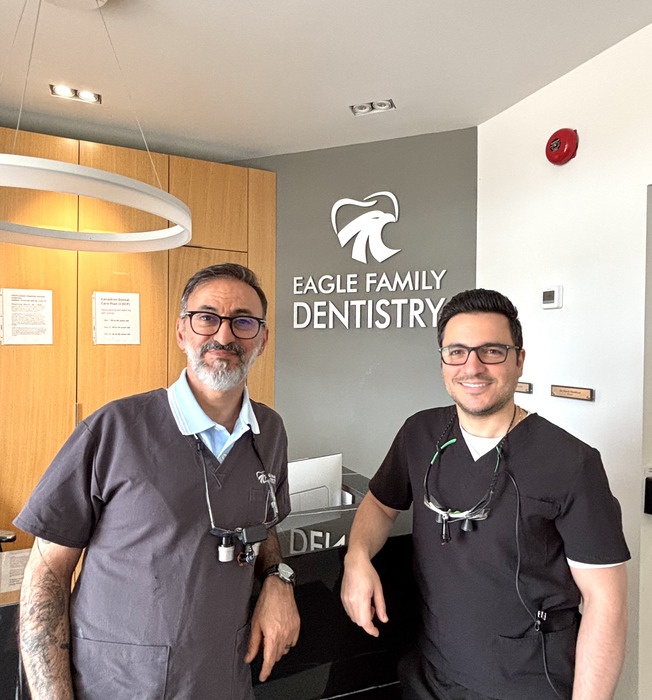
Tooth extraction assessments with X-rays, explained in plain language
Extractions performed by general dentists licensed in Canada
Honest advice — removal, monitoring, or referral, based on your imaging
Clear aftercare instructions and follow-up after every extraction
A tooth is removed only when it cannot be saved. At Eagle Family Dentistry in Newmarket, the team first assesses whether root canal treatment, a crown or another restorative option can preserve the tooth. Extraction is recommended when keeping the tooth would put the surrounding teeth, gums or bone at risk.
That includes impacted teeth, and teeth that cannot be restored after injury. Before any extraction, we take X-rays to evaluate the tooth’s roots, its angle, and the surrounding structures, and explain what the images show. The area is frozen with local anaesthetic for the procedure itself, and you will leave with written aftercare instructions and a follow-up plan. To book an assessment at our Newmarket clinic, call (905) 836-6111.


Book an assessment promptly if you notice any of the following signs. The longer an impacted or infected tooth is left, the more it can damage the tooth beside it and the surrounding bone — so once symptoms start, do not wait for them to settle on their own.
When you come in with these symptoms, we take X-rays to evaluate the tooth and the surrounding structures and determine whether extraction is the right step, or whether the problem can be managed another way. Our clinic also provides the restorative care that often surrounds tooth problems, including fillings and root canal treatment, so your options are explained as one plan rather than separate sales.
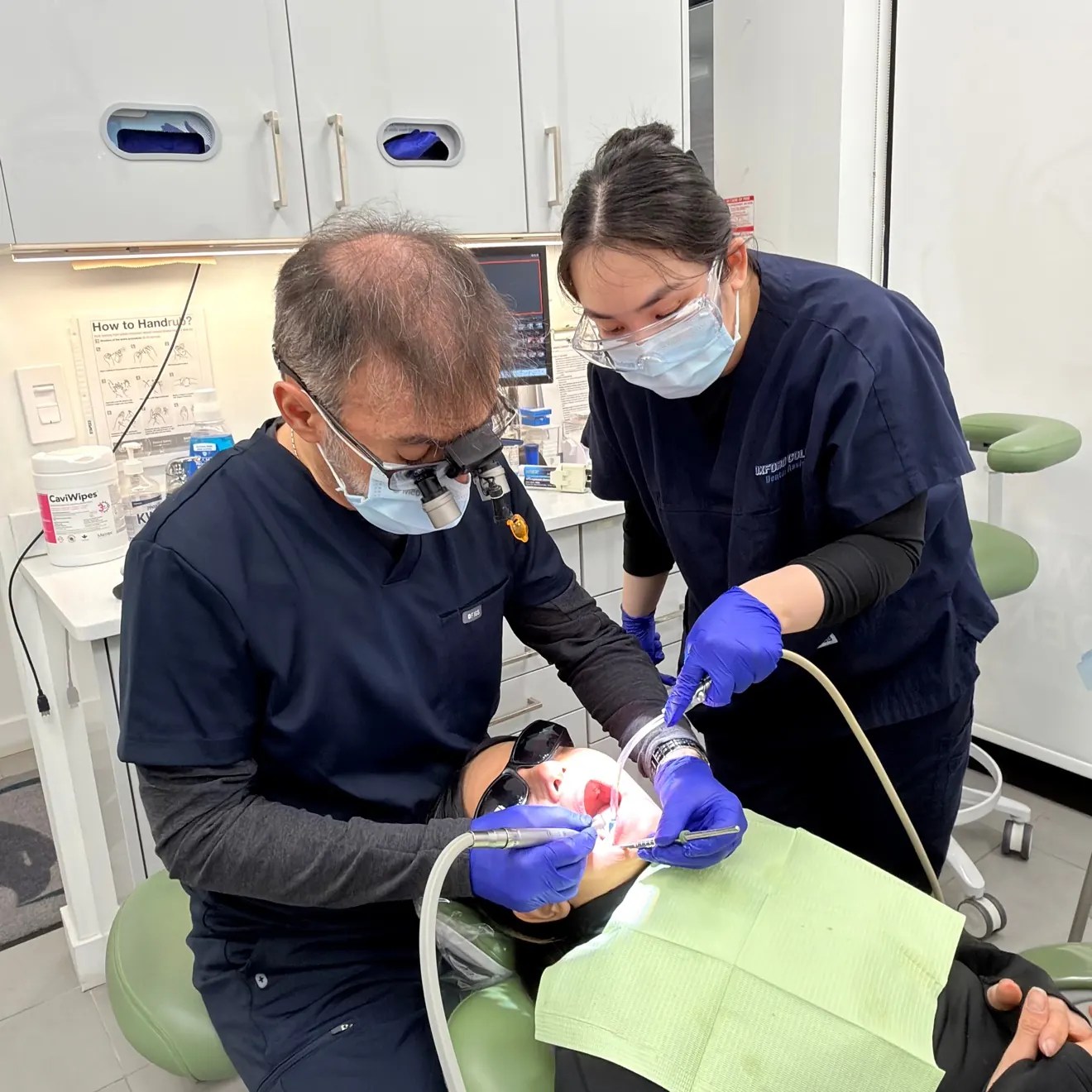
A simple extraction is used when the tooth is visible above the gumline: the tooth is loosened and removed. A surgical extraction is needed when the tooth has broken off at the gumline or is impacted, and the dentist needs to reach it through the gum or bone.
Local anaesthesia is used, and nitrous oxide is available at this clinic for patients who feel anxious.
What happens on the day, step by step:
Before your extraction, tell the team about your medications and health conditions, so the plan can be adjusted for you. During the procedure, the area is numbed and you will be talked through each step. After the extraction, protect the blood clot: eat soft foods, avoid smoking and straws, and keep the area clean.
For detailed aftercare guidance, read our guide on blood clots after tooth extraction.
Replacing a Tooth After Extraction
Replacing a missing tooth matters: neighbouring teeth can drift into the space, your bite can change, and the bone underneath can shrink over time.
Dental implants replace both the tooth root and the visible tooth, and help preserve the surrounding bone. Dental bridges span the gap using the teeth on either side. Dentures replace one or more missing teeth with a removable appliance.
For an extraction performed as part of implant treatment, see our page on extraction for implant treatment.
If you are a CDCP member, tooth extraction — including surgical removal — may be covered for eligible treatment under the plan. Any co-payment depends on your adjusted family net income, and additional charges may apply; coverage is confirmed before treatment begins. Our CDCP eligibility and coverage page explains the details for Newmarket patients.
Severe toothache, a broken tooth, swelling, or a tooth knocked loose can need same-day care. Same-day emergency appointments are held every day the clinic is open (Tuesday to Friday 10–7, Saturday 10–4); call (905) 836-6111. For more on urgent dental care, see our emergency dentist page.

?
These are the questions patients ask us most before tooth extraction in Newmarket. For recovery details in depth, see our patient guide on healing after tooth removal, linked in the answers below — and if your question is not here, call us at (905) 836-6111.
The area is numbed with local anaesthesia before the procedure, and nitrous oxide is available for anxious patients. Some soreness afterwards is normal and is managed with the aftercare instructions the team provides.
The gum usually closes over within one to two weeks, while the bone underneath continues to heal over the following weeks. Following the aftercare instructions helps the site heal on schedule.
Soft foods for the first days, gradually returning to a normal diet as comfort allows. Our aftercare guide covers foods, drinking and protecting the blood clot in detail.
Dry socket is when the blood clot in the socket is lost too early, exposing the bone. Avoid smoking, straws and vigorous rinsing in the first days, and follow the instructions given at your visit.
In most cases yes: neighbouring teeth can drift into the space and the bone can shrink. The team will discuss implant, bridge and denture options and the timing that fits your situation.
Same-day emergency appointments are held every day the clinic is open (Tuesday to Friday 10–7, Saturday 10–4). Call (905) 836-6111 and the team will confirm the earliest available time.
Need More Information?
Explore Our Diverse Dental Services


