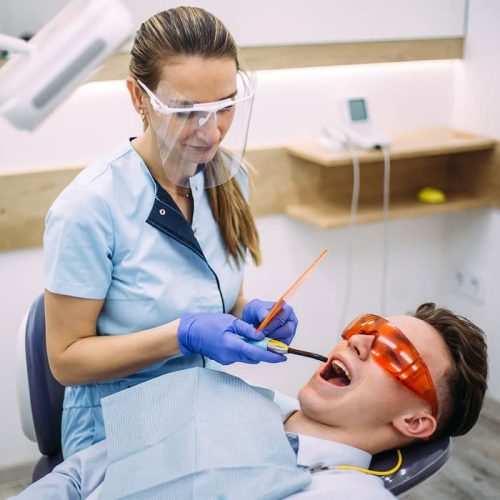
In case you’re in pain or dealing with a dental accident, our emergency dentist Newmarket provides urgent dental care with expertise. We offer walk-in services for immediate assistance, ensuring efficient and comprehensive treatment for all dental emergencies. Trust us for prompt, expert care in Newmarket.
+1 (905) 836-6111
1-2 Visits - Most emergencies are resolved same day
24/7 Service - Immediate response
30-60 Minutes- Based on emergency type
1-7 Days - Depends on procedure
Minimal - With proper care
Call us

Free Consultation
Same-Day Dental Appointments
Well-Equipped Emergency Dental Clinic
Walk-In Services

Welcoming Environment
In case you’re in pain or dealing with a dental accident, our emergency dentist Newmarket provides urgent dental care with expertise. We offer walk-in services for immediate assistance, ensuring efficient and comprehensive treatment for all dental emergencies. Trust us for prompt, expert care in Newmarket.
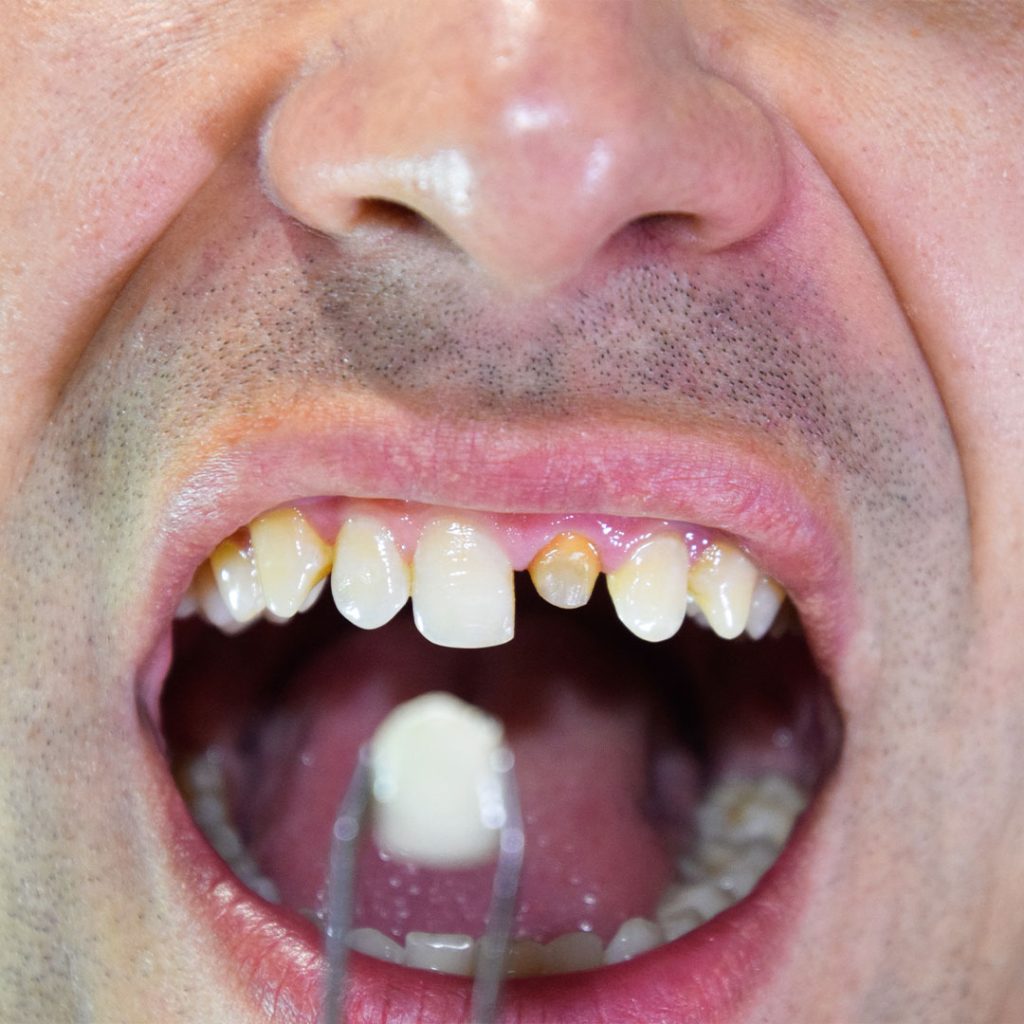
In case your tooth is broken, do not hesitate to visit us at Eagle Family and let our walk-in dentist Newmarket help handle your urgent situation. They will carefully repair the tooth, or replace it with different materials. Also, you may need a root canal subsequently.
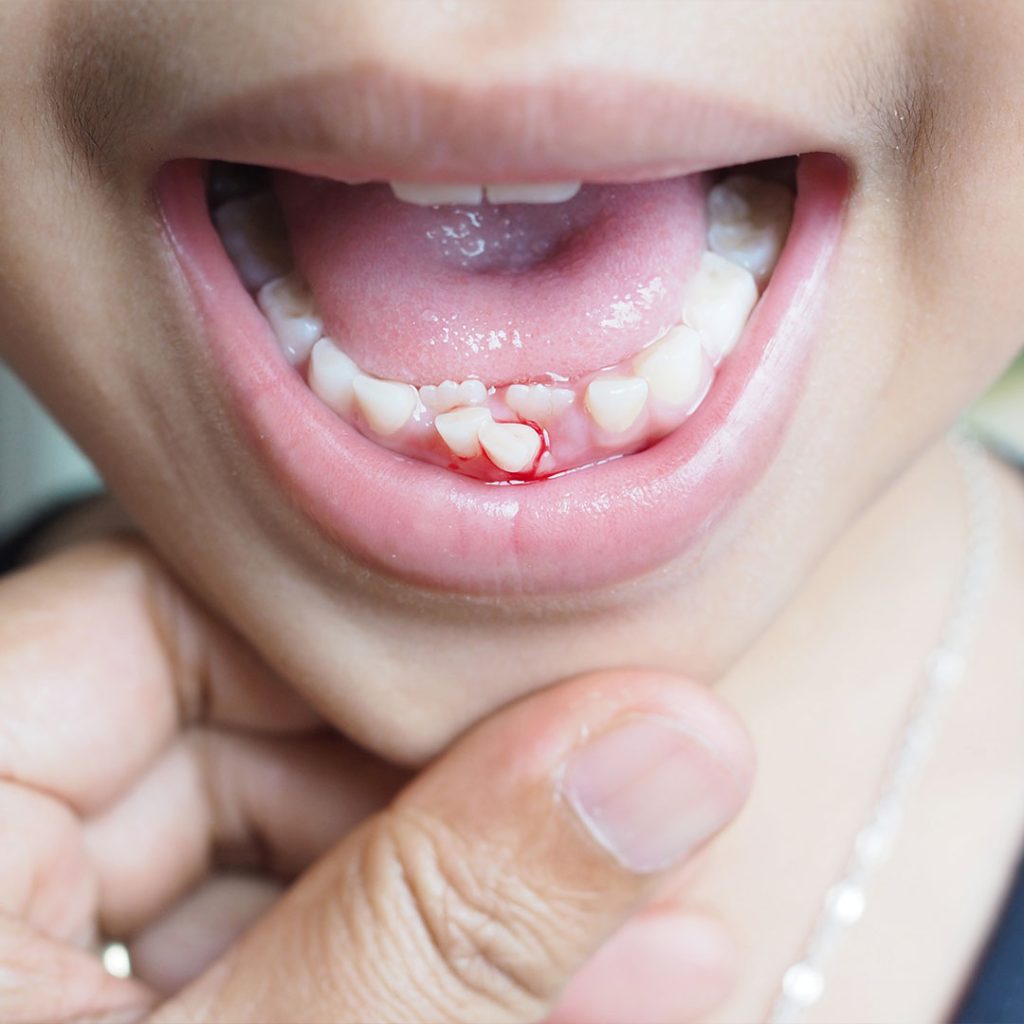
Our emergency dental clinic specializes in treating knocked-out teeth and can often save the tooth if you act swiftly. Additionally, our walk-in dentist provides expert guidance to increase your chances of successful reimplantation. In some cases, an emergency tooth extraction may be necessary.
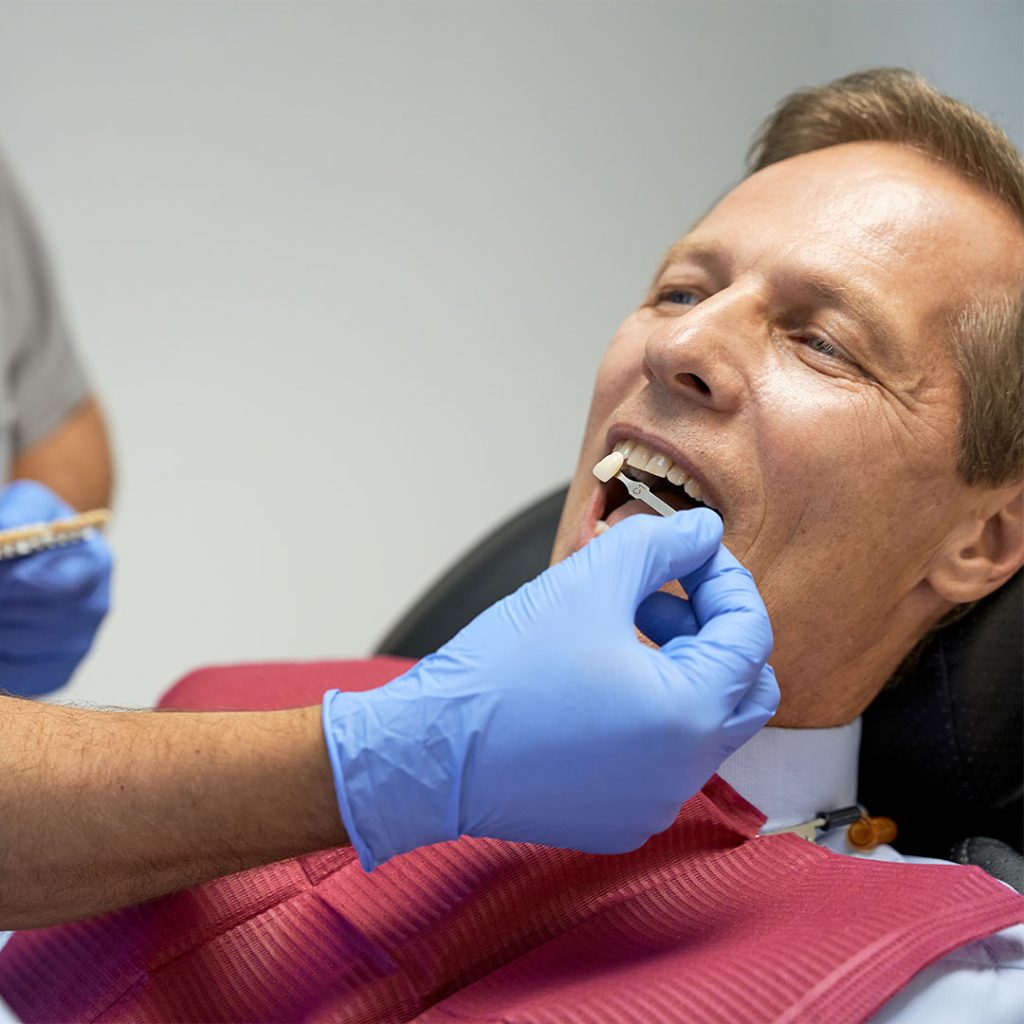
Losing a filling or crown can disrupt your routine with inconvenience and pain. Fortunately, our emergency dental clinic equips us to promptly handle lost fillings or crowns. First, our walk in dentist assesses the situation and alleviates any discomfort. Then, we provide a temporary or permanent solution on the same day.
Persistent bleeding gums often signal underlying dental issues like gum disease or improper brushing techniques. When you visit us here, our emergency dental clinic team thoroughly examines your mouth to identify the root cause. Next, we provide appropriate treatment, whether professional cleaning, medication, or a specialist referral.
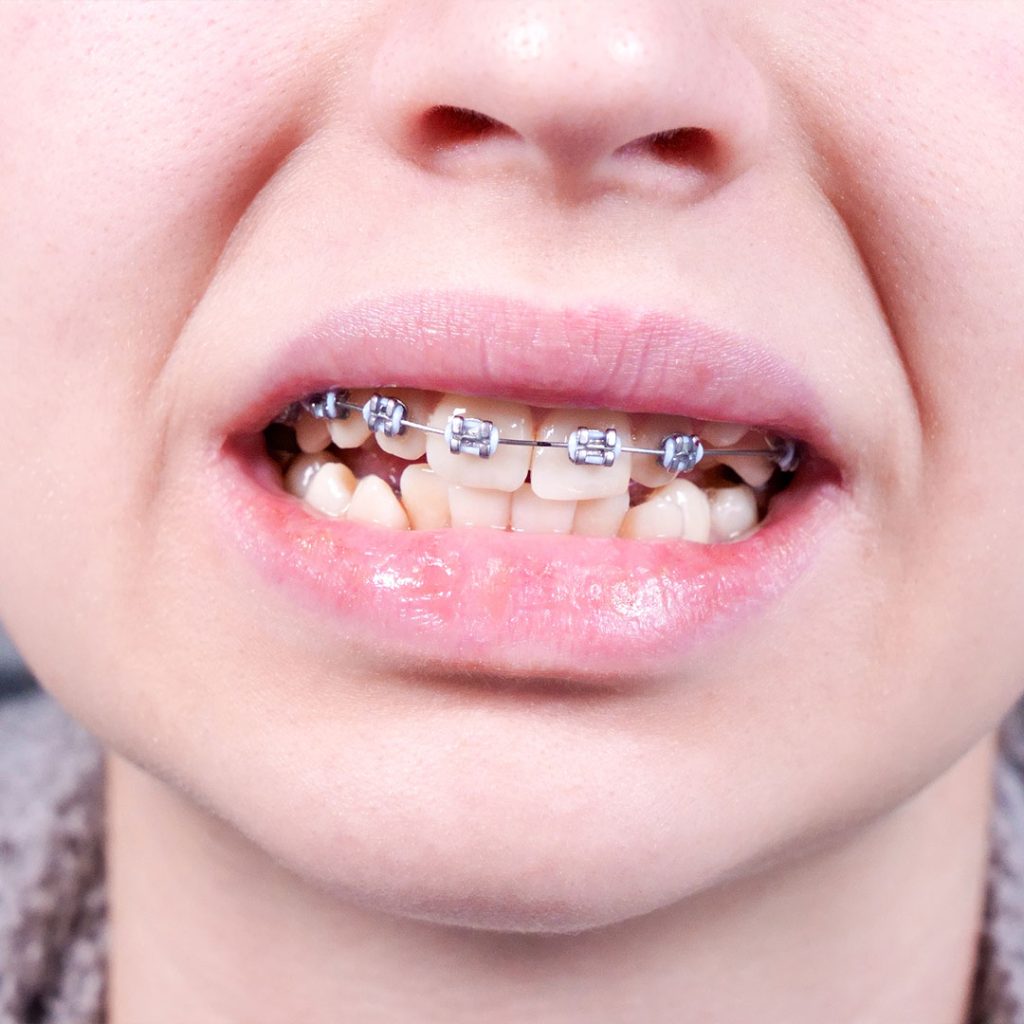
Breaking orthodontic devices may happen to anyone. When it happens to you, it’s important to visit a professional and address the problem as soon as possible. Here, our team will repair or replace the device and treat other areas if damaged.
Response time:
The cost of emergency dental care depends on various factors, such as the complexity of the problem and the patient’s overall dental condition. We suggest scheduling a consultation to go over all potential expenses and any extra charges that may occur. Our team is always ready to help you determine your service’s cost and guide you on how to benefit from your insurance.
Call us at (905) 836-6111 for your free consultation session!



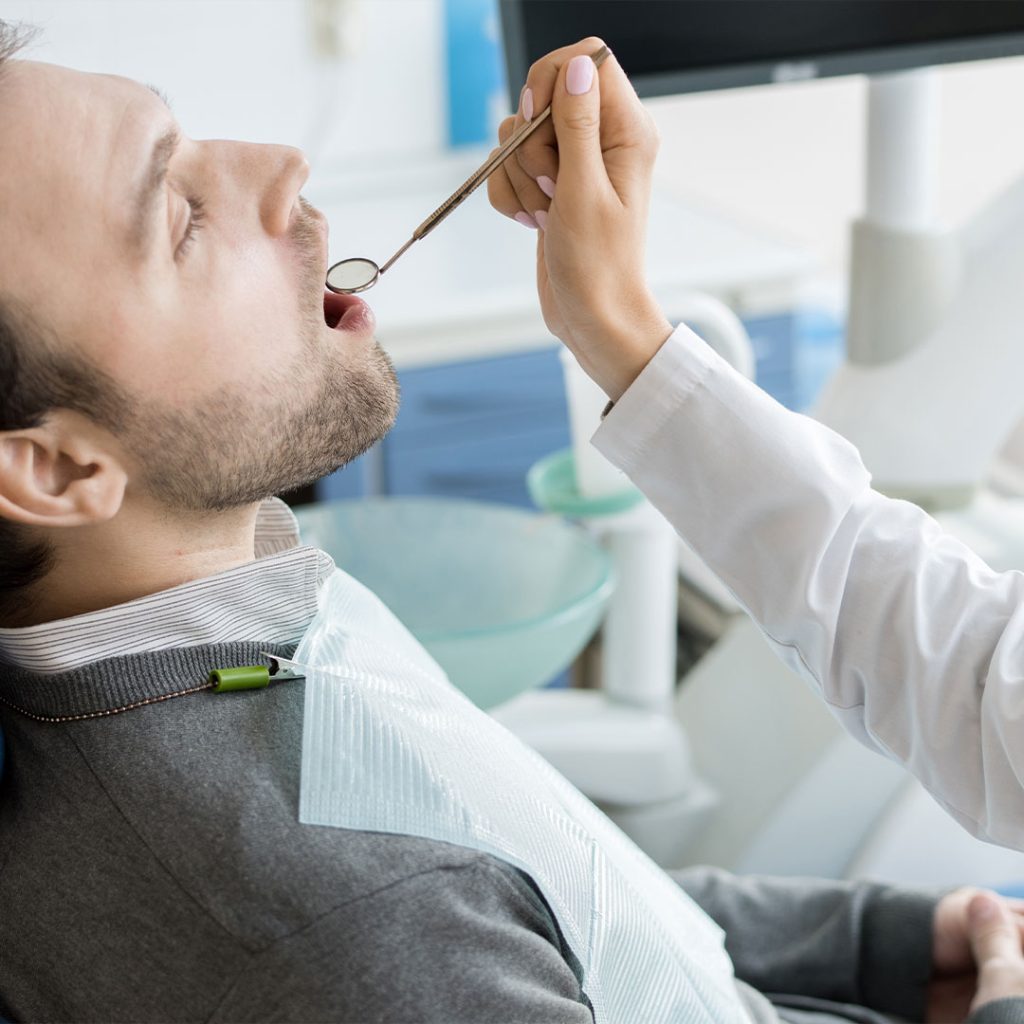
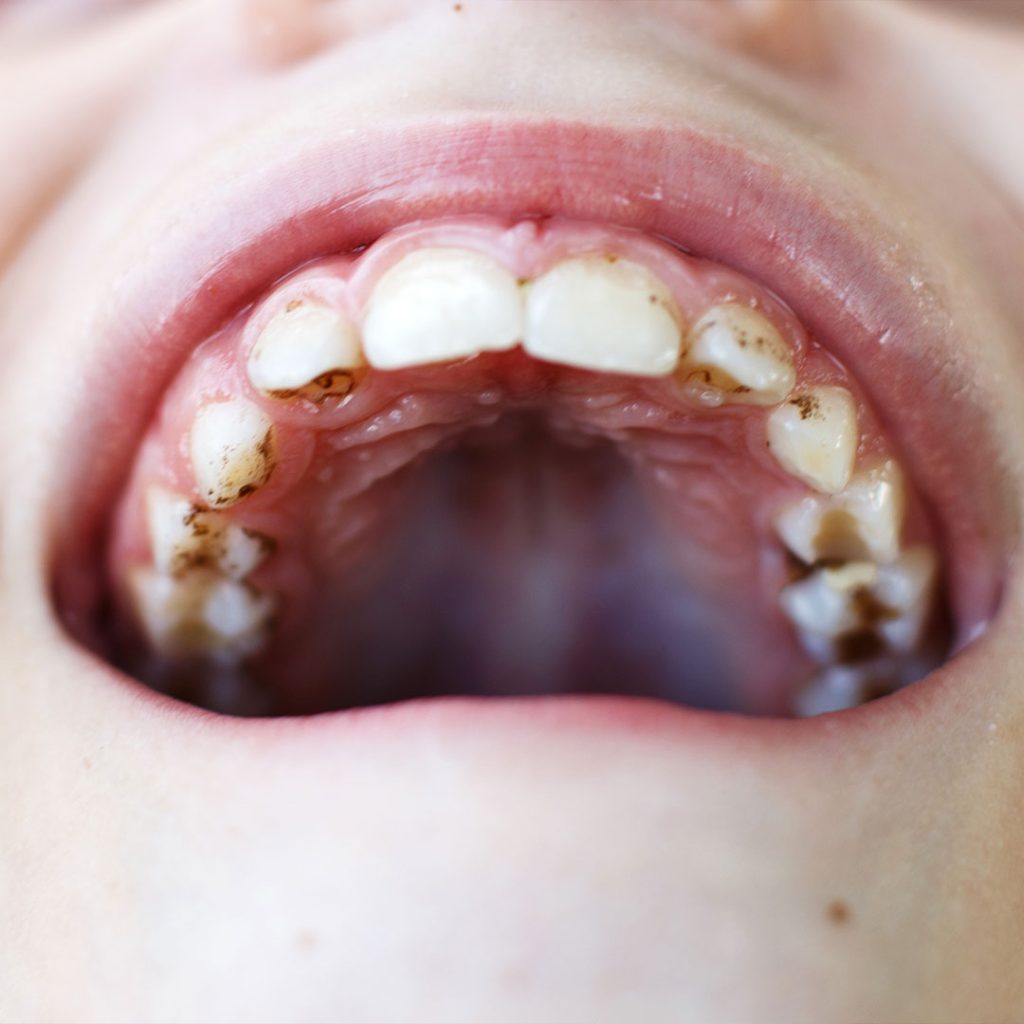
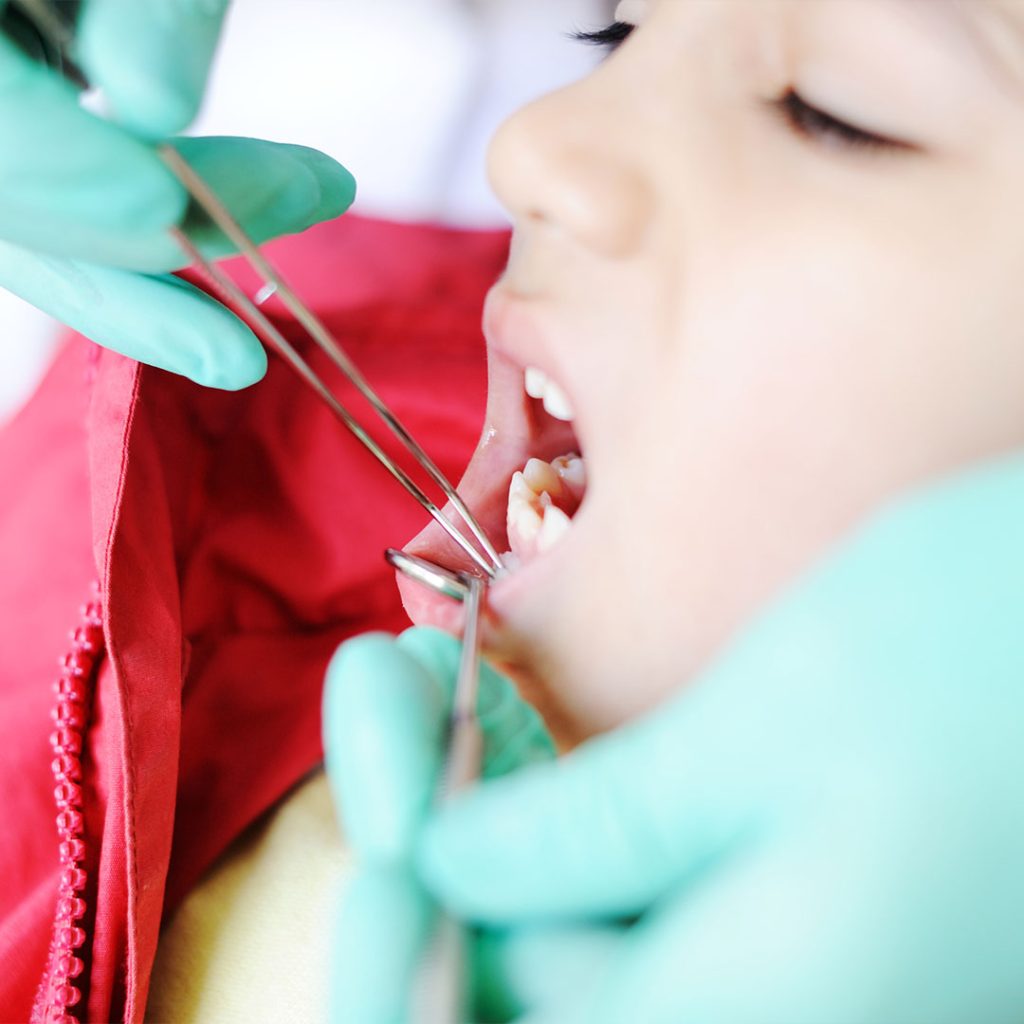
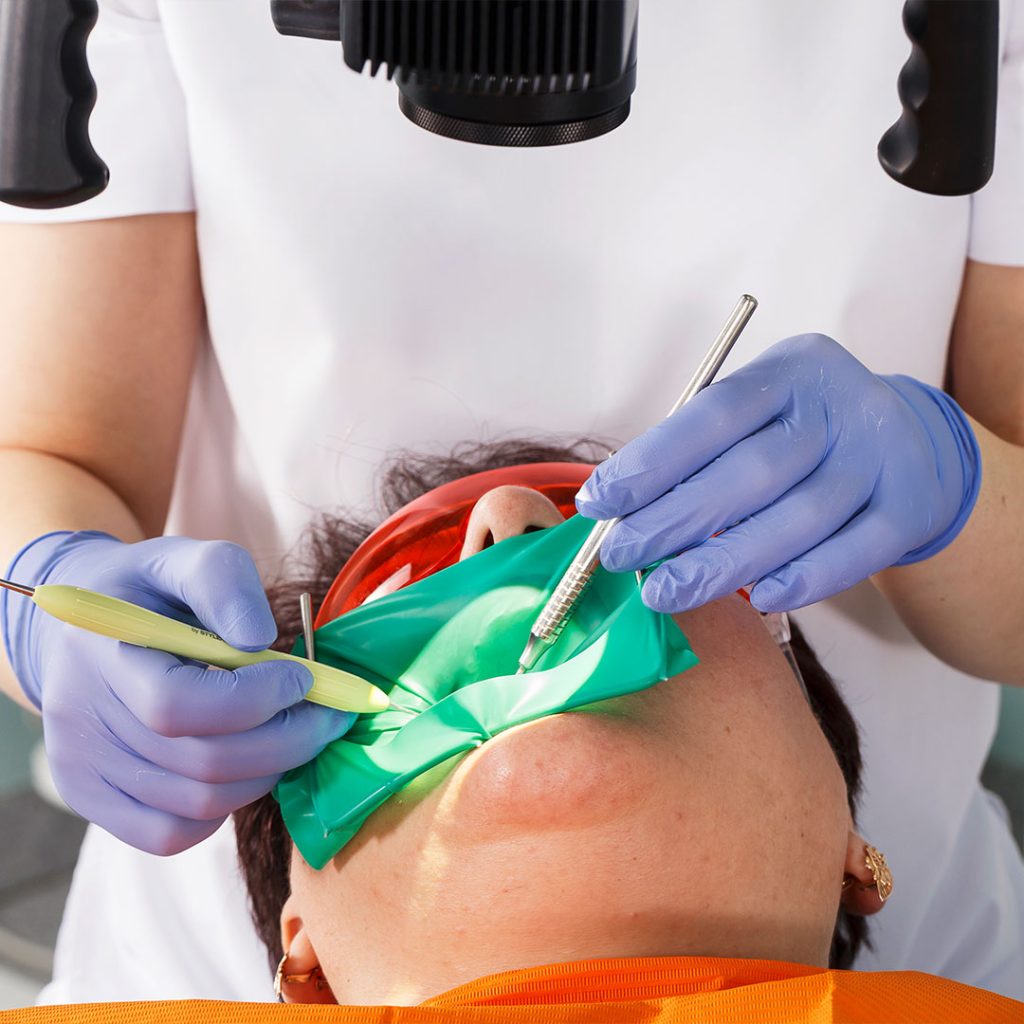
Visit us at Unit 11, 340 Eagle St West, Newmarket, ON, L3Y 7M9 to book your emergency dentist appointment.
Response time:
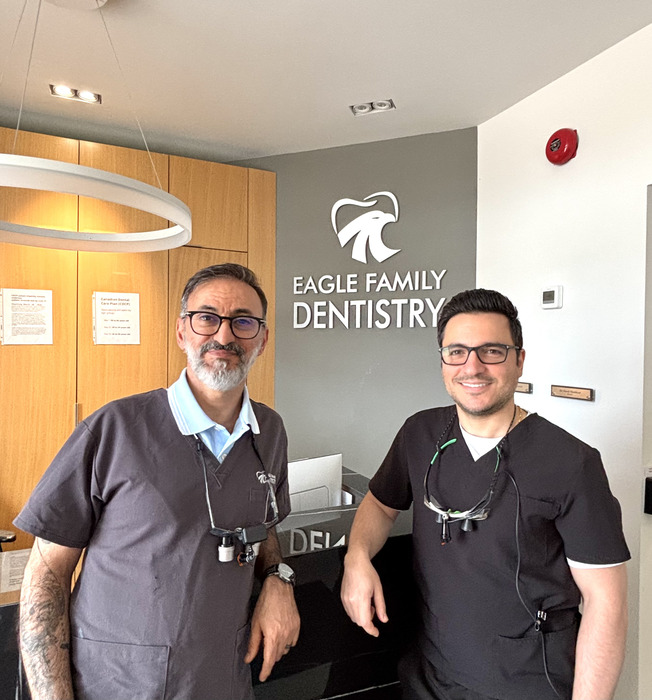
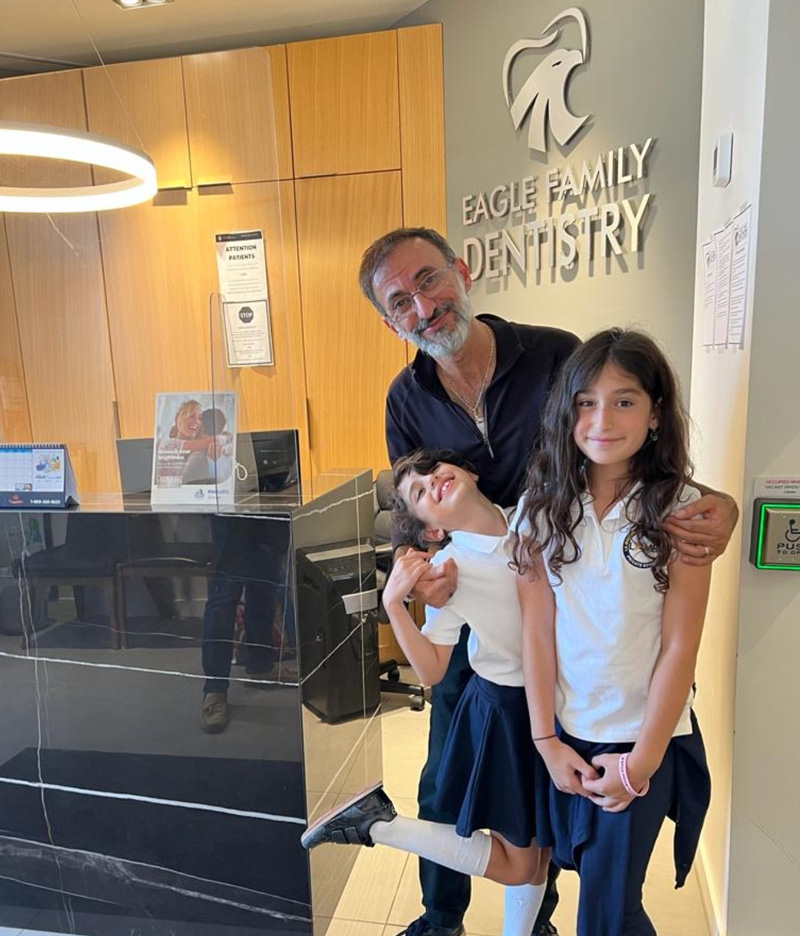
Dr. Saeed Meshksar and Dr. Meysam Jahanmehr are dedicated dentists who prioritize quality dental care and patient well-being. Dr. Meshksar, the principal dentist at the clinic, focuses on preventing dental issues and creating a friendly and positive experience for his patients. Dr. Jahanmehr, originally from the UK and raised in Iran, completed his dental education in Armenia and Tehran before moving to Canada in 2011. He has been practicing in the GTA since 2014, emphasizing trust, and respect, and positively impacting his patients’ lives. Both doctors are active members of several professional dental associations.
Failing to address a dental emergency can lead to serious consequences.
Untreated gum disease may result in infections, persistent bad breath, and an unpleasant taste in your mouth.
Ignoring tooth loss can weaken the jawbone, increasing pain and discomfort.
A chipped tooth could cause further gum damage and might make the tooth difficult or impossible to repair.
Delaying treatment can worsen these issues, leading to more complex procedures, health complications, reduced quality of life, and higher costs.
Prompt attention to dental emergencies is essential to avoid these negative outcomes.
No matter your dental issue, our emergency dental experts in Newmarket, at Eagle Family Dentistry, provide effective pain relief and long-term solutions to keep your problem at bay. We try our best to meet your emergency dental needs through same-day and after-hours appointments as much as possible.
Your teeth and gum health is paramount to us, and our team prioritizes emergency patients for urgent treatment. Whether you require urgent dental care in Newmarket or aim to beautify your smile through cosmetic dentistry treatments, contact our office right away.
As discussed earlier, urgent dental problems may occur in different forms and severity. In some cases, you can wait a few days to receive your treatments, while the most severe conditions need instant treatments. Bear in mind if you suffer from extreme toothaches associated with continued bleeding. Our Newmarket emergency dentists are equipped with top-of-the-line dentistry tools to reduce your pain and control dental bleeding in the blink of an eye.
Problems like minor tooth sensitivity, a small chip in a tooth with no pain, a slightly loose filling, or mild gum irritation can usually wait for a regular dental appointment and don’t require immediate attention.
Take over-the-counter pain relievers like ibuprofen or acetaminophen to help manage the pain. Applying a cold compress to the outside of your cheek can also help numb the area and reduce swelling. However, it’s important to see a dentist as soon as possible to address the underlying cause.
The appointment usually lasts from 30 to 60 minutes, depending on your conditions. However, we try to shorten the time of your emergency sessions to treat your dental issue as quickly as possible.
The clinic is 2 minutes away from the bus stop which makes it accessible for those who prefer public transportation.
We Are Here:
L3Y
L3X
L4G
L3Z
L0G